

Choosing a GPS tracker for your dog requires careful consideration of key factors. First, assess tracking accuracy, which typically ranges from 5 to 10 meters, influenced by surroundings. Next, evaluate battery life—look for devices offering 14-30 days of operation. Consider subscription costs, typically between $8 and $20 monthly. Additionally, prioritize features like geofencing and durability, while selecting a comfortable, lightweight design. If you’re interested, there are more details on evaluating different options effectively.
Key Takeaways
- Assess GPS accuracy and reliability by considering factors like urban interference and precision range for your dog’s typical environment.
- Check the battery life of the tracker, seeking options that offer at least 14-30 days of performance to minimize charging frequency.
- Evaluate subscription costs, balancing basic and premium features, and consider longer commitments for potential savings.
- Prioritize essential features like real-time tracking, geofencing, and durability to ensure effectiveness in various environments.
- Choose a lightweight, comfortable design appropriate for your dog’s size to prevent strain during activities and ensure a snug fit.
Understanding GPS Tracking Accuracy and Reliability
You may be interested

When considering a GPS tracker for your dog, it’s crucial to understand the factors influencing tracking accuracy and reliability. GPS technology relies on signals from numerous satellites. However, environmental elements play a significant role in determining accuracy.
- Signal Interference: Buildings, trees, and wind can obstruct signals, leading to accuracy limitations.
- Accuracy Metrics: Typical location precision ranges from 5 to 10 meters but varies in urban areas or dense foliage.
Additionally, devices often combine GPS with cellular or Wi-Fi triangulation to enhance reliability indoors. Consider that while live tracking updates every few seconds can give you a near-real-time view, tracking in specific environments may not be as precise. Understanding these factors is critical for selecting the right tracker for your furry friend. Furthermore, many trackers offer health monitoring features that can alert you to potential issues based on activity levels.
Evaluating Battery Life and Power Management

Evaluating battery life and power management is essential for ensuring the GPS tracker you choose for your dog will meet your needs. Consider the following factors:
- Battery Longevity: Models range from 8 hours to 60 days per charge. Trackers like the Tractive XL offer up to 30 days, which is ideal for extended adventures.
- Power Efficiency: Continuous tracking drains the battery faster, so look for devices with power-saving features, such as reducing GPS activity in safe zones.
- Charging Methods: Most devices utilize magnetic chargers, with options for USB charging or interchangeable batteries, ensuring you’re prepared for various situations.
- Size Considerations: Larger batteries mean longer life but may impact comfort. Balance battery capacity with your dog’s size and activity level for best wearability.
Recommended Products

Premium GPS Tracker — The LandAirSea 54 GPS tracker provides accurate global location, real-time alerts, and geofencing. Easily attaches to vehicles, ATVs, golf carts, or other critical assets.

Global Real-Time GPS Tracking — Ultra-precise GPS tracker for pets, dogs and cats with unlimited range; live track location worldwide via iPhone or Android devices.

✅【No Subscription No Monthly Fee No SIM】This GPS tracker requires No monthly fees, No SIM card, and No subscription. It’s ready to use right out of the box with no complicated setup—it’s incredibly convenient! Simply connect it via the mobile app to track its location at any time. This is an affordable GPS tracking device There are no charges for long-term use.
Considering Subscription and Cost Implications
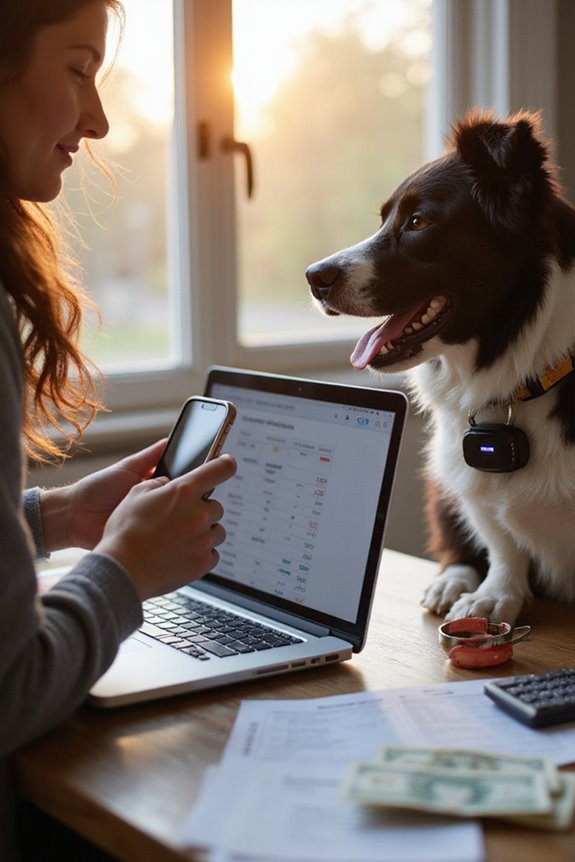
Choosing a GPS tracker for your dog involves more than just the device’s features; it also requires careful consideration of subscription and cost implications. When conducting a cost analysis, you’ll find various subscription models that can range from $8 to $20 monthly. Many plans offer discounts for longer commitments, so consider these options for potential savings.
Here are a few key factors to weigh:
- Subscription Length: Longer terms typically mean reduced monthly fees.
- Basic vs. Premium Features: Confirm the features align with your needs, as premium packages can provide additional benefits.
- No-Subscription Options: While these might save you money upfront, they often lack the reliability and accuracy of subscription-based trackers.
Ultimately, understanding these cost implications can aid in making a well-informed decision.
Recommended Products

No Monthly Fee & Dual System : Pet GPS tracker is compatible with Android and iOS devices no subscription fees! You can quickly pair and manage the tracker via the Find Hub APP without any third-party tools or complicated operations no. (Compatible with Android 9.0+ and iOS 12.0+ systems only)
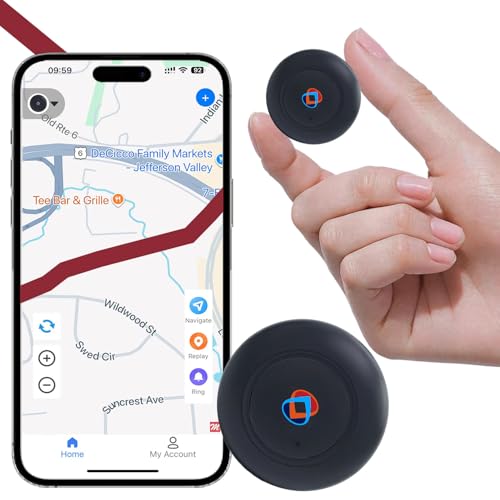
1️⃣【No Subscription No Monthly Fee No SIM】This GPS tracker requires no subscription, no monthly fee and no SIM card, working with a free app on Android & iOS for real-time GPS location updates; a cost-effective GPS tracker for vehicles, cars, motorcycles, pets, dogs, elderly items, luggage and valuables, suitable for daily tracking and travel scenarios.

1️⃣【No Subscription No Monthly Fee No SIM】GPS tracker for vehicles cars trucks and motorcycles with no subscription and no monthly fee, no SIM card required and no contract; connect with the app (Android & iOS) to view location updates anytime, a cost-effective car GPS tracker and vehicle tracking device for daily use and travel.
Exploring Features and Functionalities
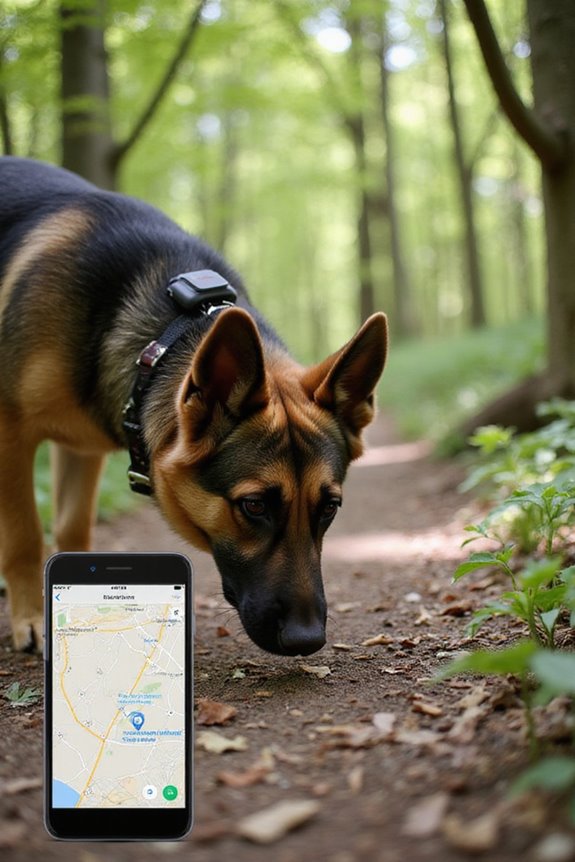
Understanding the various features and functionalities of GPS trackers can greatly enhance your decision-making process. When exploring feature comparisons and functionality enhancements, consider the following:
- Real-Time Tracking: Look for devices with minimal latency and high update frequencies to guarantee swift location results.
- Geofencing: Trackers that allow custom virtual boundaries can protect your dog, sending alerts if they venture outside.
- Battery Life: Prioritize models with longer battery performance—ideally 14-30 days—so you’re charging less often.
- Durability: Choose waterproof and rugged designs to endure various environments and dog activities. Additionally, consider collars with reflective stitching to enhance visibility during nighttime outings.
Evaluating these aspects can help you select a tracker that safeguards your pet’s well-being while also suits your lifestyle. Always assess how features align with your specific needs before committing.
Recommended Products

【Compatibility】Only compatible with Apple Airtag. (Airtag is NOT included)
![MOLOSLEEVE [4-Pack] Waterproof Case for AirTag 2 (2nd Gen) & 1st, Upgrade Shockproof Holder Keychain for Air Tag, Full Body Protective Cover for Keys, Luggage, Dog Collar, Black/White/Rose Red/Blue](https://m.media-amazon.com/images/I/412QJT7c0ZL._SL500_.jpg)
Premium material: The protective case is made of PC hard shell material. It features a 360° full coverage design, effectively preventing minor impacts, scratches, and water resistant

Premium material: The protective case is made of PC hard shell material. It features a 360° full coverage design, effectively preventing minor impacts, scratches, and water resistant
Assessing Size, Weight, and Comfort
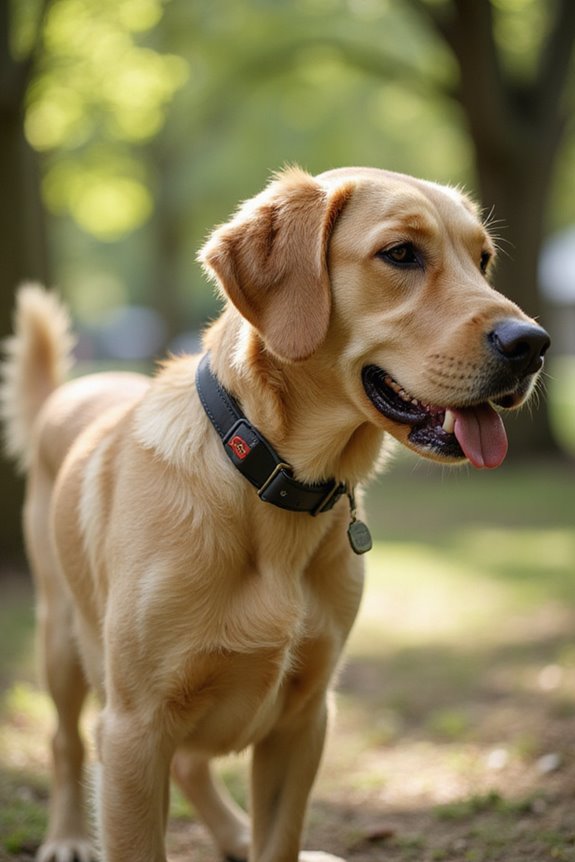
When choosing a GPS tracker for your dog, size, weight, and comfort are critical factors that can greatly influence your dog’s experience and the device’s effectiveness.
- Size Suitability: Select a tracker appropriate for your dog’s breed; compact devices like Tractive are ideal for small breeds, whereas larger models suit bigger dogs.
- Weight Distribution: Aim for lightweight options—under 50 grams for small dogs—to minimize strain during activities. Features like rubber attachments enhance weight distribution, reducing irritation and slippage.
- Comfort: Look for soft, adjustable collars with aerodynamic designs to prevent chafing and guarantee ease of movement. Proper weight distribution across the collar area prevents discomfort, promoting a positive experience for your dog. Additionally, consider durability features to ensure the collar withstands various activities and weather conditions.
Prioritizing these factors leads to a happier, healthier pet.
Recommended Products

Super Lightweight & Comfortable: Compatible with Apple AirTag (1st & 2nd Generation). The AirTag dog collar holder weighs only 8.3g and is made from durable composite silicone, balancing comfort and toughness. Your dog or cat won’t feel extra weight, allowing them to move freely during daily activities.

PET FRIENDLY MATERIAL: The soft and flexible silicone AirTag holder will make your pet feel like wearing nothing.

Track and send training commands up to 9 miles with updates as frequent as 2.5 seconds when used with a compatible handheld (sold separately)
Analyzing Use Case Suitability
Selecting the right GPS tracker for your dog goes beyond just considering size and comfort; it also involves analyzing how the device fits into your dog’s lifestyle and the environments in which they typically roam.
To guarantee effectiveness, consider these factors:
- Activity Preferences: If your dog loves outdoor adventures, opt for rugged, waterproof trackers. For urban pets, select discreet devices with quick updates.
- Environment Considerations: Understand the signal strength and battery life in your area. Trackers with LTE connectivity excel in varied locations, while those relying solely on GPS have limited scope.
- Versatility: Some trackers serve multiple purposes, such as locating vehicles. This functionality can enrich your experience across different activities.
Comparing Tracking Devices for Multi-Dog Households
In multi-dog households, finding a GPS tracker that accommodates multiple pets can be challenging, especially when evaluating diverse breeds and sizes. When comparing tracking device brands, I suggest looking for those that provide real-time updates, like Tractive, which refreshes location every 2-3 seconds.
Key features to evaluate include:
- Battery Life: Trackers with longer battery durations, such as up to 60 days, are preferable to manage multiple devices efficiently.
- Size and Comfort: Select devices tailored for different dog sizes; bulky options may irritate smaller breeds.
- App Usability: Choose apps that seamlessly manage multiple dogs, offering features like geo-fencing and alerts.
These evaluations can help mitigate multi-dog challenges, enhancing your peace of mind while tracking your furry family.
Recommended Products
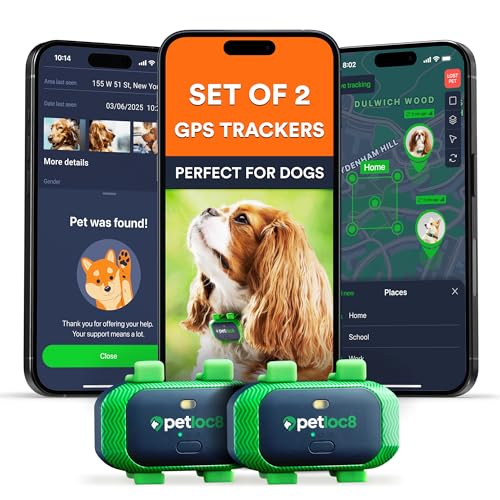
This Device Requires a Subscription. To start using it, simply select the tariff plan that fits your needs. Check the product gallery to see the tariff plans.

LONG-BATTERY VEHICLE TRACKING – Built for cars, trailers, fleets, equipment, boats, and motorcycles, Tracki’s trailer GPS tracker uses a 10,000mAh battery for 2 to 7 months active at 1–5 minute updates or up to 12 months in sleep mode.

【No Monthly Fees for iOS Users】This pet GPS tracker is perfectly compatible with iOS devices and works seamlessly with Apple Find My APP—no extra third-party apps needed!Works with the Find My app on iPhone and iPad, with no monthly fee, no SIM card, and no extra subscription required. Designed for iOS users only and not compatible with Android devices.
Reading User Reviews and Feedback
How can user reviews guide your decision-making process when selecting a GPS tracker for your dog? Engaging with user experiences is essential, as they offer insights into the reliability and functionality of various devices. Here are some key considerations:
- Review Credibility: Look for reviews on trusted platforms, focusing on detailed feedback to gauge device performance.
- Consistent Tracking Accuracy: Devices like Pawfit 3 and Whistle Go Explore 2.0 are frequently praised for reliable tracking.
- App Usability: Check if users appreciate the app’s features, such as real-time location and health monitoring.
- Comfort and Size: Reviews often emphasize the significance of lightweight designs for smaller breeds.
- Firmware Updates: Keep an eye on feedback about software updates affecting performance.
These elements collectively inform a balanced purchasing decision.
Frequently Asked Questions
How Do I Set up a GPS Tracker for My Dog?
They say a stitch in time saves nine, so I followed the setup instructions for my GPS tracker, ensuring I activated all features. Now, I feel secure knowing my dog’s safe and sound!
Can I Track My Dog Without a Smartphone?
I’ve often wondered if I can track my dog without a smartphone. Yes, GPS alternatives, like loggers or Bluetooth trackers, offer unique tracking methods, but they have limitations. It’s important to reflect on your needs before choosing.
What Happens if My Dog’S GPS Tracker Gets Wet?
Imagine a stormy day; my dog’s GPS tracker braves the rain with its waterproof features. Depending on its durability, it’ll keep working seamlessly, ensuring safety even when the weather turns wild. You can trust it.
How Often Should I Charge My Dog’S GPS Tracker?
I find that my dog’s GPS tracker needs charging every few days, depending on its battery life and how often I use it. Adjusting settings can help reduce that charging frequency, too.
Are GPS Trackers Safe for Dogs to Wear?
Like a cozy blanket, GPS tracker safety wraps my pup in reassurance. I guarantee dog collar compatibility while choosing trackers, knowing they’re designed with my furry friend’s well-being in mind. Safety and comfort harmonize perfectly.