
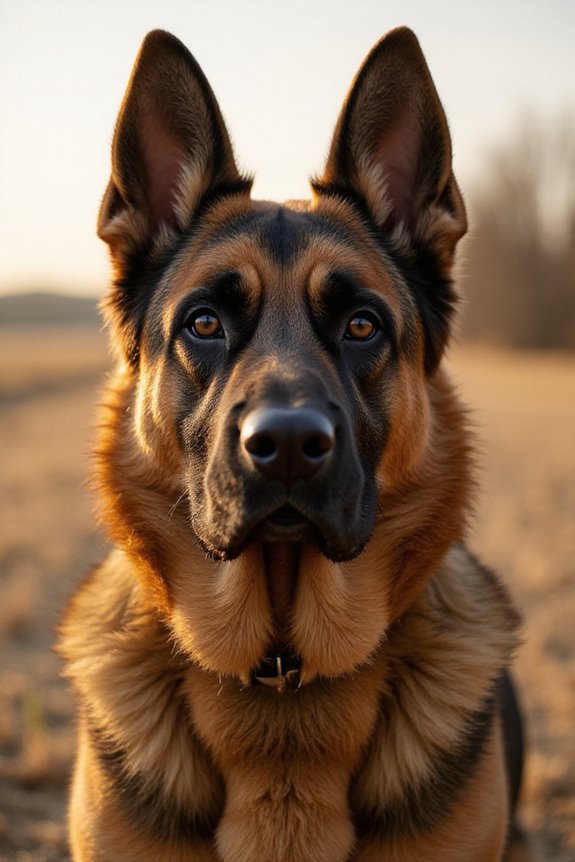

To effectively cover protection dog training, consider guides that emphasize foundational elements. Key components include:
- Basic Obedience Training: Commands like sit, stay, and come.
- Socialization: Gradual exposure to various stimuli.
- Specialized Techniques: Barking alerts and controlled patrolling.
- Controlled Aggression: Teach impulse control and bite inhibition.
These guides provide a detailed framework, ensuring a well-rounded approach to training. Exploring these areas will enhance your understanding of creating a reliable, vigilant canine partner.
Key Takeaways
- Look for guides that discuss the importance of basic obedience training as a foundation for protection dog training.
- Seek materials that explain specialized techniques for teaching alerts and patrolling behaviors.
- Find resources detailing controlled aggression management and impulse control exercises for protection training.
- Explore guides emphasizing socialization practices to promote calm behavior around potential threats.
- Check for scenario-based training guides that simulate real-life situations for practical protection responses.
Basic Obedience Training for Protection Dogs
Basic obedience training serves as the cornerstone for developing effective protection dogs, laying the groundwork for advanced skills and reliable behavior in various situations.
In this foundational phase, you’ll teach essential commands such as sit, stay, down, come, and heel. Consistency in command responses is critical; aim for 100% compliance from your dog. Incorporate obedience reinforcement through regular practice, ensuring your dog associates these commands with positive outcomes.
Training should include leash and off-leash heeling to maintain control, along with the command “leave it” to manage impulsive behaviors. Establishing these commands not only creates clear boundaries but also prevents unnecessary aggression, enabling your dog to discern real threats in high-stress scenarios. This crucial foundation enhances your dog’s confidence and fosters a strong handler-dog bond.
Recommended Products

Ergonomic & Ear-Friendly - The SportDOG Roy Gonia Special Whistle features a comfortable, easy-to-blow design that protects handler's ears during everyday use and obedience whistle training
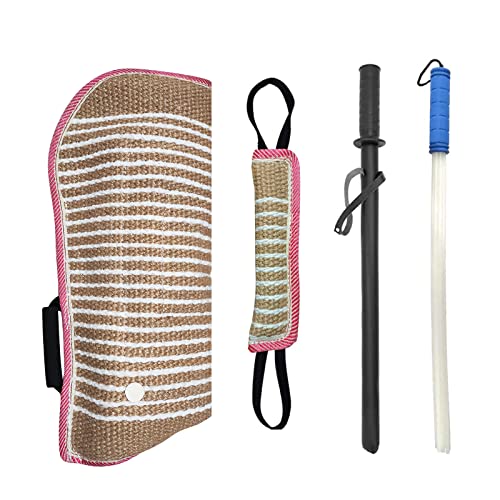
【For Training Dogs】If you're looking to train your dog in obedience or protection work, The dog bite sleeve is a reliable tool.It allows you to teach your dog how to bite and grip properly without risking injury to yourself or others.The dog bite sleeve is to help dogs develop bite strength and control.The dog bite sleeve training set professionals and beginners can use, can be trained under the condition of without harming the dog.

Socialization and Behavioral Foundation
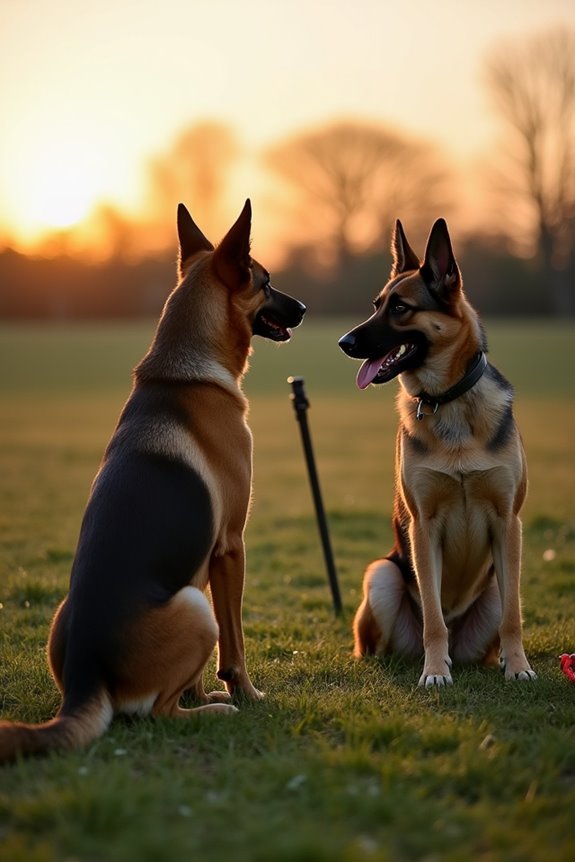
Socialization forms a critical aspect of developing a well-rounded protection dog, as it not only helps build confidence but also fosters adaptability in various environments. Effective socialization techniques involve gradual exposure to new people, animals, and surroundings. For instance, beginning with familiar individuals before introducing strangers develops trust.
A thorough behavioral assessment is essential to identify your dog’s specific needs and adjust the pace of socialization accordingly.
Key goals of socialization include:
- Promoting calm behavior around unfamiliar stimuli
- Reducing fear-induced reactions
- Enhancing threat recognition
Specialized Guard Dog Training Techniques
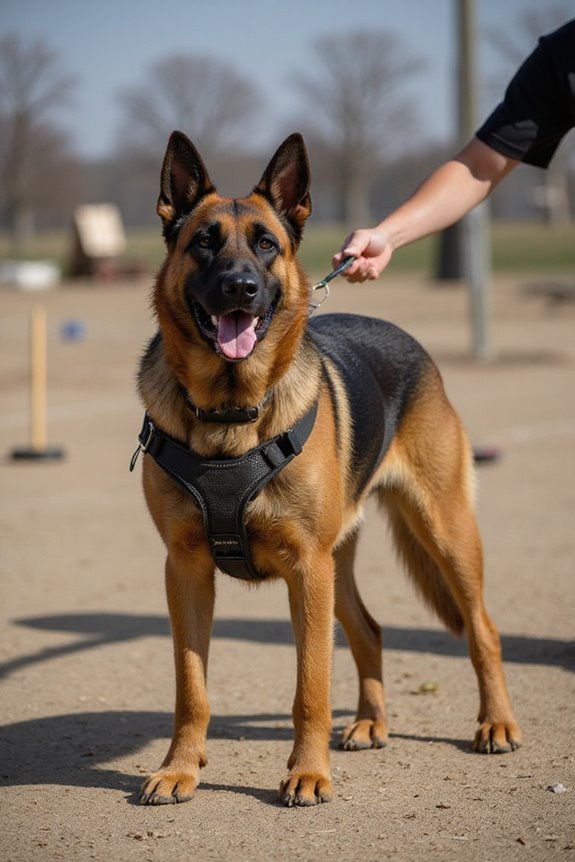
Building on a well-structured foundation of socialization and behavior, specialized guard dog training techniques further enhance a dog’s capability to perform protective duties.
- Barking Alerts: I teach my dogs to bark on command, alerting me to potential threats while reinforcing this behavior with rewards.
- Patrolling: Dogs learn to patrol specified areas using leash-guided routines, gradually increasing distractions to sharpen their awareness.
- Handler Protection: My training focuses on developing a strong bond with the dog, ensuring reliable responses to commands for handler protection.
- Impulse Control: I prioritize training commands like “leave it” to manage reactions to visitors, encouraging discipline without aggression.
These techniques create a vigilant, responsive canine partner, dedicated to their protective role.
Recommended Products

Hard-wearing Material: Our durable dog training wedge is made of high quality jute and linen material, design well constructed, which come with double stitching. It can not only withstand strong pulling force,but also strengthen the biting ability of the dog's teeth when you training your dog
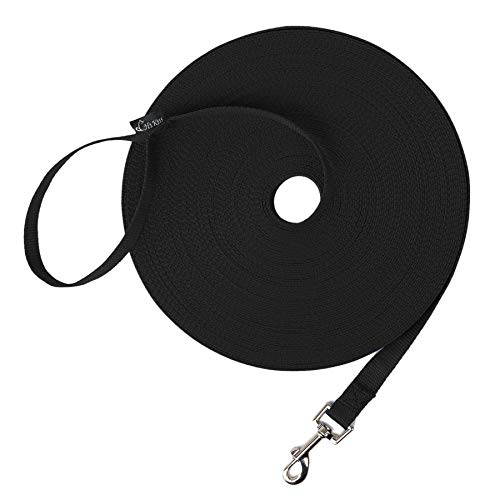
DIMENSIONS - This dog leash measures 3/4in wide by 30 feet long. Great for hiking, camping, training, hunting, backyard, beach, recall training, outdoor play with tennis balls, and swimming!

1:Adopting a high-strength nylon outer layer and a thick cotton inner layer design, it provides necessary support and anti bite protection for trainees, ensuring safety and security during high-intensity training. Its anti bite training equipment can resist the biting of vicious dogs, suitable for both professional trainers and novice trainers to use
Controlled Aggression and Bite Inhibition
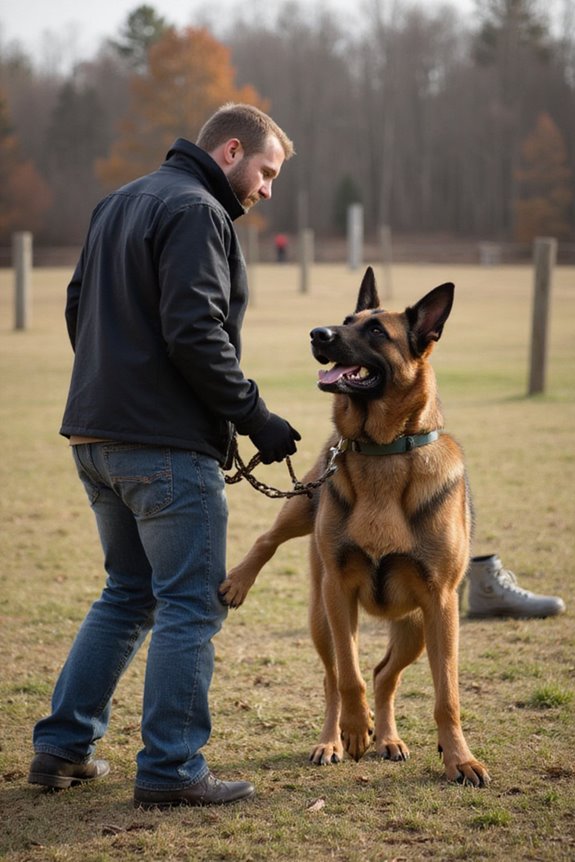
When it comes to training protection dogs, managing controlled aggression and establishing bite inhibition are essential aspects that require careful consideration. Effective training starts with impulse control, utilizing commands like “Leave it” to help redirect the dog’s focus before they react to aggression cues. I often incorporate focus exercises such as “Watch me” to further refine their attention. By mastering games that promote self-discipline, like “wait for food,” dogs learn when to exert restraint. Controlled exposure to staged scenarios also plays a significant role, helping them differentiate between harmless individuals and real threats. Finally, consistent reinforcement of verbal commands guarantees they only engage when it’s appropriate, fostering a disciplined, responsive protector.
Recommended Products

New communication tool about you and your puppy.
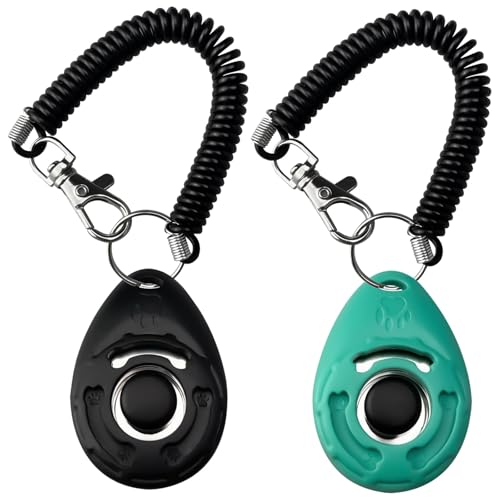
Instant Attention & Clear Sound: This dog clicker for training produces a sharp, consistent sound that’s perfect for clicker training dogs, puppies, cats, and even birds or horses. Works great as a dog clicker to stop barking and reinforce positive behaviors quickly.
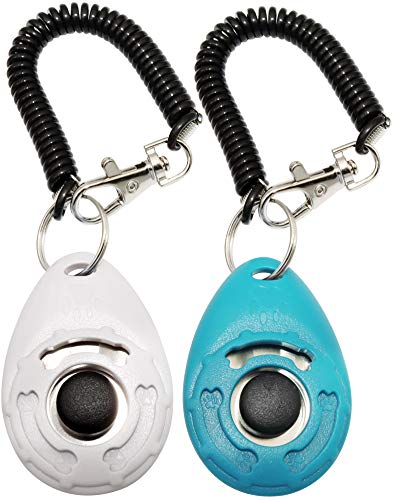
▼Come in 2 pack button clickers with wrist strap in 2 different colors: Lake Blue, White
Training Structure and Phases
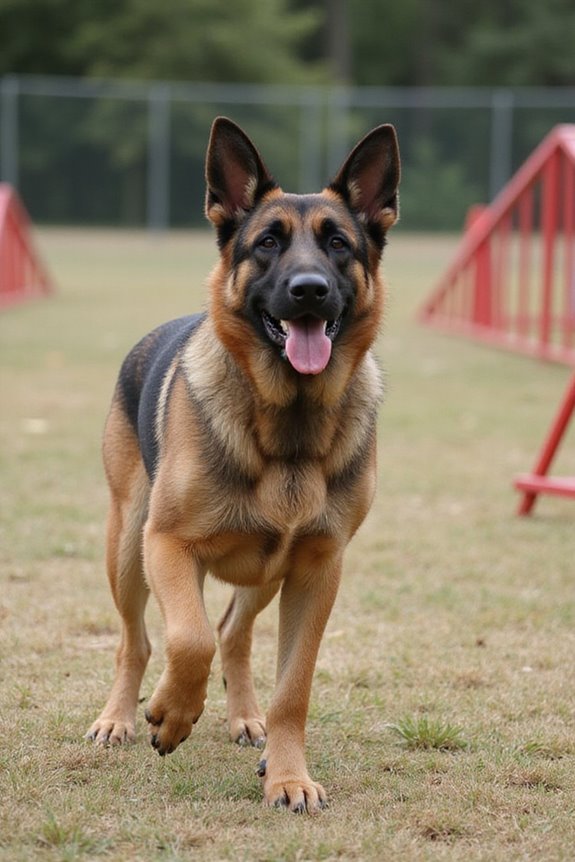
To effectively structure protection dog training, it is vital to approach the process in well-defined phases, guaranteeing a thorough and systematic development of skills. Each training phase builds upon the last, fostering a solid foundation for your dog’s abilities:
- Basic Obedience: Establish essential commands like sit and stay, emphasizing consistency.
- Socialization and Confidence Building: Introduce varied environments to reduce fear and enhance adaptability.
- Focus and Alertness Enhancement: Train maintaining focus amid distractions to guarantee responsive behavior.
- Controlled Protection Training: Gradually introduce protection techniques using safety equipment.
- Scenario-Based Applications: Simulate real-life situations for appropriate reactions.
Utilizing clear evaluation methods allows you to track training progression, guaranteeing your dog develops effectively and responsively in protection situations.
Recommended Products

INCREDIBLY DURABLE - This bite wedge with double stitching is made of the highest quality jute material to ensure that your dog will never tear it when having fun; The biting surface is super tough but also very soft for dog teeth, to keep both of you absolutely safe
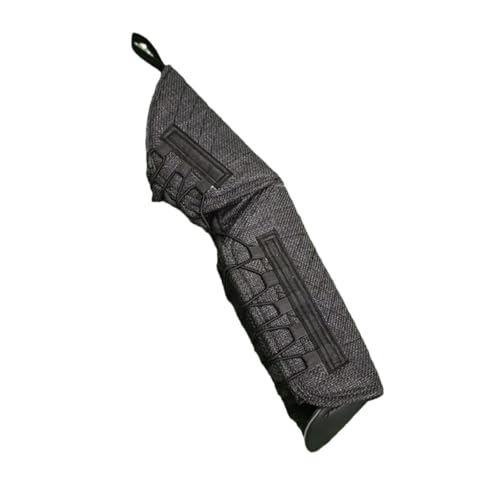
【Easy to Wear & Safe 】 Quick to put on and take off, the sleeve features a snug fit and anti-slip design that allows movement, boosting training efficiency while keeping in check.

【Premium Material Durable】Made of high quality material, which is soft and durable, won't hurt the dog's teeth. The edges are tightly stitched, bite-resistant and not easy to loose for long time use.
Frequently Asked Questions
What Breeds Are Best Suited for Protection Dog Training?
When considering breeds for protection dog training, I find a breeds analysis and temperament evaluation essential. German Shepherds and Belgian Malinois are fantastic choices, blending loyalty and intelligence to create a strong, protective bond.
How Long Does It Take to Train a Protection Dog?
Training a protection dog’s like nurturing a fine wine; it takes time to develop. Generally, you’re looking at 1 to 3 years for full readiness, depending on the dog’s temperament and specific training goals.
Can Protection Dog Training Be Done at Home?
Yes, I believe home training can be effective for basic obedience and dog safety. However, I’d recommend seeking professional guidance for advanced skills to guarantee my dog’s protective instincts don’t outweigh their training.
What Are Common Mistakes in Protection Dog Training?
Every journey has its bumps. In protection dog training, I’ve stumbled over handler errors and poor training techniques. Starting early, staying consistent, and nurturing a positive environment are keys to revealing our bond and success together.
How Do I Assess My Dog’s Temperament for Protection Work?
To assess my dog’s temperament for protection work, I focus on temperament evaluation and their training readiness. It’s essential to observe their stability, responsiveness, and ability to switch between work and family time.