

To help your overweight dog lose weight, begin by calculating their caloric needs using the RER formula, and then adjust their food intake. Focus on a high-protein, low-fat diet with fiber-rich vegetables like broccoli. Establish consistent meal times and limit treats to 10% of their daily calories. Incorporate at least 20-30 minutes of exercise daily, such as brisk walks or swimming. Veterinary guidance is essential for monitoring progress and ensuring a safe weight loss journey; further details can enhance your approach.
Key Takeaways
- Consult a veterinarian to establish a safe weight loss plan tailored to your dog’s breed, age, and health conditions.
- Implement a high-protein, low-fat diet, incorporating high-fiber vegetables to enhance satiety and nutritional value.
- Measure and monitor food portions strictly, limiting treats to healthy options and capping at 10% of daily intake.
- Introduce regular exercise such as brisk walks, aiming for at least 20-30 minutes of activity five days a week.
- Track your dog’s weight regularly and adjust feeding and exercise plans based on progress, aiming for gradual weight loss of 1-2% per week.
Understanding Healthy Weight Loss for Dogs
You may be interested
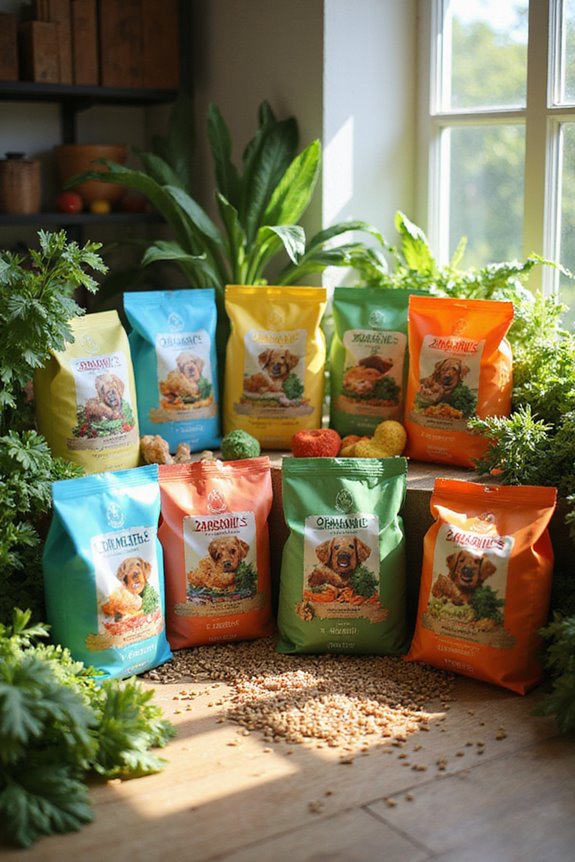
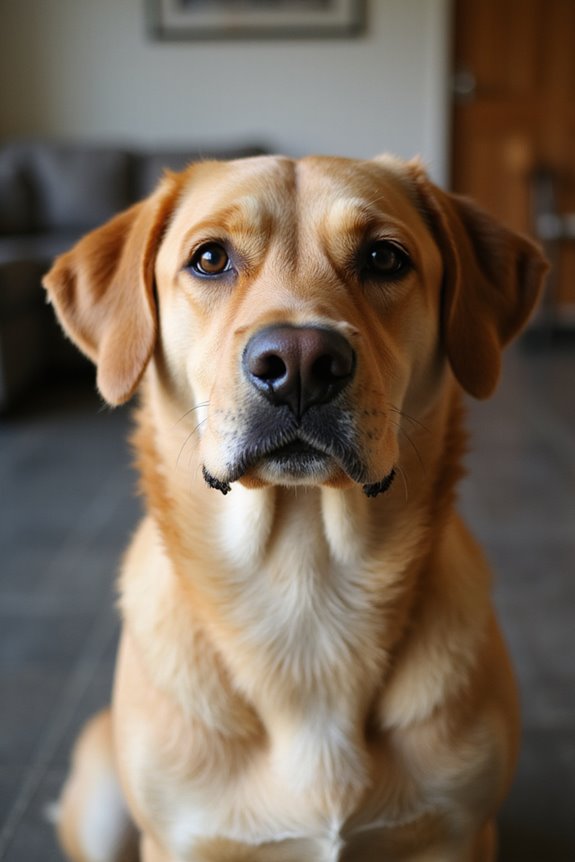
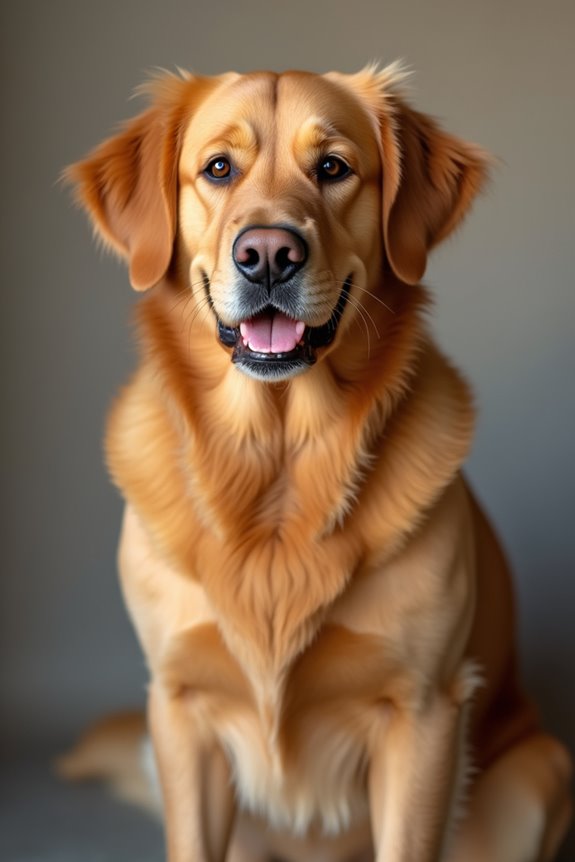
When it comes to helping your dog lose weight, understanding the principles of healthy weight loss is essential. Many pet owners fall for weight loss myths, believing that drastic caloric restrictions work best. However, obesity causes are often linked to poor nutrition and environmental factors. Instead, focus on these key strategies:
- Opt for a high-protein, low-fat diet to support fat loss while preserving muscle mass.
- Incorporate low-calorie, high-fiber foods to promote satiety without overloading on calories.
- Avoid free-feeding; instead, establish consistent meal times to prevent overeating.
- Replace high-calorie treats with healthier options like fruits or vegetables.
Additionally, consider investing in premium dog foods that provide high-quality proteins and essential nutrients for your dog’s overall health.
Recommended Products
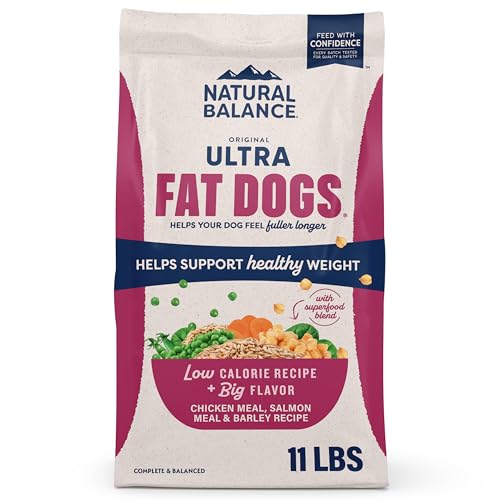
CHICKEN MEAL IS THE FIRST INGREDIENT providing essential protein and amino acids to help maintain strong muscles; Peas, oat groats, and barley are included as a healthy and rich source of fiber for digestive health; Contains (1) 11-Pound bag

A NEW PREMIUM alternative to low fat veterinary diets at a GREAT VALUE without the need for a prescription.

GRAIN-FREE ADULT DRY DOG FOOD: Premium protein from responsibly sourced turkey is expertly balanced with nutrient rich superfoods for a complete and balanced dog food, with guaranteed levels of all the nutrients your dog needs to thrive.
Calculating Caloric Needs for Weight Loss
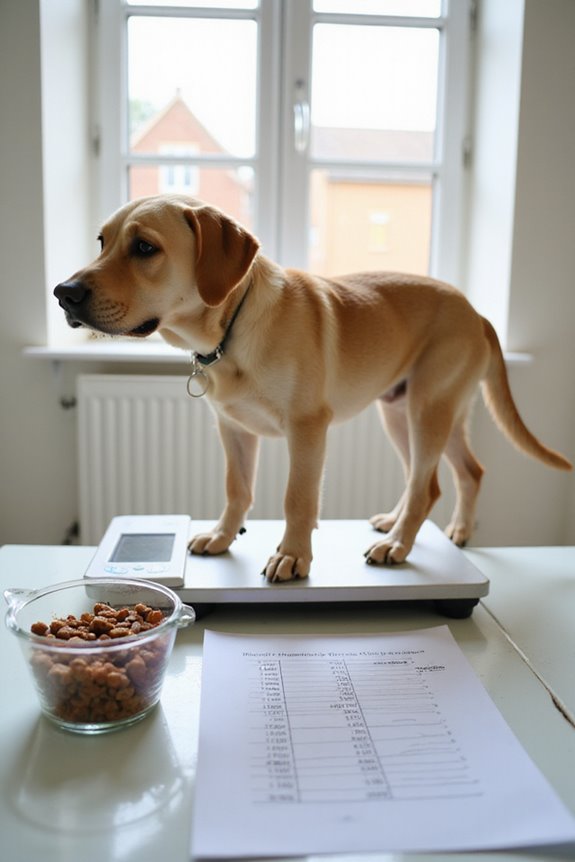
To effectively assist your overweight dog in shedding those extra pounds, accurately calculating caloric needs is a fundamental step.
- Calculate Resting Energy Requirement (RER):
- Convert weight: Pounds ÷ 2.2 = kg.
- Use RER formula: RER = 70 × (weight in kg)^0.75.
- MER = RER × activity multiplier.
- Set multiplier to 1.0 for weight loss.
- Verify caloric intake is less than MER but meets nutrition.
- Target a safe weight loss of 1-5% of body weight monthly.
- Online calculators help personalize these caloric calculations for effective weight management.
- Start slow: Short walks for beginners, increasing duration as your dog builds endurance.
- Low-impact activities: Favor swimming and walking to reduce stress on joints.
- Frequency: Aim for at least five days of activity weekly, with consistency being key.
Recommended Products

Helps Dog Gain Weight: Filled with healthy ingredients to help your dog gain weight if they aren't eating properly. Shelf life: 24 months from manufacturing date. EXP date printed beside the barcode as EXP MM/YY.

Effective Diet Management and Food Choices

Effective diet management is essential for helping your overweight dog lose weight, as it combines appropriate food choices with a structured feeding regimen. Begin with accurate food portioning to meet caloric goals, ensuring you measure each meal to prevent overfeeding. Incorporate high-protein, low-calorie dog food to preserve lean muscle mass, while adding fiber-rich vegetables like broccoli and green beans to increase satiety without increasing calories.
For treats, opt for low-calorie alternatives, such as carrot sticks or commercial low-calorie treats, capping treats at 10% of daily caloric intake. Always provide meals at consistent times, limiting feeding duration to 15-30 minutes. This will help regulate appetite and maintain control, ensuring your dog stays on track during their weight loss journey. Additionally, consider high-protein recipes that feature quality animal ingredients to support your dog’s nutritional needs.
Recommended Products

Nutritional oral gel for dogs who need extra calories and vitamins; ideal for finicky or aging dogs

Weight control dog food made with high-quality protein sources, including real turkey as the number 1 ingredient, to promote strong muscles including a healthy heart

Healthy Weight Formula - High protein and low-calorie dog food supports weight management, lean muscle, and overall well-being to fuel an active lifestyle
Incorporating Exercise Into Your Dog’s Routine

Incorporating exercise into your dog’s routine is essential for successful weight loss and overall health. To achieve this, start with a vet consultation to guarantee your dog’s safety. Gradually introduce exercise types like brisk walking, swimming, or hiking, and aim for at least 20 to 30 minutes of activity daily.
Recommended Products

Perfect Fit: Sizing does NOT directly correspond to your pet's breed or weight; Ensure the ideal fit by MEASURING your pet with our Size Guide and referring to our sizing chart before ordering; Not for large dogs
](https://m.media-amazon.com/images/I/41ji4lsxEIL._SL500_.jpg)
[UPDATED VESION, EASY TO PUT ON & TAKE OFF] This dog harness has 3 buckles( One is on the neck with Lockable, two are on the chest), NO NEED go through dog’s head. This will let your dog loves to wear harness!
The Importance of Veterinary Guidance and Monitoring
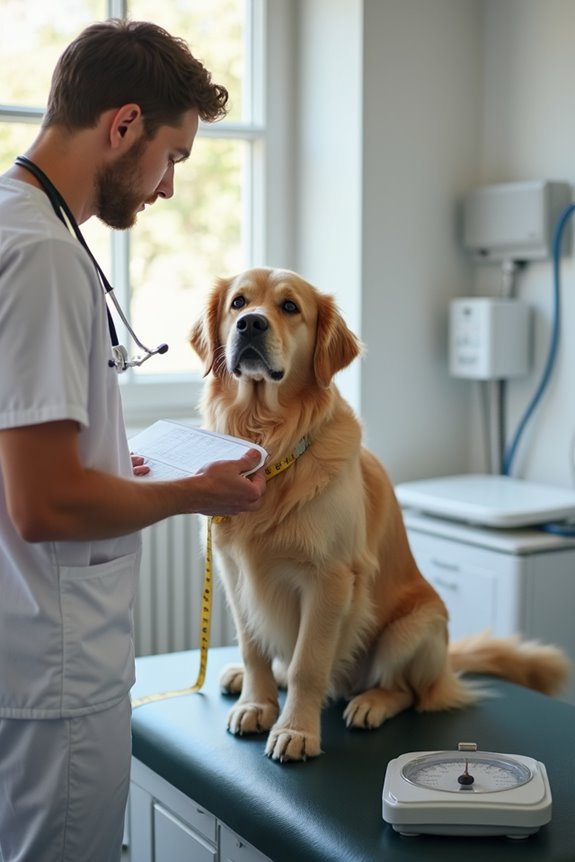
When managing your dog’s weight loss journey, receiving veterinary guidance is important for guaranteeing both safety and effectiveness. A thorough veterinary assessment establishes your dog’s health status and sets appropriate weight loss goals. Customized calorie recommendations consider factors like breed, age, and any underlying medical conditions that could affect weight gain.
Regular weigh-ins and evaluations, including a body condition score, allow for tracking progress and making necessary adjustments. Consistency is key; gradual weight loss of 1-2% per week is advisable to maintain health. Additionally, ongoing veterinary supervision helps prevent potential health risks associated with rapid weight loss. Ultimately, this guidance guarantees not only effective weight loss but also supports overall well-being throughout your dog’s journey.
Recommended Products

Canned dog food made with real turkey and a taste dogs love

High-protein weight management dog food with real chicken to support lean muscle mass.

High protein formula, with real Chicken as the first ingredient
Frequently Asked Questions
How Can I Tell if My Dog Is Overweight?
When it comes to figuring out if my dog’s overweight, I’d suggest doing a body condition assessment. You should check their ribs, waist, and overall shape for any signs that they’re tipping the scales.
Are There Specific Breeds More Prone to Obesity?
I’ve learned certain breeds, like Pugs and Beagles, have higher obesity risk due to their unique breed traits. It’s really important to understand these traits to better support our furry friends’ health and well-being.
Can I Give My Dog Treats During Weight Loss?
When it comes to treating my dog, moderation’s the name of the game. I guarantee healthy treats are just a sprinkle of joy, combined with careful portion control, keeping my furry friend’s weight loss on track.
How Long Will It Take for My Dog to Lose Weight?
I know the weight loss timeline can be challenging, but with patience, my dog’s healthy weight journey can take several months. Regular monitoring and adjustments make it manageable and rewarding for both of us.
What Are the Signs of Malnutrition in Dogs?
If you’re noticing malnutrition symptoms like a dull coat, weight loss, or lethargy, it’s essential to address potential nutritional deficiencies immediately. I care deeply about my dog’s health, and early intervention matters immensely.