
If your dog shows signs of heatstroke, like excessive panting and drooling, act fast. Move them to a cool, shaded area. Pour cool water over their body, avoiding the face, and offer small sips of fresh water if they’re conscious. After initial cooling, get them to a veterinarian for IV fluids and further monitoring. Watch for complications like seizures or signs of shock. Learning more about ongoing care can help guarantee your dog’s safety in the future.
Key Takeaways
- Move the dog to a shaded, cool area immediately to help lower their body temperature.
- Pour cool (15-16°C) water over the dog, avoiding the face, and provide air movement for better cooling.
- Offer small amounts of fresh, cool water if the dog is conscious and willing to drink.
- Seek veterinary care for IV fluid therapy and monitoring of vital parameters like heart rate and temperature.
- Monitor for signs of complications, such as seizures or shock, and provide ongoing hydration and shade.
Recognizing the Signs of Heatstroke in Dogs
You may be interested
How can you tell if your dog is experiencing heatstroke? Recognizing the early symptoms is essential for your dog’s safety. Pay close attention to the following behavioral changes:
- Excessive Panting: Heavy panting and rapid breathing can indicate that your dog is overheating.
- Increased Drooling: Look for abnormally high levels of drooling or dry gums.
- Hyperactivity: Some dogs may exhibit restlessness or hyperactivity before more severe signs appear.
- Weakness: Mild weakness or difficulty maintaining balance is a warning sign.
- Lethargy: Unusual fatigue after exercise in hot weather also suggests overheating.
Being aware of these indicators will help you take swift action if your dog finds itself in a dangerous situation, ensuring their well-being.
Immediate First Aid Measures for Heatstroke
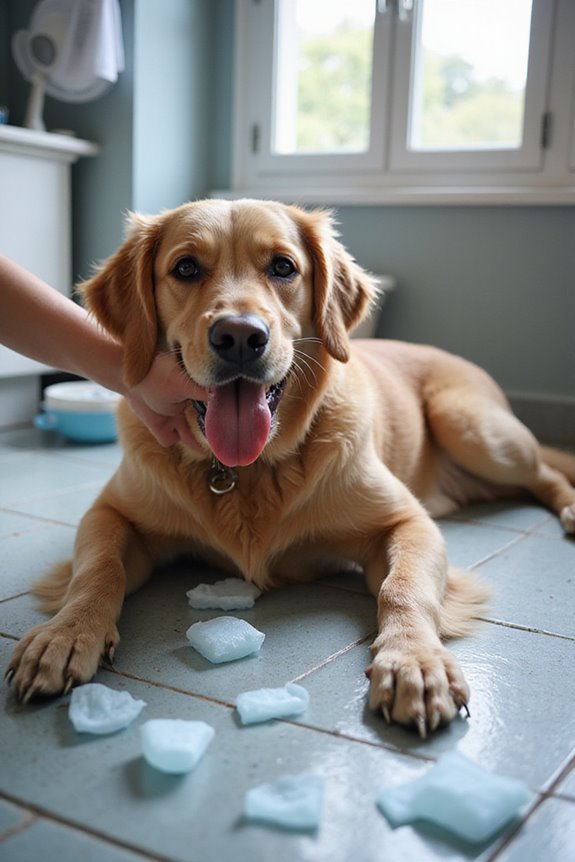
When a dog shows signs of heatstroke, swift action is essential in preventing serious complications or even death.
Immediate Cooling Techniques
- Move your dog to a shaded, cool area quickly.
- Pour cool water (15-16°C) over their body for safe temperature reduction; avoid pouring it near the face.
- If possible, use water immersion or continuous pouring with air movement for effective evaporative cooling.
Hydration Strategies
- Offer small amounts of cool, fresh water if the dog is conscious.
- Avoid ice-cold water, which can induce cramps; stick to cool water.
- Monitor for signs of shock or vomiting, ensuring your dog has continuous access to shade and hydration throughout the process.
Recommended Products

Innovative Open Neck Velcro Design – Unlike traditional fixed-neck styles, the adjustable neck opening makes dressing easier and more comfortable. Ideal for dogs with larger heads and a better overall fit.

𝐈𝐍𝐒𝐓𝐀𝐍𝐓 𝐄𝐕𝐀𝐏𝐎𝐑𝐀𝐓𝐈𝐕𝐄 𝐂𝐎𝐎𝐋𝐈𝐍𝐆 & 𝐇𝐄𝐀𝐓𝐒𝐓𝐑𝐎𝐊𝐄 𝐏𝐑𝐄𝐕𝐄𝐍𝐓𝐈𝐎𝐍: Utilize the power of water evaporation to instantly lower your dog's body temperature. Our specialized absorbent sandwich mesh stores moisture for prolonged cooling without making your dog wet, preventing overheating and heatstroke during hot summer walks, hikes, and play. Just soak, wring, and wear!
Veterinary Medical Interventions for Heatstroke
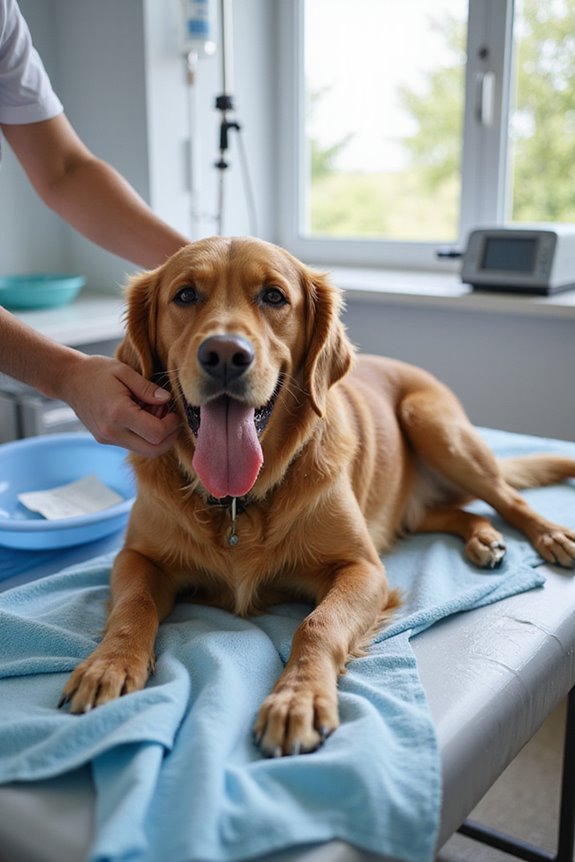
Veterinary medical interventions for heatstroke are essential to guarantee a dog’s safe recovery, particularly when initial first aid measures have been administered. Prompt veterinary care involves several important components:
- Fluid Therapy: Intravenous (IV) fluid therapy is critical for rehydration and addressing circulatory shock. Isotonic crystalloids, such as lactated Ringer’s solution, are typically used.
- Veterinary Medications: To combat potential complications, antibiotics may be prescribed to prevent sepsis, along with anti-inflammatory drugs to support cardiovascular function.
- Airway Management: Evaluating the dog’s airway is essential. Intubation or tracheostomy may be necessary to maintain adequate oxygen delivery.
- Continuous Monitoring: Key parameters, including heart rate and temperature, must be monitored closely to adjust treatment interventions effectively.
Recommended Products
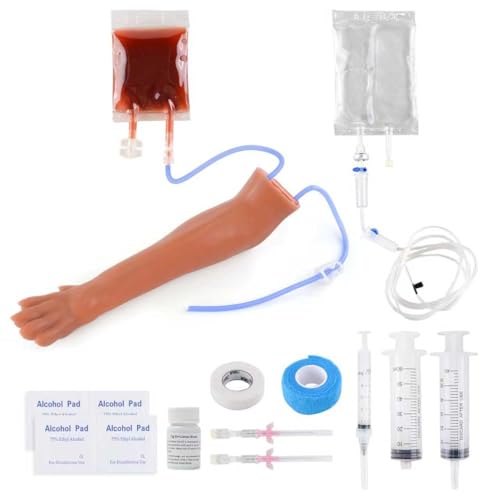
Canine IV Practice– This canine IV leg is designed for veterinary students and professionals to practice intravenous blood draw, IV fluid, and IV catheter placement with lifelike accuracy.

Authentic Simulation Experience: Our specially designed wearable arm cuff, combined with the injection practice pad, when worn on the arm, accurately replicates the conditions of a real patient's limb. This heightened realism contributes to a more authentic injection training.

Realistic Veterinary Training Model – This canine IV leg is designed for veterinary students and professionals to practice intravenous blood draw, fluid infusion, and catheter placement with lifelike accuracy.
Ongoing Monitoring and Management of Complications
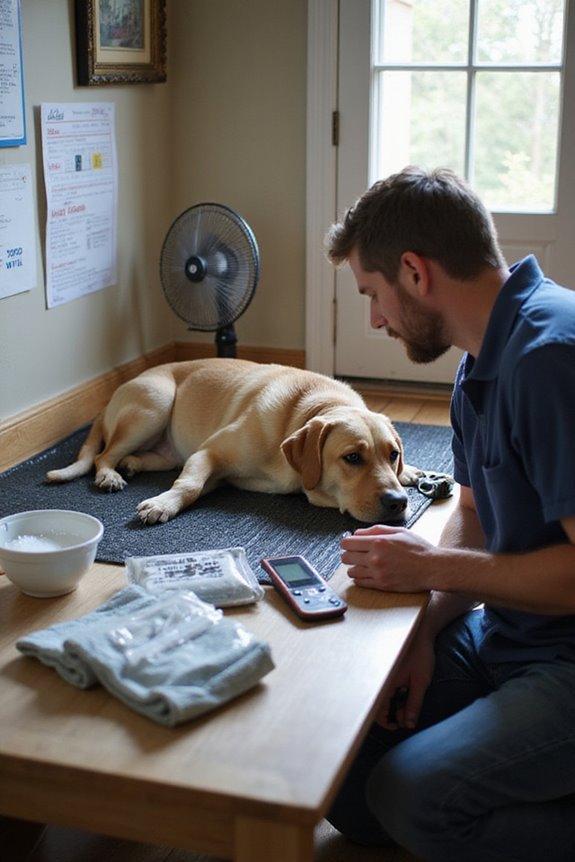
Monitoring and managing complications after a dog experiences heatstroke is vital for a successful recovery. Ongoing assessments are essential in identifying potential issues early.
- Organ function monitoring: Perform blood work within 1-2 weeks to assess kidney, liver, and cardiac health.
- Neurological evaluations: Watch for seizures or behavioral changes indicating brain damage.
- Respiratory support: Administer supplemental oxygen if necessary, observing for complications like aspiration pneumonia.
- Fluid therapy: Continue IV fluids, checking cardiovascular stability closely to prevent overload.
- Inflammation management: Monitor for secondary infections and treat with appropriate antibiotic therapy.
Close follow-up with your veterinarian can help guarantee effective complication management and prompt intervention if issues arise.
Supporting Recovery and Preventing Future Incidents
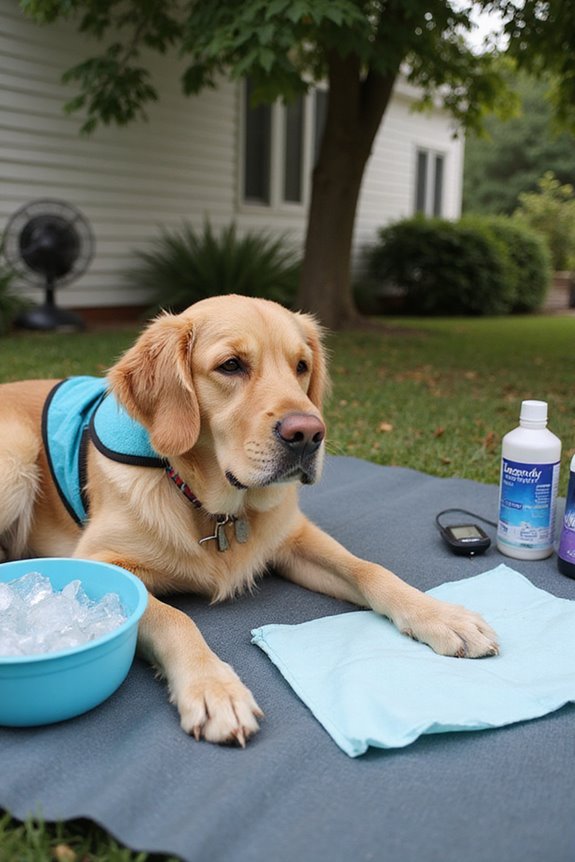
Supporting a dog’s recovery after heatstroke isn’t merely about immediate care; it requires a thorough approach to guarantee long-term health and prevent future incidents.
Hydration Strategies
- Continue intravenous fluids initially, shifting to oral hydration as recovery progresses.
- Maintain constant access to fresh, cool drinking water to encourage hydration.
Environmental Adaptations
- Avoid exposing your dog to high temperatures, especially during peak heat.
- Provide shaded, well-ventilated resting areas outdoors and use fans or air conditioning indoors.
- Gradually acclimate your dog to warmer environments to enhance heat tolerance.
Regularly monitor your dog’s behavior and physical well-being, scheduling follow-up veterinary visits. By implementing these strategies, you can markedly improve your dog’s recovery and reduce the risk of future heatstroke.
Recommended Products
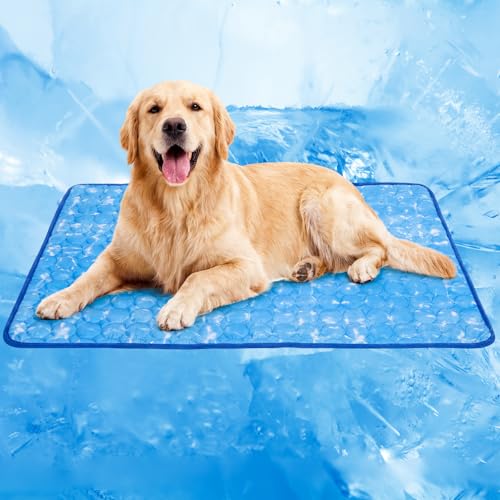
- Advanced Arc-Chill Cooling Technology: The top layer is made of high-quality Arc-Chill cooling fiber with a cool-sense value (Q-max) of over 0.45, which can quickly reduce your pet's skin contact temperature by 4-6°C instantly. It absorbs and dissipates body heat efficiently, providing continuous cooling comfort for hours, so your dog can relax without overheating even in scorching weather.

Advanced Cooling Technology: Made from cold-sensitive cool-tech fabric on both sides, this dog cooling mat effectively absorbs and dissipates body heat. It can also double as a dog cooling blanket without needing liquid filling, ensuring durability and removing chewing risks.

🐶 【Long-Lasting Cool: PCM&Arc-Chill 3.0 Tech】 No more short-lived relief. Our mat uses PCM (Phase Change Material) to absorb and store heat, delivering a consistent 5–8°F cool for hours—no electricity or recharging needed. Enhanced with Arc-Chill 3.0, it starts cooling faster and lasts longer, perfect for hot days, car rides, or post-play recovery. Your pet stays cool even when the temperature rises.
Frequently Asked Questions
Can Dogs With Heatstroke Show Behavioral Changes?
Absolutely, I’ve noticed that dogs in heat stress often show distinct behavioral signs. They might seem lethargic or overly anxious, and it’s heartbreaking to watch them struggle. Being attentive can make all the difference for them.
What Breeds Are More Susceptible to Heatstroke?
Just like a candle in the sun, bulldog breeds are especially vulnerable to heatstroke amid rising temperatures. Factors like thick coats and size add to their risks, making climate considerations essential for their safety.
How Long Does Recovery From Heatstroke Typically Take?
When I think about the recovery timeline from heatstroke symptoms, it often takes 2 to 3 days in the hospital followed by ongoing care at home. Patience and love are essential during this journey.
Are There Vaccines to Prevent Heatstroke in Dogs?
Honestly, there aren’t any vaccine options for heatstroke prevention in dogs. I focus on environmental management and keeping my pets cool, as that’s the best way to protect them from heat-related issues during hot months.
Can Indoor Dogs Experience Heatstroke Conditions?
Absolutely, indoor dogs can suffer from heatstroke. I’ve noticed that indoor temperature and humidity levels can elevate quickly, making it essential to monitor their surroundings and guarantee they have access to cool spaces and fresh water.