


Positive reinforcement dog training is a method that strengthens desired behaviors by introducing immediate rewards, such as treats, praise, or affection, after the behavior occurs. This method is rooted in behavioral science and operant conditioning. Key principles include understanding what motivates your dog and remaining consistent across various environments. It’s a force-free approach that fosters trust and reduces anxiety for both dog and owner. If you want to understand the methods and benefits further, there’s more to explore.
Key Takeaways
- Positive reinforcement dog training involves adding rewards after a desired behavior to increase its likelihood in the future.
- Rewards can include treats, praise, or petting, catering to the dog’s preferences for effectiveness.
- Techniques like clicker training and luring help clarify communication and direct dogs towards desired actions.
- This method fosters a strong bond between the dog and owner, enhancing trust and learning experiences.
- Positive reinforcement promotes faster learning and reduces stress compared to aversive training methods.
Definition and Key Principles
You may be interested


Positive reinforcement in dog training serves as a fundamental approach grounded in behavioral science. This method involves adding a stimulus immediately after a desired behavior to strengthen it, using training terminology to enhance understanding. The stimulus, often referred to as a reward, can include treats, praise, or petting, and must be contingent on the behavior to be effective. Key principles include:
- Behaviors are more likely to be repeated when followed by rewards.
- Reinforcement must be immediate to establish a clear link.
- The dog’s preferences inform which rewards are most effective.
Understanding reinforcement types helps create a positive learning environment, making the training experience enjoyable for both the dog and the trainer, ultimately leading to lasting behavioral changes.
Methods and Application Techniques
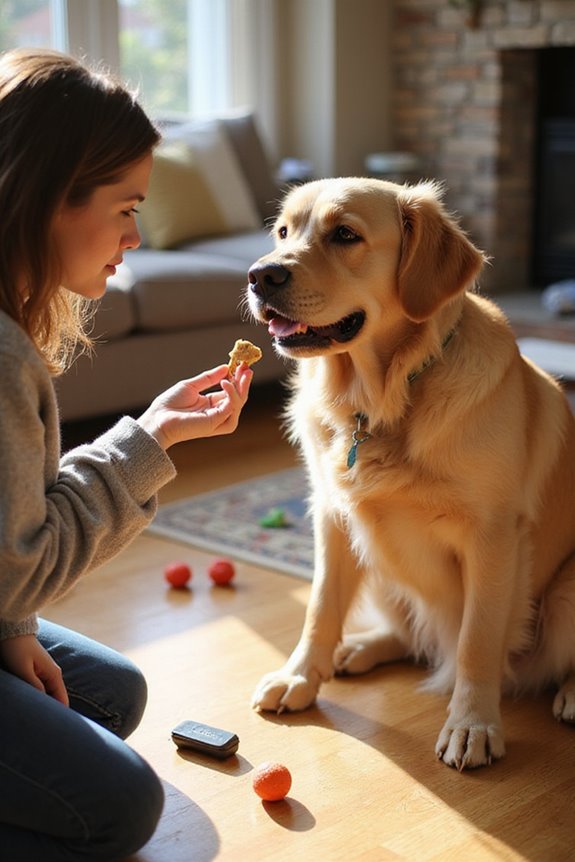
Training dogs effectively requires an understanding of various methods and application techniques that enhance the positive reinforcement approach. Here are some effective strategies:
- Reward-based Techniques: Use treats, verbal praise, or toys immediately after desired behaviors to strengthen them. Consistency is key.
- Luring and Shaping: Lure your dog with a treat to guide them, and shape behaviors by rewarding small steps towards a goal.
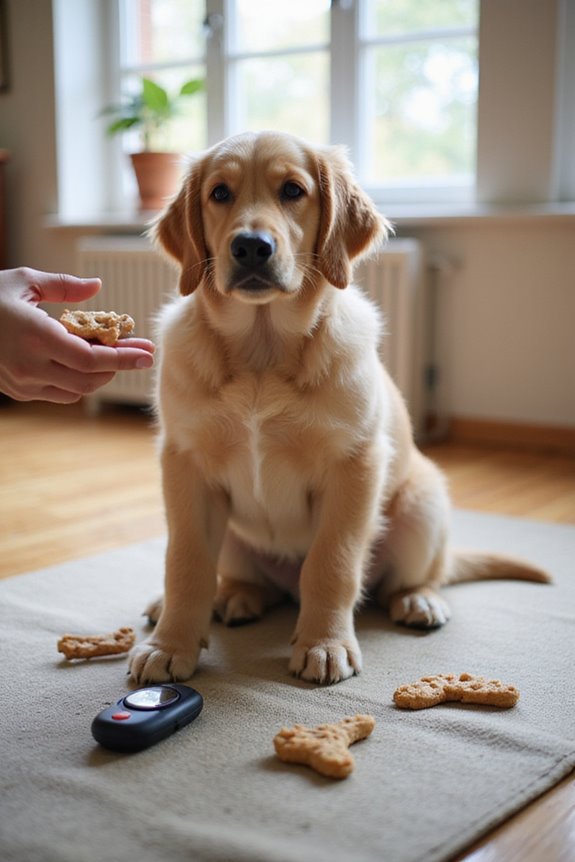
- Clicker Training: Employ a clicker to mark correct behaviors, followed by a reward, providing clarity in communication.
- Capturing Behavior: Wait for your dog to exhibit natural behaviors, rewarding them instantly to encourage repetition.
- Application in Training Environments: Maintain consistency across environments, adapting reward strategies to fit your dog’s unique preferences for effective learning.
Recommended Products

New communication tool about you and your puppy.

【Rich Dog Training Kit】 Includes a training waist bag, a silicone dog treat bag, 2 dog training clickers with wrist strap(one dark green, one black), an adjustable ultrasonic dog whistle with lanyard, a 2-in-1 dog whistle clicker (light green), a roll of dog waste bags, and a dog clicker training manual, meeting various training needs.

🐕Dog Clicker Training Kit🐕 - Dog clicker training kit contains 1 Silicone dog treat pouch and 1 pack pet training clickers.The dog training treat bag can contact pet food directly,safe and healthy;The dog treat pouch is available in assorted colors (black/beige/navy blue/sky blue/egg green), simplicity and fashion;the blue and white clickers are effective,It's your good choice for training pets.
Scientific Basis and Effectiveness
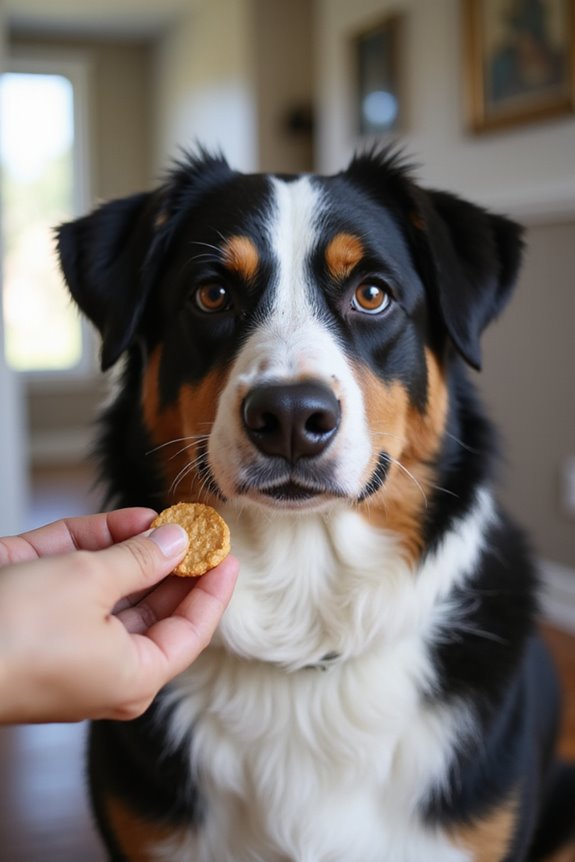
Understanding the scientific foundations of dog training reveals why positive reinforcement is such an effective approach. Positive reinforcement is rooted in operant conditioning, where behaviors are strengthened by rewarding outcomes. This contrasts with classical conditioning, which focuses on involuntary responses, such as dogs associating a sound with food.
Positive reinforcement utilizes rewards like treats or toys to enhance desired behaviors, promoting faster learning and better task performance. Studies indicate that dogs trained this way experience less stress compared to those subjected to aversive methods, which can elevate anxiety and hinder learning.
Furthermore, positive training fosters stronger bonds between dogs and their handlers, ensuring a more enjoyable and productive training experience overall.
Ethical Considerations in Dog Training
The principles that guide ethical considerations in dog training reflect a commitment to humane practices and the well-being of the animal.
Here’s what every trainer and owner should understand:
- Force-Free Approach: Use positive reinforcement without intimidation.
- Trainer Responsibilities: Be mindful of methods’ long-term impact on the dog.
- Owner Collaboration: Owners must engage actively and adapt their beliefs about punishment.
- Understanding Behavior: Tailor techniques based on the dog’s history and learning style.
- Consistency Across Settings: Guarantee reinforcement remains steady, regardless of the context.
- Adaptability: Methods should evolve to fit individual dog needs.
These ethical considerations are foundational for creating a healthy learning environment, advocating for compassion while achieving behavioral goals.
Recommended Products

comprehensive and helpful information

POSITIVE REINFORCEMENT TRAINING: Educator premium audible finger clicker provides a clear, consistent sound cue to help reinforce desired behaviors during training when paired with rewards.

Instant Attention & Clear Sound: This dog clicker for training produces a sharp, consistent sound that’s perfect for clicker training dogs, puppies, cats, and even birds or horses. Works great as a dog clicker to stop barking and reinforce positive behaviors quickly.
Benefits and Challenges for Dog Owners
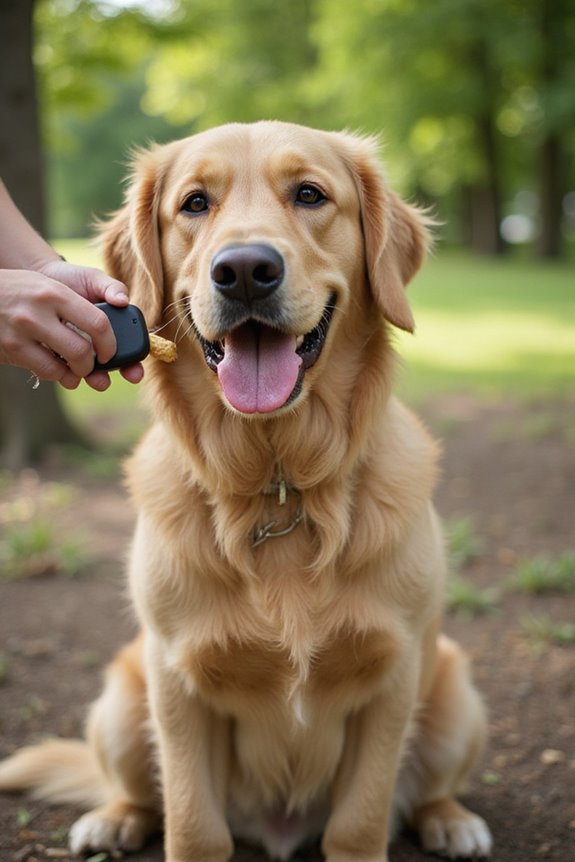
While many dog owners aspire to train their pets using positive reinforcement methods, the journey is often filled with both rewarding experiences and notable challenges.
- Increased Confidence and Trust: My dog learns to trust me as I reward good behavior, building a stronger bond.
- Enhanced Learning: Focusing on rewards simplifies communication, yet training consistency is essential; dogs thrive on repetition.
- Variety of Rewards: I’ve found using a mix of treats, toys, and affection keeps my dog engaged and motivated.
- Welfare Improvements: With reduced stress, my dog shows fewer behavioral issues compared to other training methods.
- Challenges: It requires my patience and commitment; I sometimes experiment to find the most motivating rewards, while also managing to avoid overusing treats to prevent health concerns. Additionally, positive reinforcement techniques promote a humane training environment that fosters long-term behavioral changes.
Recommended Products

【PREMIUM MATERIAL, EXCELLENT DESIGN】Dog treat pouch outer material is high quality 600D oxford cloth with PVC-coated. The inner lining is made of heavy duty nylon that can be pulled out fully for emptying crumbs, wiping or rinsing. Double stitching lines make the pet training bag more durable. The zipper works very well. With big cloth tap on zipper head, it can be easily hold even by big hands. This dog training treats pouch is abrasion resistant

【Magnetic Closure Design】: Features strong built-in magnets that automatically seal the opening to help keep dog treats secure; opens easily with one hand for quick rewards during training and walks

【Train Like a Pro】Heouvo dog treat pouch and clicker kit are designed to help you train your dog like professionals. With easy access to your pet's favorite treats and a training clicker to supercharge your training sessions, you'll see better results in no time
Frequently Asked Questions
Can I Use Positive Reinforcement With an Aggressive Dog?
Absolutely, I’ve used positive reinforcement with my aggressive dog. It transformed his behavior beautifully. By focusing on rewarding calm responses, we shifted his aggressive behavior into something more manageable, strengthening our bond along the way.
What Should I Do if My Dog Ignores Treats?
If my dog ignores treats, I explore treat alternatives like play or praise. I keep motivation techniques fresh by mixing rewards and creating a calm environment, ensuring he feels excited and connected to our training moments.
How Long Will It Take to See Results?
Just like planting a seed, you won’t see flowers overnight. In my experience, a solid training timeline shows behavior improvement may take 2-3 months, but patience and love cultivate lasting change in our furry friends.
Can Positive Reinforcement Be Combined With Other Training Methods?
I love combining clicker training with positive reinforcement. It’s all about reward timing, ensuring my pup gets treats right after good behavior, creating a clearer communication and strengthening our bond. It’s truly effective and heartwarming.
What Types of Treats Work Best for Training?
I know you might think any treat works, but high-value treats truly shine during training. They keep my dog’s focus for longer durations, making every session enjoyable and productive. Let’s find what your pup loves best!