


SMART goals in dog training refer to setting Specific, Measurable, Achievable, Relevant, and Timely objectives. For example, instead of aiming for general obedience, I can define a specific goal like “my dog will sit on command in five out of six attempts.” By tracking progress with logs or videos, I can assess improvements. Achievable goals consider my dog’s pace, while relevance guarantees the goals align with our daily routine. Learning more about these concepts can enhance your training strategy.
Key Takeaways
- SMART goals in dog training stand for Specific, Measurable, Achievable, Relevant, and Timely objectives tailored to the dog’s abilities.
- Specific goals define clear behaviors to achieve, breaking complex tasks into manageable sub-goals for effective training.
- Measurable goals track progress with logs, video assessments, and performance metrics to ensure training consistency.
- Achievable goals set realistic expectations, focusing on incremental progress to build confidence without overwhelming the dog.
- Relevant goals align with your lifestyle and the dog’s needs, ensuring training fits seamlessly into daily routines and addresses safety skills.
Understanding SMART Goals in Dog Training
You may be interested


When it comes to effective dog training, understanding SMART goals is essential for both owners and their canine companions. SMART stands for Specific, Measurable, Achievable, Relevant, and Timely. By focusing on these principles, we can guarantee goal alignment between our aspirations and our dog’s abilities.
- Measurable goals allow us to track progress, noting behaviors like successful recalls or calm waits, while guaranteeing training consistency.
- Achievable goals mean setting realistic expectations that match our dog’s current skills and needs.
- Relevant objectives enhance our bonding experience and improve our daily life.
- Finally, incorporating a timely aspect provides discipline, enabling us to celebrate milestones along the journey.
Together, these elements foster effective training and mutual understanding.
Specificity: Defining Clear Training Goals
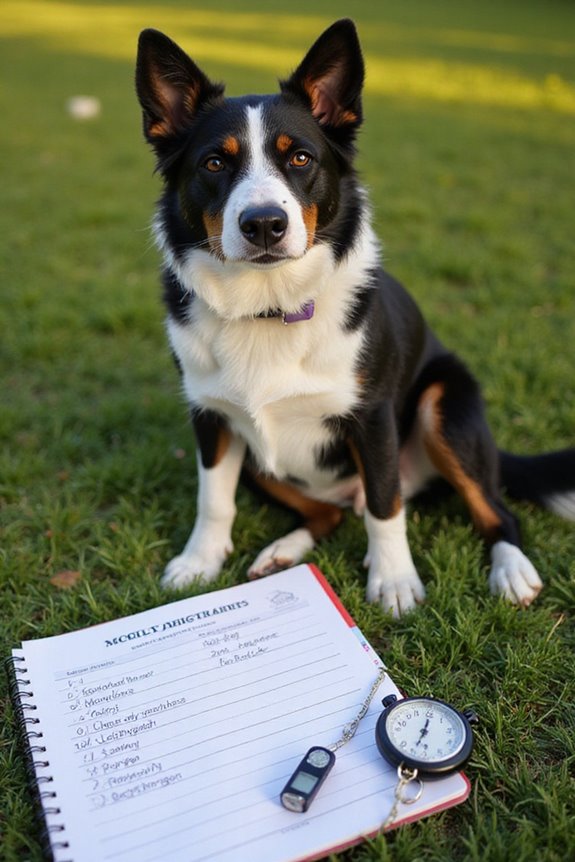
This clarity increases motivation and reduces frustration.
Key Points for Specific Goals:
- Clearly articulate complex behaviors by breaking them into manageable sub-goals.
- Incorporate environmental context to guarantee real-world applicability; train “stay when the doorbell rings.”
- Define replacement behaviors explicitly—like “sit calmly at greetings” instead of “jumping.”
With specificity, our training focus aligns, guaranteeing we achieve desired behaviors efficiently.
Recommended Products

Bundle of 2 Items: Dogtra T&B Dual Dial for two dogs remote training collar and PetsTEK clicker. Perfect for dogs from 35 pounds and up. Unique single-body, built in downward facing beeper horn to eliminate the risk of catching on obstacles when in the field. This dog behavior training collar is designed to fit dogs with neck sizes between 10 - 26 inches. The advanced Dual Dial system is designed for long range upland hunters.

Extended Range Training System: E-Collar EZ-904 1/2-mile range trainer for small to medium sized dogs 10 pounds and up with neck size 5 to 22-1/2 inches is loaded with unique features, making it the most humane and effective trainer available
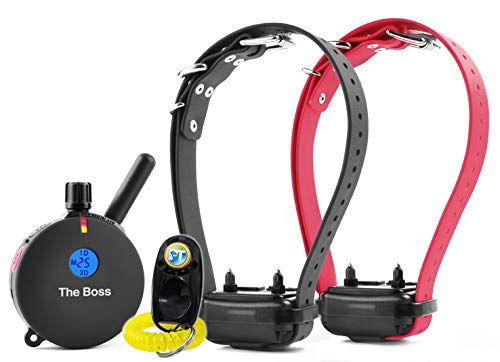
This is a bundle of 2 items: ET-802 two dog trainer and PetsTEK Dog Training Clicker. Perfect for back yards, parks, competitions, police k-9 work, any types of hunting and large field training.
Measurability: Tracking Progress and Success

Establishing measurable goals in dog training is essential for tracking progress and success effectively. To guarantee I’m observing my dog’s performance accurately, I utilize various methods for progress tracking:
- Logs and Journals: I keep detailed notes on each session, noting commands practiced and my dog’s responsiveness.
- Video Recordings: These allow me to visually assess behavioral improvements over time.
- Training Apps: Specialized apps help me record milestones and track changes effortlessly.
To quantify performance metrics, I count successful command responses, measure completion time for tasks, and monitor attention metrics in varying distractions. By recording data consistently, I can analyze trends, adjust strategies, and guarantee that my training remains effective and rewarding. This structured approach helps me understand my dog’s development clearly.
Recommended Products
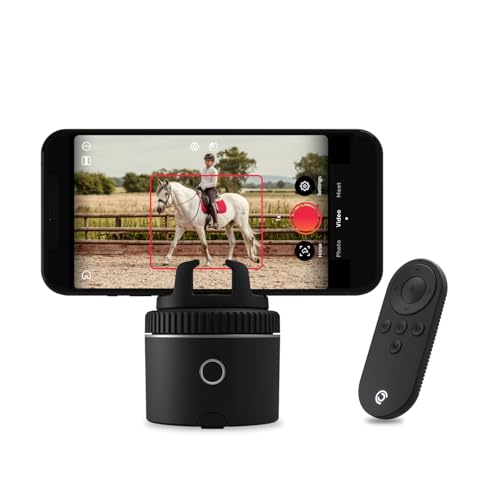
WHAT'S INCLUDED: The Pivo Equestrian Pod includes the Pivo Pod in Black or the Pivo Pod Lite in Pastel, depending on the selected color. The remote is also included with purchase, but Lite packaging implies that the remote is packaged separately.


All-in-one pet care tracking: vaccinations, vet visits, medical exams, medications and more
Achievability: Setting Realistic Expectations

Setting realistic expectations in dog training is essential for achieving desired outcomes without overwhelming either the dog or the handler. By focusing on incremental progress, we can break down complex behaviors into manageable steps, building confidence over time. Tailored expectations are vital; for instance, recognizing that puppies thrive on foundational skills, while older dogs may require adjustments based on their abilities and breed tendencies.
Here are some key points to take into account:
- Break training down into simple phases.
- Set short-term goals for consistent success.
- Adjust your training based on your dog’s pace.
- Factor in your availability to prevent burnout.
Recommended Products
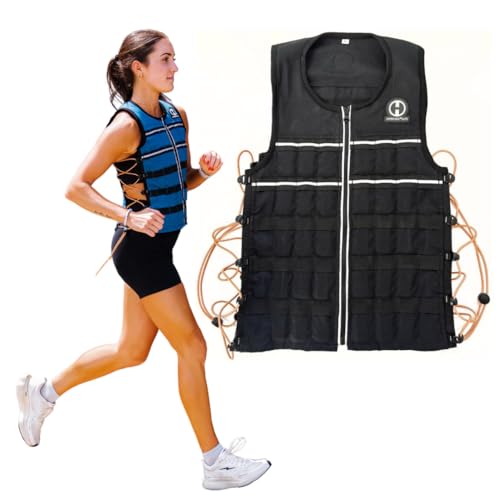
WALKS FEEL STRONGER, NOT HARDER — Patented stretch design holds 20 lb of steel micro-weights evenly across your torso — zero bounce, zero shoulder strain. Walk for miles with resistance that supports bone health, weight loss, and builds strength.

Complete Training System - Created by DogBone to teach you how to train your dog of any age or breed to find and retrieve deer antler sheds through a proven incremental method

Dog Training Collar: Our no shock dog bark collars are designed for most pups and dogs, from bark collar for small dogs to bark collar for large dogs. It is the ideal no bark collar that teaches your dog through vibration and sound, not shock, ensuring a gentle yet effective training device for anti barking.
Relevance: Aligning Goals With Lifestyle and Needs

When it comes to dog training, aligning your goals with both your lifestyle and your dog’s specific needs is vital for success. By considering lifestyle compatibility, I guarantee that my training schedule fits seamlessly into my daily routine, allowing for consistent practice. For instance:
- I evaluate my dog’s breed and behavior, adapting goals that suit their specific traits and energy levels.
- I assess my household dynamics to address any unique challenges, such as managing interactions between children and dogs.
- I’ll also focus on safety skills, like reliable recall, which are essential for our outings.
Recommended Products

High-Sensitivity GPS with GLONASS. Display size is 1.53 wide x 2.55 high in inches and 3 inch diagonal

Features sunlight-readable 3.5” capacitive touchscreen display and a button-operated, dog-focused design for quick, minor adjustments

LIVE TRACKING COMPASS & TRAINING: This set features a crisp 2" LCD screen and built-in compass. Operating entirely separate from your phone, the rugged handheld device gives you full e-collar control right at your fingertips for reliable, responsive handling anywhere in the field.
Time-bound Objectives: Creating Deadlines for Training
Creating time-bound objectives in dog training is essential for streamlining the learning process and ensuring steady progress toward your goals. Establishing clear deadlines increases focus and motivation, allowing for better time allocation.
- Set small, achievable milestones, like teaching a new command within one week.
- Schedule regular training sessions to promote consistency, aligning your training frequency with your timelines.
- Use reminders to monitor progress and adjust as needed, maintaining realistic pacing for your dog.
- Incorporate breaks to keep your sessions effective and engaging.
Recommended Products

INDOOR OR OUTDOOR DOG POTTY SOLUTION Porch Potty Standard works as both an indoor and outdoor dog potty. For outdoor use, attach the included 14-foot drain hose to direct runoff to a drainpipe, rain gutter, patio, or yard. For indoor use or spaces without runoff nearby, it is compatible with a catch basin, sold separately.
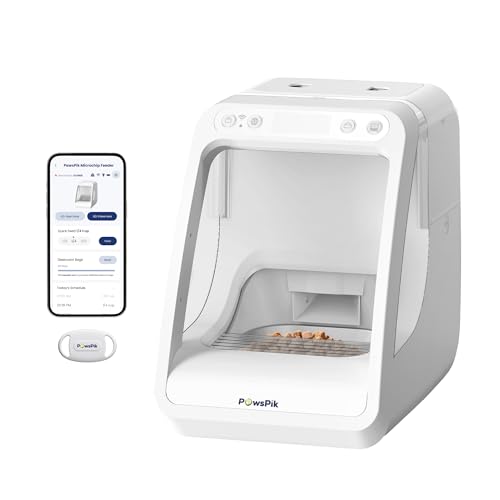
[Smart Access with RFID & Microchip Recognition] Prevents food stealing and ensures dietary control by granting access only to the pet with the assigned microchip or RFID tag. Note: Each feeder works for one pet only. For multiple pets, use one feeder per pet.

✽【NOTES】An Aqara Zigbee 3.0 Hub is required and sold separately. Requires a secured 2.4 gigahertz Wi-Fi network connection for Hub M2/ M1S/ E1/M1S Gen2 and Camera Hub G2H Pro/ G2H, and 2.4/ 5 GHz Wi-Fi for Camera Hub G3. (Wired connection via Ethernet RJ45 for Hub M2 is also supported). 4L tank capacity pet feeder for around 16 cups of food, best for cats and small to medium sized dogs.
Practical Examples of SMART Goals in Action
Establishing practical examples of SMART goals in dog training can greatly enhance the training process, offering clear guidance and direction. Here are some specific goals you might consider:
1. Recall Exercise
Train your dog to complete a recall exercise consistently at dog show competitions.
2. Leash Walking
Walk your dog for 30 minutes with a loose leash by the end of summer.
3. Reactivity Improvement
Pass a dog within 20 feet without barking or lunging by next year.
4. Calm Door Manners
Have your dog wait calmly at the door every time before going outside for one week.
5. Distraction Practice
Go to a busy store once a week to practice leash skills around distractions.
Setting these goals guarantees realistic expectations and promotes training consistency.
Benefits of Setting SMART Goals for Dog Training
Setting SMART goals for dog training provides multiple benefits that enhance the overall effectiveness of the training process. By employing specific training techniques, I target precise behaviors, making our sessions more focused. I can measure progress objectively, which keeps both my dog and me motivated. Attainable goals align with my dog’s capabilities, ensuring we’re both engaged. Additionally, these relevant objectives cater to my dog’s unique needs, promoting a positive training atmosphere.
- Timely deadlines keep us on track.
- Clear milestones encourage celebrating achievements, fostering joy in our journey.
- Structured goal setting avoids vague objectives, minimizing frustration.
- Enhanced communication strengthens the bond between us and improves our overall experience.
Incorporating SMART goals transforms training into a more productive and rewarding endeavor.
Frequently Asked Questions
How Can I Maintain Motivation During Training Sessions?
To maintain motivation during training sessions, I focus on positive reinforcement and stick to structured training schedules. By celebrating small wins and keeping things engaging, I’ve found my dog excited to learn, and so am I!
What Should I Do if My Dog Doesn’T Meet a Training Goal?
They say, “Rome wasn’t built in a day.” When my dog doesn’t meet a training goal, I do a behavior assessment first, then make necessary training adjustments, ensuring we’re both on the right path together.
Can I Adjust Training Goals as My Dog Progresses?
Absolutely, I believe in goal flexibility. As my dog progresses, I make training adjustments based on their pace and needs. It keeps our sessions engaging and helps us both enjoy the journey together.
How Often Should I Practice Training to Ensure Success?
I’ve found dogs trained weekly often succeed better than those trained daily. Consistency’s important too; shorter sessions spaced out help with retention. It’s about finding that sweet spot for effective training frequency that works for you both.
What Tools Can Help With Tracking My Dog’s Training Progress?
I find tracking apps and progress charts super helpful for monitoring my dog’s training. They give me a clear view of our achievements and areas needing improvement, making our training journey more rewarding and structured.