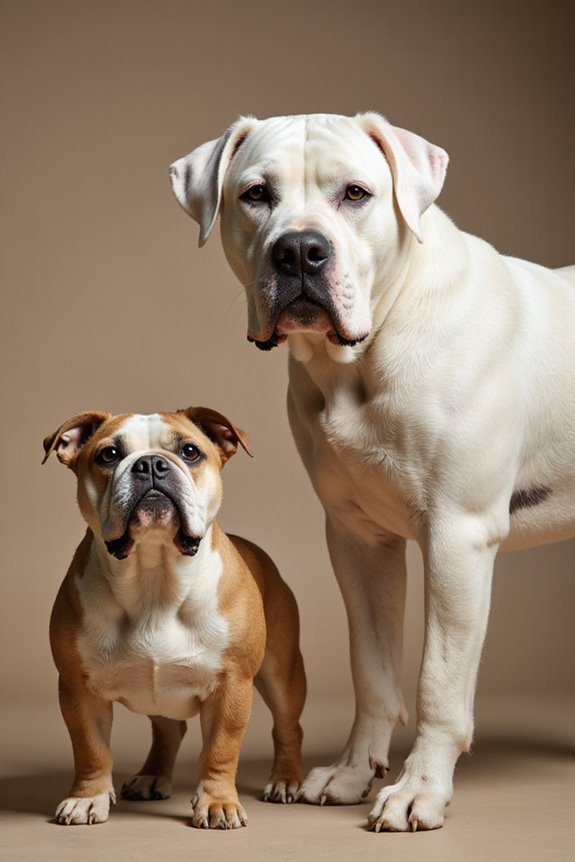


Tracking your puppy’s growth is essential for ensuring their healthy development across various stages, from birth to 18 months. During the neonatal period (0-2 weeks), monitor weight closely, as rapid growth occurs. Move to sensory developments in the changeover phase (2-4 weeks) and then focus on socialization between 4-12 weeks, where exposure to diverse stimuli is vital. Understanding the juvenile stage (3-6 months) and the challenges of adolescence (6-18 months) will aid in managing their behavioral changes. Continue to discover key insights on each phase.
Key Takeaways
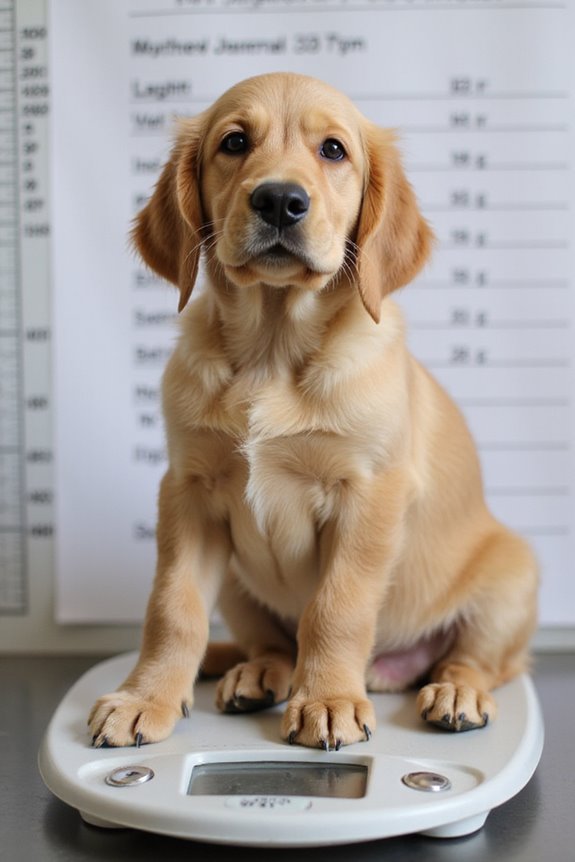
- Track your puppy’s weight weekly during the neonatal and transitional periods to ensure healthy growth.
- Monitor developmental milestones, such as walking and social behavior, especially during the socialization period from 4 to 12 weeks.
- Note breed-specific growth patterns, as weight gain during the juvenile period can vary significantly.
- Regular vet check-ups are essential for adjusting diet and monitoring health from 3 to 6 months.
- Document changes in behavior and physical traits during adolescence to identify training needs and developmental shifts.
Understanding Puppy Development Stages
You may be interested


Understanding the various stages of puppy development is essential for any prospective dog owner, as each phase presents unique challenges and opportunities. During the developmental phase, from 2 to 4 weeks, puppies begin to open their eyes and develop their senses, which marks significant developmental milestones. This period is important, as it lays the foundation for their future behavior.
Key puppy behavior changes include:
- Taking first steps
- Initiating communication with littermates
- Exposure to new experiences that shape temperament
As the socialization period unfolds, from 3 to 12 weeks, puppies learn to interact with both humans and their environment. Proper exposure to varied stimuli can greatly influence their future behavior patterns, making this phase essential for social development.
Neonatal Period: Birth to 2 Weeks
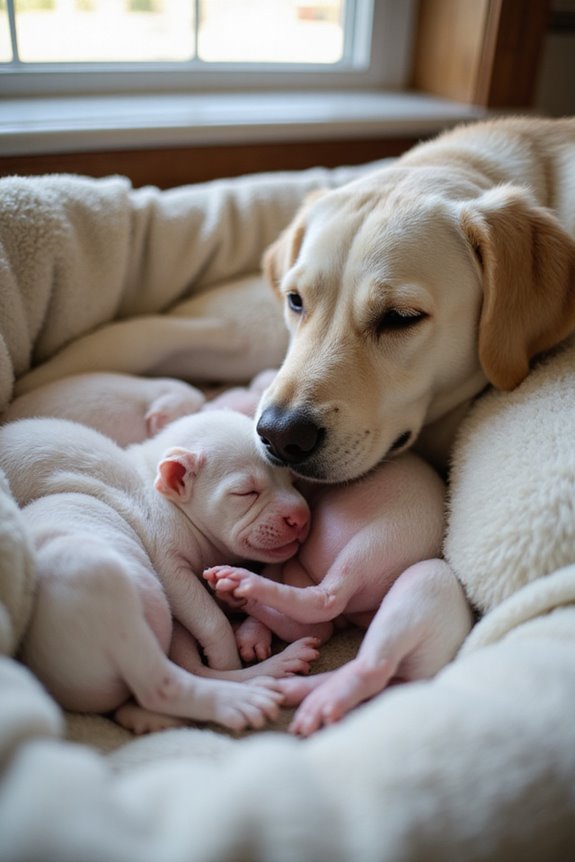
The neonatal period, lasting from birth to two weeks, is a critical time for puppies as they undergo significant physical and sensory development. During this phase, proper neonatal care is crucial for their survival.
- Puppies are born fully furred but are blind and deaf; their eyes and ears begin to open around 10-14 days.
- They can sense touch and taste, but their vision and hearing remain immature.
- Their mobility is limited, as they can only crawl and cannot support their body weight.
- Relying entirely on their mother, they depend on her for warmth and nutrition.
Rapid growth occurs, with puppies typically doubling their birth weight in the first week. Monitoring their weight daily is essential to guarantee healthy development during this early stage.
Recommended Products

COMPLETE KIT: Whelping supplies including with nursing bottles, pill shooters, newborn collars, record charts, pee pads, bulb aspirator, and other essential newborn care tools

Whelping Kit for Puppies Birth,Professional escort Reduce risks during childbirth:puppy supplies(sterile scissors/umbilical cord clip)disinfected with alcohol to avoid infection; Emergency rescue: amniotic fluid suction device solve the suffocation crisis of newborn puppies No more panic when labor starts!

ALL-IN-ONE JounLoin KIT: The JounLoin Whelping Kit includes 34 pieces of essential whelping supplies for birthing and caring for newborn puppies and kittens goats, rabbits,Cows, and etc.From umbilical cord clamps to feeding syringes, ensure a smooth and stress-free birthing experience.Pouch can be stored a full set of tools,convenient, portable.
Transitional Period: 2 to 4 Weeks

As puppies shift from the neonatal stage to the changing period between 2 to 4 weeks, they experience notable sensory and physical developments that lay the groundwork for their future growth. This period is marked by significant sensory growth, with ear canals opening around week 3, allowing puppies to hear and respond to sounds. Their eyes also open, enhancing vision to detect light and movement. Changing behaviors emerge as they begin to stand, sit, and take their first wobbly steps. Independently, they explore beyond their sleeping area, engaging with littermates and developing their personalities. Weaning starts, introducing soft food, which aligns with their growing ability to regulate temperature. This period is essential, setting the stage for their socialization.
Recommended Products

FORMULATED FOR MOTHERS & BABYDOGS: Royal Canin Small Starter Mother and Babydog Wet Dog Food is tailor-made for both the mother’s high energy needs at the end of gestation and during lactation for the nursing puppies’ optimal growth up to 2 months old

Formulated to support nursing mothers' high energy needs and puppies’ growth up to 2 months old.
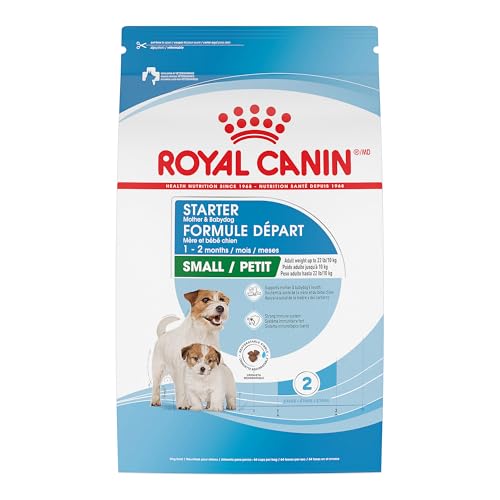
FORMULATED FOR MOTHERS & BABYDOGS: Royal Canin Small Starter Mother and Babydog Dry Dog Food is tailor-made for the mother’s high energy needs at the end of gestation and during lactation for the nursing puppies’ optimal growth up to 2 months old
Socialisation Period: 4 to 12 Weeks

Socialisation between 4 to 12 weeks is a critical phase in a puppy’s development, where they undergo significant learning experiences that shape their future behavior and interactions. During this time, the brain is particularly receptive, making it essential to employ effective socialisation techniques. Key socialisation experiences include:
- Exposure to various types of people, including different ages and sizes
- Interaction with children to foster comfort
- Meeting other dogs and animals to promote social skills
- Introduction to varied environments, such as parks or vehicles
- Familiarisation with a wide range of stimuli, from household noises to different surfaces
Proper socialisation not only builds confidence but also mitigates risks of fear or aggression later in life. Prioritising these experiences is crucial for your puppy’s growth.
Recommended Products

Stop the endless search & forget dense books. This 50-card puppy training system replaces your old dog training book. Get clear, stage by stage visual guides for everything: Housetraining, Crate Training, Biting, & Basic Cues. No more "walls of text"—just simple, actionable steps.

【Rich Dog Training Kit】 Includes a training waist bag, a silicone dog treat bag, 2 dog training clickers with wrist strap(one dark green, one black), an adjustable ultrasonic dog whistle with lanyard, a 2-in-1 dog whistle clicker (light green), a roll of dog waste bags, and a dog clicker training manual, meeting various training needs.
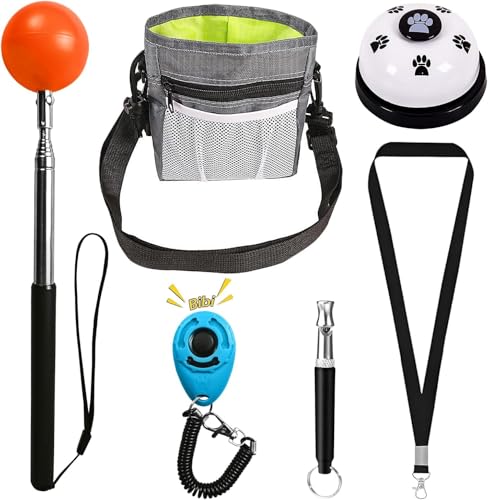
All-in-one Complete Dog Training KIt: This training kit includes Target Stick,Training Clicker,Whistle,Bell,Treat Pouch. If you love pet training than this is the product for you! Once the dog or cat has learnt to follow you can easily direct him into position.
Juvenile Period: 3 to 6 Months
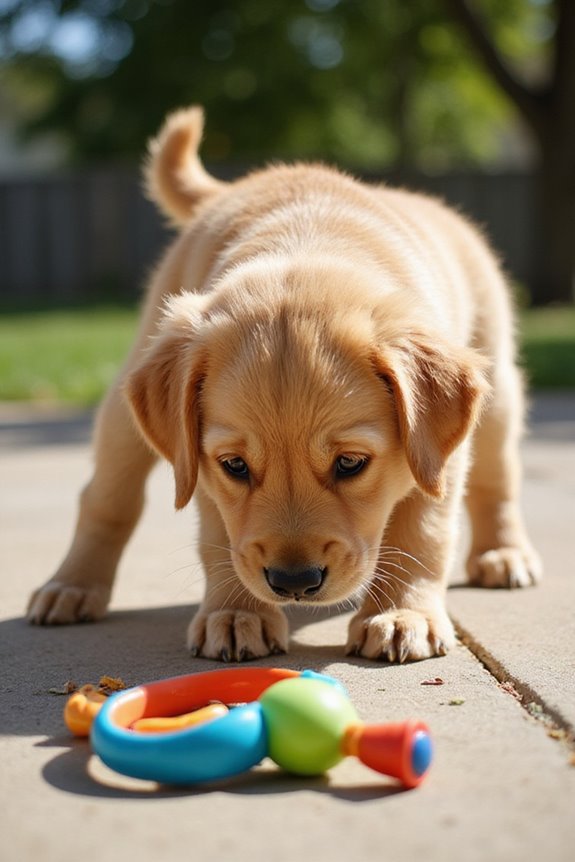
During the juvenile period, which spans from 3 to 6 months, puppies undergo significant growth and development that can profoundly affect their physical and behavioral characteristics. I’ve noticed my puppy gaining weight quickly, depending on the breed—giant breeds can gain 52 to 69 pounds by six months. It’s vital for me to focus on growth tracking during this time to guarantee steady weight gain, as deviations can signal health issues.
Nutritional adjustments are essential, requiring a high-protein diet rich in calories for proper bone and muscle development. Regular vet consultations help me tailor their diet, monitoring for potential issues like hip dysplasia. This period also sees heightened independence and energy levels, so I prioritize exercise and continued social interactions to support their growth.
Recommended Products

Crunchy kibble combined with tender, shredded pieces for delicious taste and texture

High-Protein Dog Food: Puppy food with real lamb as the first ingredient in a high-protein formula to support lean muscle growth.

Real chicken is the number one ingredient in this dry food for puppies to help provide the protein he needs for strong, growing muscles, including a healthy heart
Adolescence: 6 to 18 Months
Entering the adolescent phase of puppy development, which ranges from 6 to 18 months, represents an important shift where significant physical and behavioral changes occur. During this time, your puppy’s brain fully develops, enhancing their learning capacity. However, this developmental leap brings about behavioral changes, such as increased energy and testing boundaries.
Key aspects to reflect on include:
- Training challenges arise as your puppy desires more independence and may be less compliant.
- Female puppies may experience their first heat cycle, while males show heightened interest in females.
- Adult teeth will replace their milk teeth around 7 months, and growth plates will close by the end of this phase.
Consistent training and patience are crucial to navigate this dynamic stage successfully.
Recommended Products

Small Dog Harness - Recommended Breeds: Small Dogs, such as Beagle, Dachshund, Corgi, Pug, Puggle, Terrier, etc. Please measure the size carefully before purchasing this present for your puppy. Make your puppy stand out with this Classic Black Harness!

Attention: Sizing does Not directly correspond to your pet's breed. Please be sure to Measure your pet According to the Size chart to determine the best fit before ordering. If your pup is between sizes order the larger size, and please contact us with any questions.

Attention: Sizing does Not directly correspond to your pet's breed. Please be sure to Measure your pet According to the Size chart to determine the best fit before ordering. If your pup is between sizes order the larger size, and please contact us with any questions.
Frequently Asked Questions
How Do I Determine My Puppy’s Breed Size?
To determine your puppy’s breed size, I suggest observing its characteristics, considering its parents’ sizes, and researching breed specifics. Combining these insights will help you gain a clearer picture of your furry friend’s future growth.
What Are Signs of Healthy Puppy Weight Gain?
I’ve noticed that healthy puppy weight gain shows up as consistent growth milestones, with ribs easily felt, a defined waist, and boundless energy. Keeping an eye on these signs makes me feel reassured about their development.
When Should I Switch to Adult Dog Food?
Did you know small breeds mature by 9-12 months? When shifting to adult dog food, I consider puppy food shift duration and adapt to my dog’s individual needs and health. It’s all about finding that perfect adult diet!
How Often Should I Vet Check During Growth?
When I first got my puppy, I learned that regular vet checkups are essential. Following the puppy vaccinations schedule helped me track growth milestones, ensuring my fur baby remained healthy and happy during those early months.
What Supplemental Nutrients Might My Puppy Need?
I know puppy nutrition can feel overwhelming. For growth supplements, I’d suggest focusing on important fatty acids, calcium, and vitamins. They’re essential for your puppy’s development, helping guarantee they thrive during those critical early months.