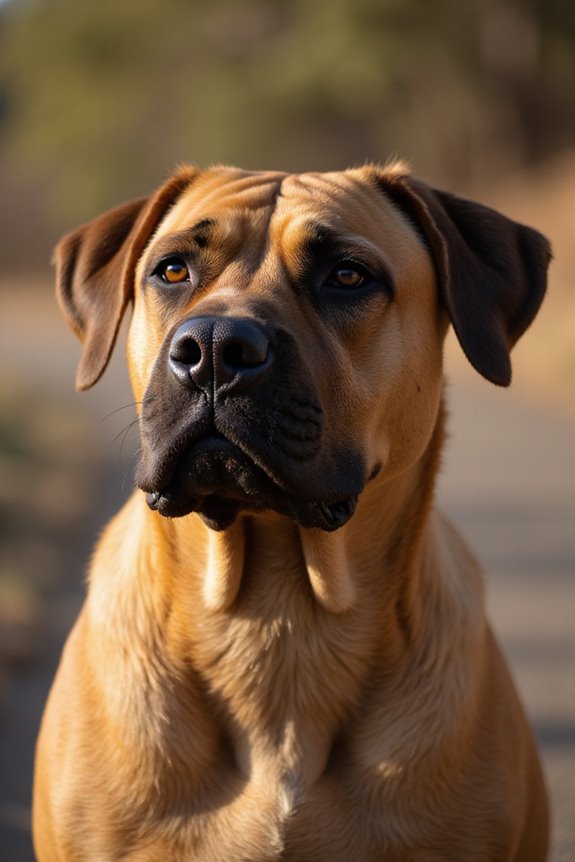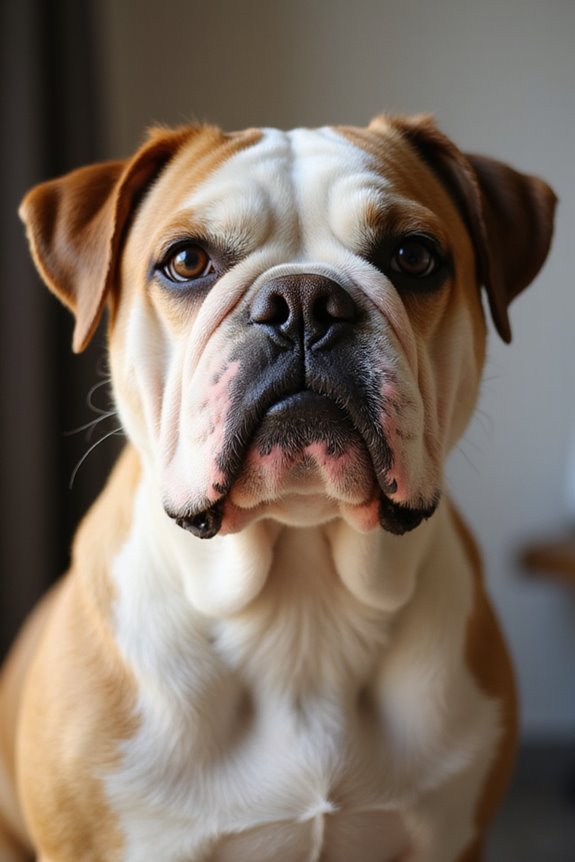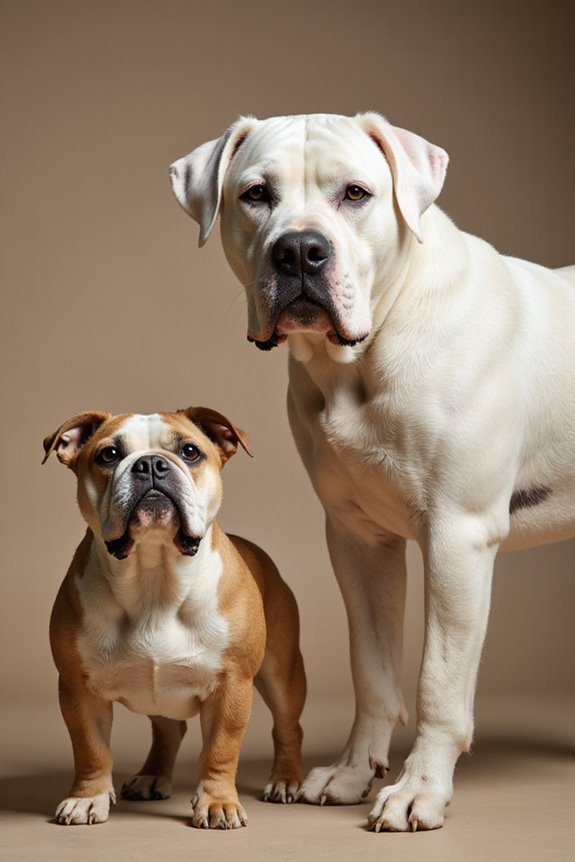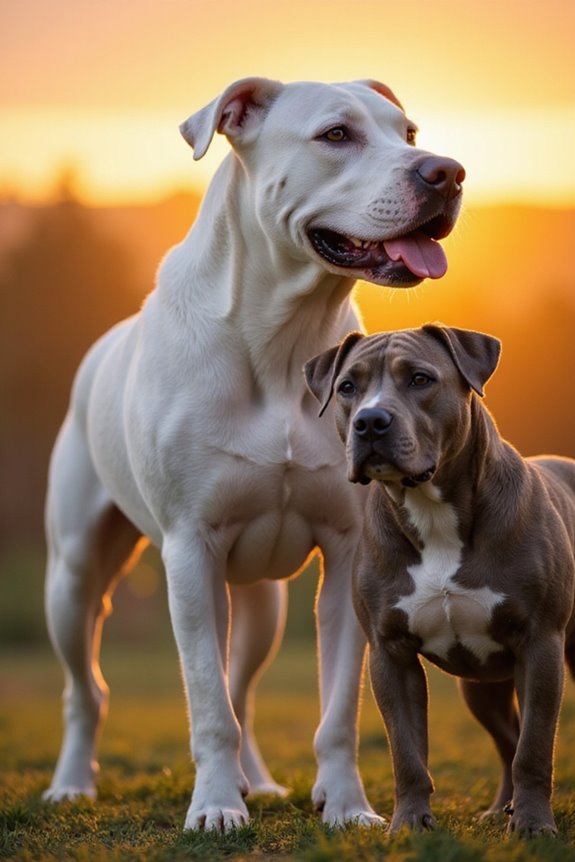
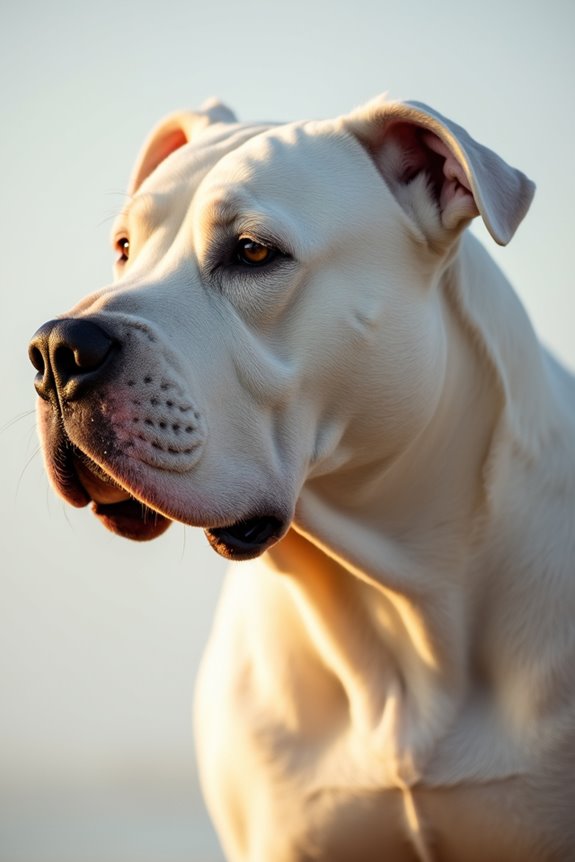

The Dogo Argentino and Guatemalan Dogo both have distinct origins and purposes in the domain of Latin mastiffs. The Dogo Argentino, developed for hunting large game in Argentina, exhibits a muscular build and high prey drive. In contrast, the Guatemalan Dogo’s origins remain speculative. Both breeds require early training and socialization for proper temperament. Health concerns vary, with the Dogo Argentino facing issues like hip dysplasia. For more insights into their characteristics, keep exploring this comparison.
Key Takeaways
- The Dogo Argentino is a well-documented breed, specifically developed for hunting large game in Argentina, unlike the Guatemalan Dogo with unclear origins.
- Dogo Argentinos typically weigh between 80 to 105 pounds and feature a short, white coat with a dark spot, representing strength and athleticism.
- The Dogo Argentino displays loyalty and affection but has a high prey drive, requiring early socialization, while the Guatemalan Dogo is known for its protective instincts.
- Lifespan differs, with Dogo Argentinos living 9 to 15 years, compared to the Guatemalan Dogo’s 8 to 12 years, generally shorter than other breeds.
- Adoption and breeder costs for a Dogo Argentino range significantly, highlighting its popularity and demand compared to the less documented Guatemalan Dogo.
Origin and Purpose
You may be interested
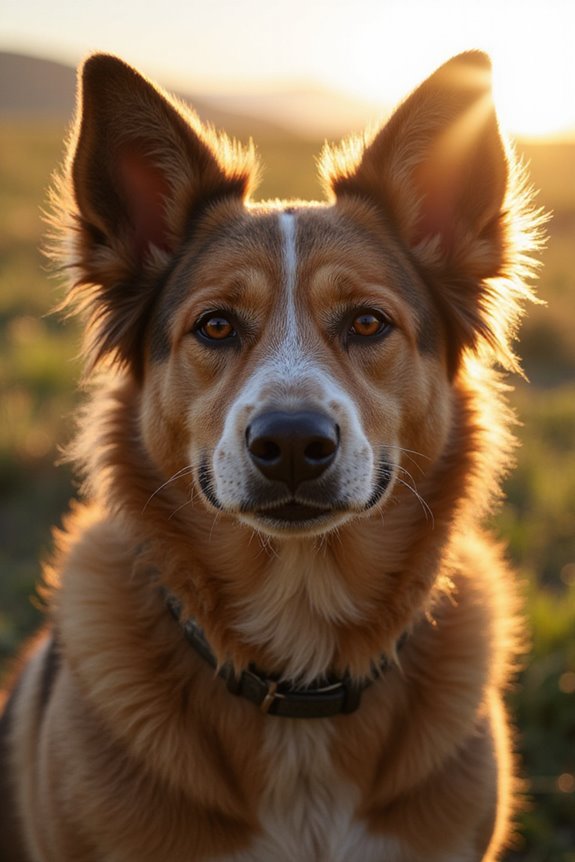
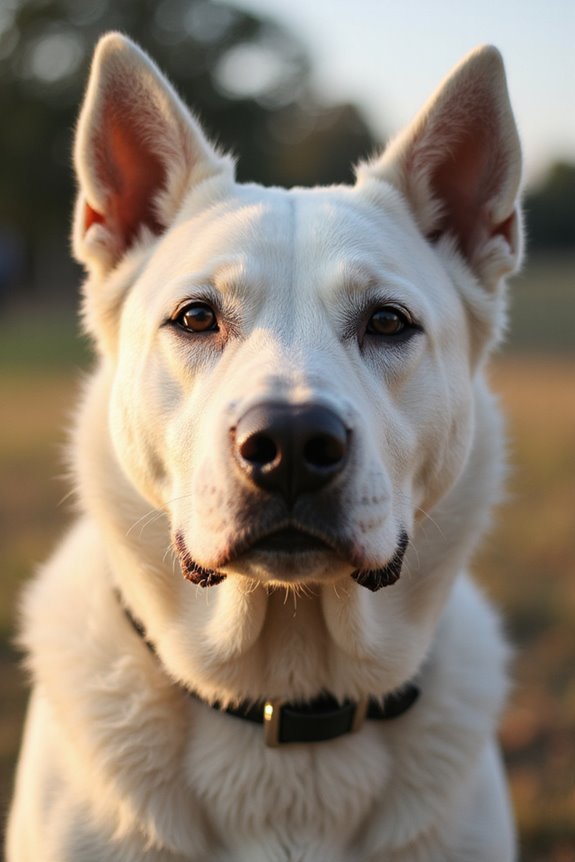
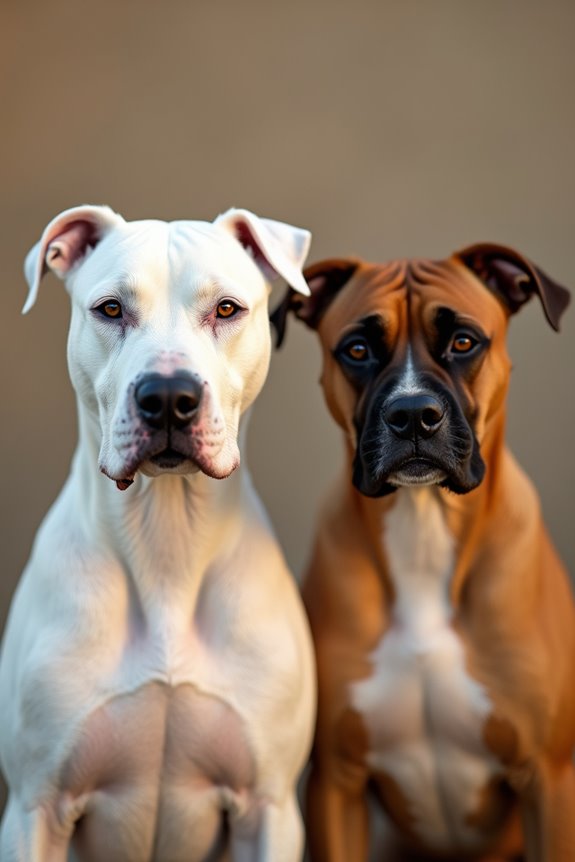
When discussing the origins and purposes of dog breeds, it’s important to recognize the significance of their development. The Dogo Argentino, developed in Córdoba, Argentina, showcases a robust breeding history aimed at hunting large game, such as wild boars and pumas. Created by Dr. Antonio Nores Martinez in the 1920s, this breed originated through the careful crossbreeding of multiple dogs, including the Córdoba Fighting Dog and Bull Terrier. Its remarkable hunting skills were honed over time, making it efficient in diverse terrains and challenging weather conditions. In contrast, the Guatemalan Dogo lacks documented origins or recognition, leaving its specific purpose and breeding history speculative. As a potential mastiff-type breed, it may share similarities with others in temperament and utility.
Physical Characteristics
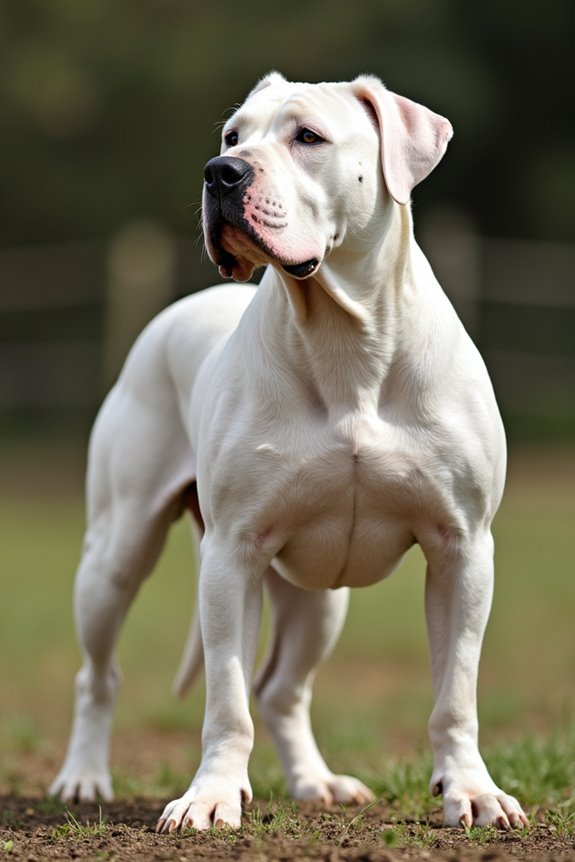
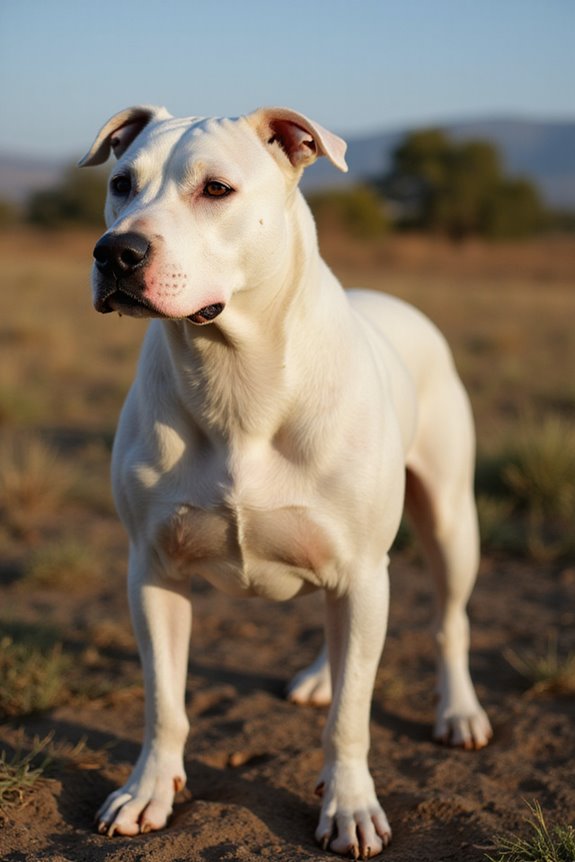
The Dogo Argentino stands out due to its impressive physical characteristics, which are tailored for both utility and aesthetic appeal. This breed is quite large, typically weighing between 80 to 105 pounds, with males being slightly bigger than females. With regard to height, they stand about 24 to 27 inches at the shoulder, giving them an imposing presence.
Their coat is short, smooth, and dense, primarily white, only permitting a small dark spot on the head. This uniform coat texture not only enhances visibility during hunts but also makes maintenance straightforward. With a muscular build and robust frame, the Dogo Argentino combines strength with an athletic posture, showcasing its heritage as both a companion and a working dog.
Recommended Products

SAVE MONEY: Reduce expensive trips to the groomer. Our dog shedding brush works great as a dog brush for short haired dogs & dog brush for long haired dogs. It is an absolute essential for pet supplies, dog supplies, and a dog grooming kit.

DUAL-SIDED DESIGN: Our Undercoat Rake Dog brush is perfect for deshedding your pet's coat. Designed with a dual-sided design, start with a 9-teeth side to tackle stubborn mats and tangles, and finish with a 17-teeth side to thin out and deshed after.

Pet Hair Remover: MIU COLOR Pet Grooming Brush is the ideal grooming dog hair brush to effectively reduce pet hair loss. Removes hair from cats and dogs of all sizes - short;medium and long hair dog combs. Get rid of annoying hair in your home or car
Temperament and Behavior
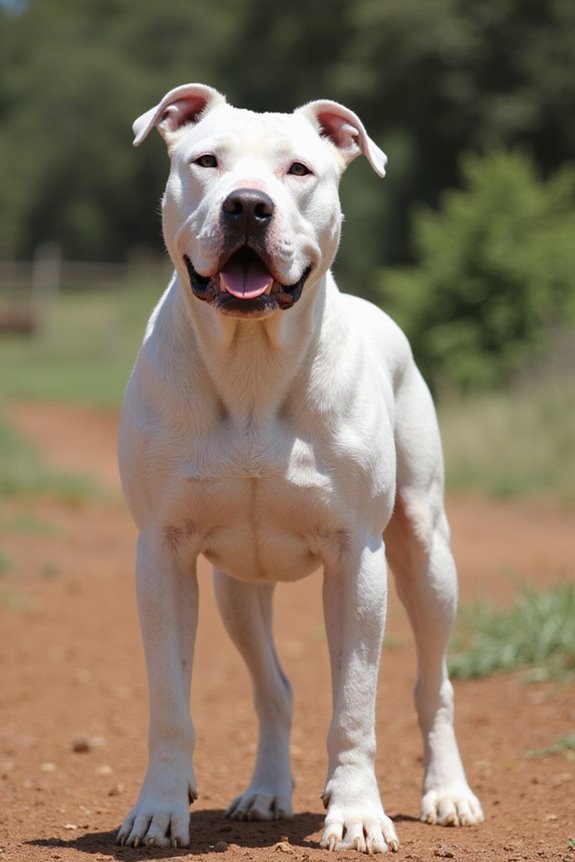
Understanding the temperament and behavior of both the Dogo Argentino and the Guatemalan Dogo is essential for potential owners and enthusiasts.
Dogo Argentino
- Exhibits loyalty and affection towards family members.
- Socialization techniques are vital, helping them become more welcoming to strangers.
- Possesses a high prey drive, necessitating supervision around smaller pets.
- Requires early and consistent training to manage energy and behaviors.
Guatemalan Dogo
- Displays strong protective instincts and loyalty to family.
- Can be reserved with strangers; socialization is key.
- May exhibit territorial behavior, requiring firm leadership.
Both breeds need early socialization and positive reinforcement to develop well. Understanding these traits will lead to better training and behavior management for both breeds.
Recommended Products

IDEAL FOR 21-40 LB DOGS: Measures 30.5 x 19.25 x 21.5 inches - perfect for French Bulldogs, Welsh Terriers, Dachshunds & similar breeds. For dogs near 40 lbs, consider sizing up to our 36-inch model so they have plenty of room to get comfortable.


IDEAL FOR 41-70 LB DOGS: Measures 36.5 x 23.25 x 24.75 inches - perfect for Bulldogs, Beagles, Whippets & similar breeds. For dogs near 70 lbs, consider sizing up to our 42-inch model so they have plenty of room to get comfortable.
Health and Longevity
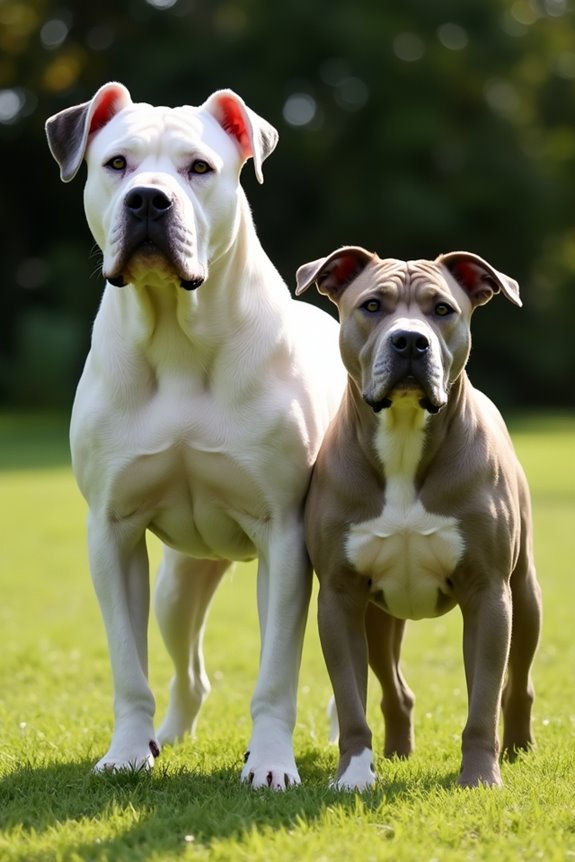
Health and longevity are critical factors to take into account when choosing between the Dogo Argentino and the Guatemalan Dogo.
- Dogo Argentino:
- Lifespan: 9 to 15 years, moderate for large breeds.
- Health concerns: Includes hip dysplasia, deafness, and skin issues. Dental disease can reduce lifespan considerably.
- Genetic screening can mitigate risks, improving health stability.
- Guatemalan Dogo:
- Lifespan: Generally 8 to 12 years, shorter than smaller breeds.
- Health concerns: Prone to joint issues, heart problems, and dental health issues.
- Genetic testing is advised for identifying hereditary health risks.
Both breeds require proper veterinary care, nutrition, and exercise to manage lifespan factors effectively, ensuring a better quality of life.
Recommended Products

Joint Health Supplement for Dogs: Cosequin is the #1 vet recommended retail joint health supplement brand, supporting joint health in dogs for over 25 years

Health Supplement for Dogs: VetIQ hip and joint chews for dogs are soft and a great way to support mobility, whether they love running, jumping, playing, or resting; They suit senior pets or those who need extra support staying active & comfortable

Joint Health Supplement for Dogs - Cosequin is the #1 vet recommended retail joint health supplement brand▼, supporting joint health in dogs for over 25 years.
Training and Handling

Training and handling a Dogo Argentino requires a thoughtful approach, especially considering their robust nature and unique temperament. Here are some effective strategies to adopt:
- Early Training Foundations:
- Introduce the leash indoors and use positive reinforcement, such as treats and praise.
- Establish a routine for feeding, exercise, and training.
- Socialize your puppy with various people and environments early on.
- Teach them to accept grooming and vet visits calmly.
- Use simple commands with clear communication.
- Focus on positive methods to build respect.
- Dogo Argentino:
- Recognized by the AKC in 2020, adding to its prestige.
- Ranks 52nd in breed popularity in the U.S. with 57% public awareness.
- Known for its cultural significance in hunting and companionship.
- Guatemalan Dogo:
- Lacks recognition from major kennel clubs, limiting its global presence.
- Primarily popular in Guatemala, emphasizing local pride but overshadowed internationally.
However, expect handling challenges due to their strong-willed nature; consistency and patience are key to effective training.
Recommended Products

Highly Palatable with natural pork liver base

Start Off on the Right Paw: Perfect Trainers bring joy to everyday training and rewarding; soft and chewy treats made with simple and healthy ingredients; Great for dog training and portion control; 6 Ounces, 1 Pouch

BUDDY TRAINING BITES: These bite-sized treats are chock full of meaty flavor from appetizing pork liver as the 1st ingredient, so they are easy to eat and perfect for dogs of all ages.
Cost and Adoption
How much should you expect to invest when adopting a Dogo Argentino or Guatemalan Dogo?
Adoption fees for a Dogo Argentino typically range from $50 to $300. If you opt for a breeder, costs can soar between $1,500 and $4,000. Initial setup expenses, including a bed and grooming supplies, may cost an additional $250 to $500. Don’t forget essential vaccinations, which can add another $100 to $300.
While these upfront costs are significant, long-term expenses also demand consideration. Ongoing expenses such as food, grooming, and veterinary care, along with potential training, can accumulate over the years. Preparing for these financial commitments guarantees you’ll be ready for the rewarding journey of pet ownership.
Recommended Products

Grooming and Vacuuming All at Once : Our pet grooming clippers with vacuum function, can collects 99% of pet hair into a vacuum container. The removed loose hair will be sucked into the vacuum dust box directly when grooming pet hair, no mess, keep your home neat and clean. Even if you are a novice, you can easily complete home grooming

All-in-One Dog Paw Trimmer: Replace 4 tools with 1 pro-grade dog trimmer for grooming! Trim pet body coats, shave sensitive dog paw trimmer areas, detail face/ears, grind nails, and remove mats – no extra blades needed. Suitable for full-body care in 15 minutes
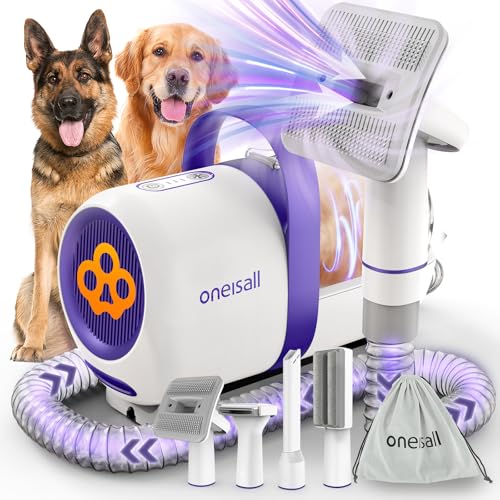
Oneisall Dog Grooming Kit Slove Hair Shedding Between Seasons:Traditional home grooming tools often lead to hair flying around, especially during hair shedding between seasons. However, our dog vacuum brush for shedding grooming collects 99% of pet hair into a vacuum canister while brushing, ensuring a clean and tidy home with no more dog hair flying all over
Popularity and Recognition
When considering the popularity and recognition of dog breeds, it’s essential to highlight the stark contrasts between the Dogo Argentino and the Guatemalan Dogo.
In breed comparisons, the Dogo Argentino’s media visibility and acceptance greatly enhance its popularity, while the Guatemalan Dogo remains a niche breed with a more localized following.
Frequently Asked Questions
What Are the Primary Differences in Historical Origins of Both Breeds?
Delving deeper into dog breeds, I discern distinct differences in breed lineage and cultural significance: the Dogo Argentino boasts a well-defined, documented history, while the Guatemalan Dogo’s origins are more organic and locally influenced.
How Do They Perform in Dog Sports or Competitions?
When I think about dog sports, I see Dogo Argentinos excelling in agility trials with their impressive speed and intelligence, while I’ve heard the Guatemalan Dogo shines in weight pulling, demonstrating their strength and dedication.
Are There Specific Dietary Requirements for Each Breed?
Did you know large breeds like these often consume 20% more protein than smaller dogs? Both need strict nutritional needs and feeding guidelines to keep them healthy, emphasizing quality proteins and healthy fats. It’s essential!
What Unique Challenges Do Owners Face With Each Breed?
Owning either breed brings unique challenges. I’ve found that training challenges and temperament management are essential. Both demand commitment, space, and consistent guidance to thrive, ensuring a loving and well-adjusted companion journey together.
How Do Environmental Factors Influence Their Behavior?
Did you know that dogs thrive in environments with at least 30 minutes of daily exercise? I’ve found that environmental enrichment greatly helps curb behavioral triggers, keeping my furry friends happy and balanced in their surroundings.