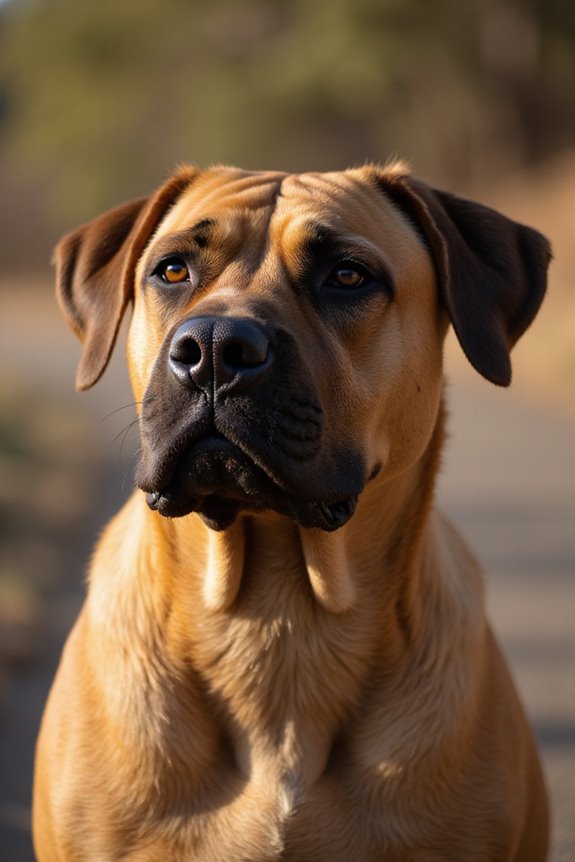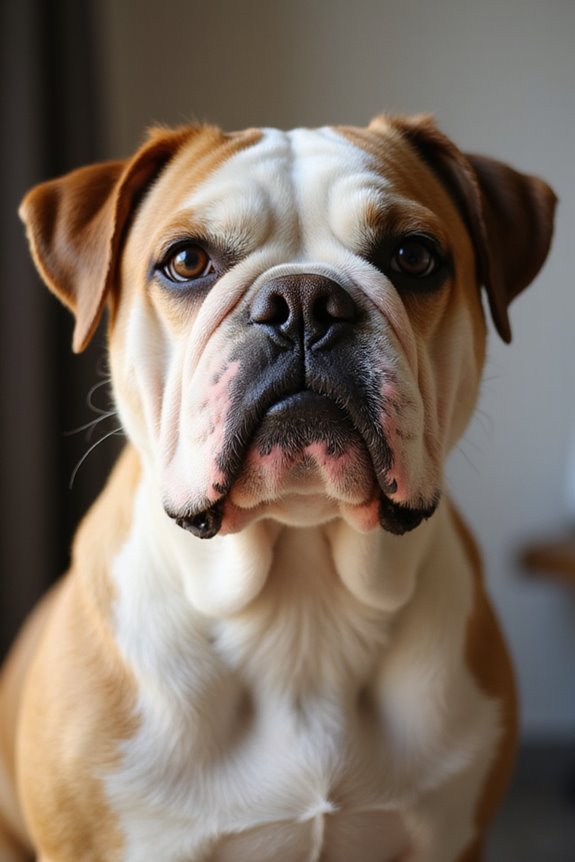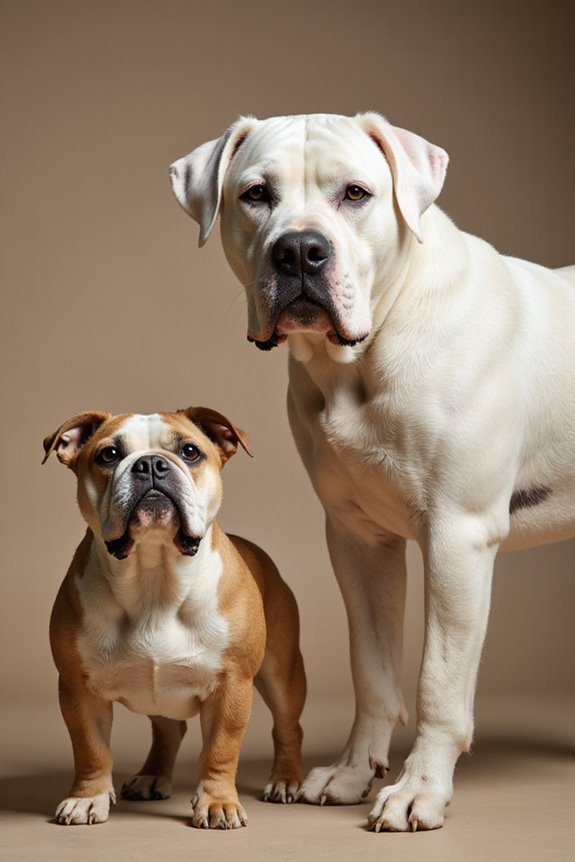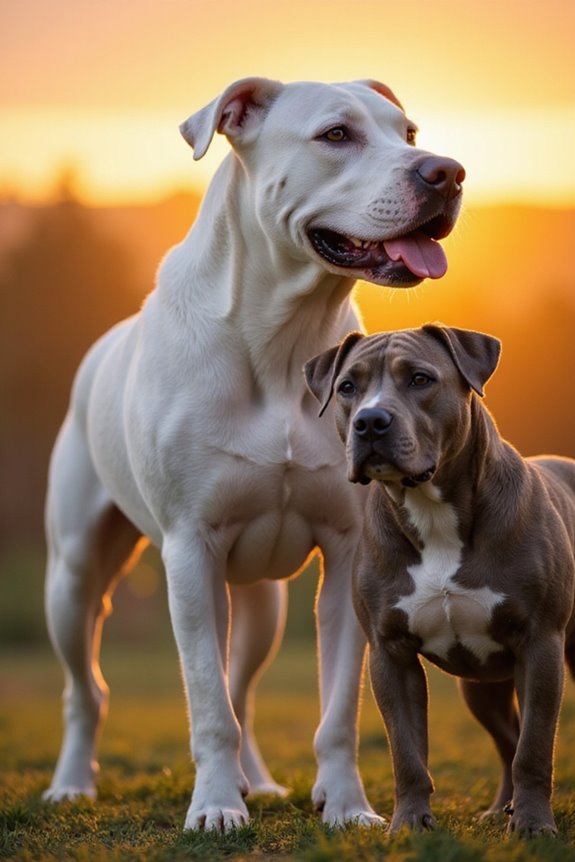
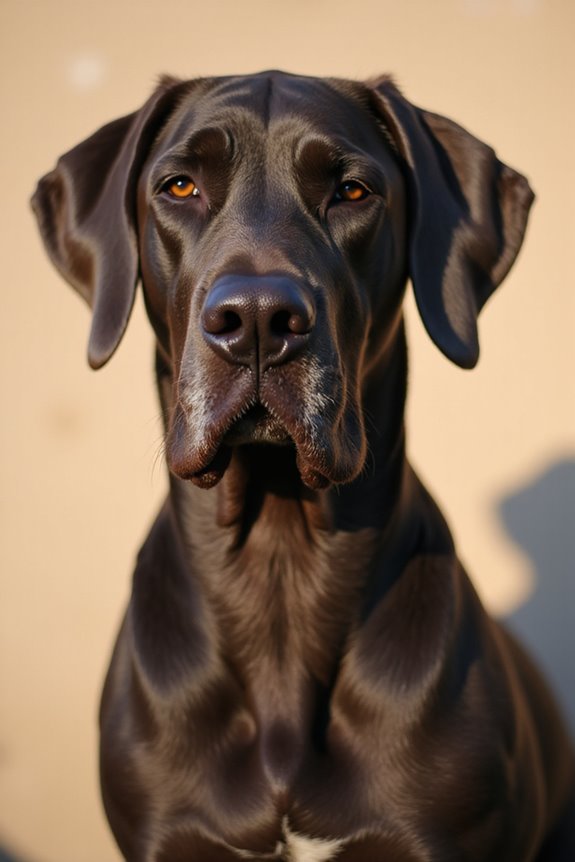

The Great Dane, known as “America’s Gentle Giant,” originates from Germany, initially bred for hunting wild boars. These dogs typically stand at least 30 inches tall, with males being more massive than females. Their friendly temperament and sociability make them great companions, especially with children. However, their lifespan averages only 6.5 to 10 years due to health issues such as cardiomyopathy and bloat. Proper care, including regular exercise and health screenings, is essential. Continue on to discover more about this remarkable breed.
Key Takeaways
- The Great Dane, originally known as “Boar Hounds,” is famous for its large size and gentle temperament, earning the title “gentle giant.”
- These dogs are sociable and affectionate, thriving on human interaction and making them ideal companions for families and children.
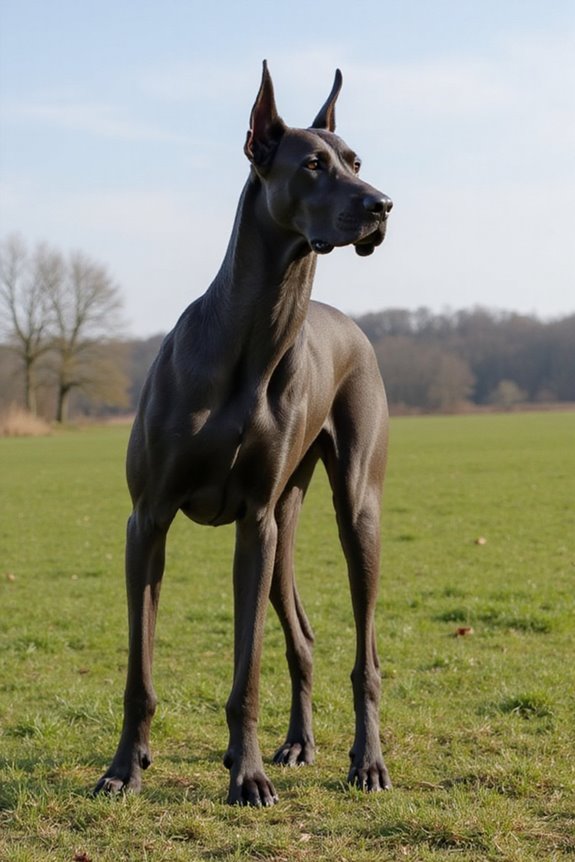
- With height standards of at least 30 inches for males and 28 inches for females, Great Danes have a distinctive square body shape.
- Common health issues for Great Danes include bloat and heart problems, making regular veterinary check-ups vital for their well-being.
- Their short coat requires minimal grooming, with weekly brushing and occasional baths to maintain their natural oils.
History and Origin of the Great Dane
You may be interested
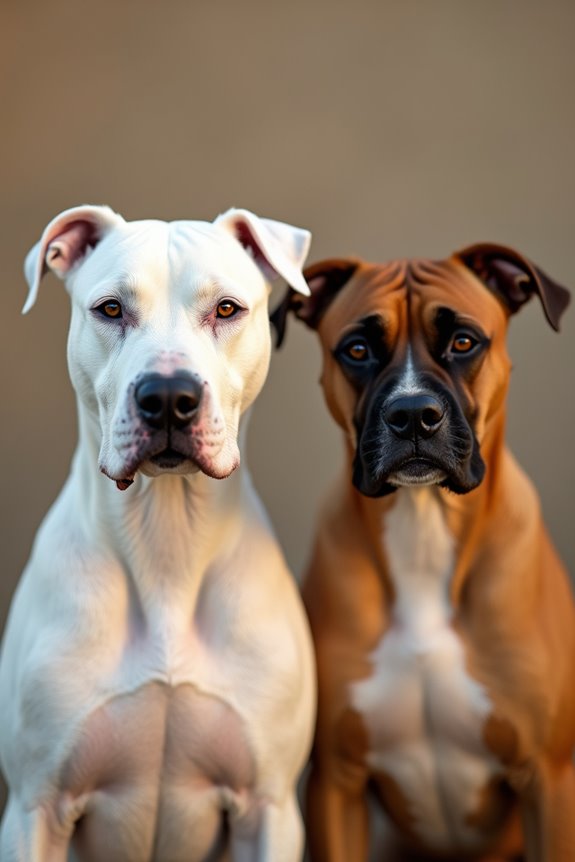
The history and origin of the Great Dane reveal a fascinating blend of purpose and evolution. These majestic dogs actually originated in Germany, yet ironically carry the name of Denmark. Known initially as “Boar Hounds,” their ancestors were bred for hunting wild boars, showcasing their strength and agility. The Great Dane’s historical significance is underscored by their lineage, which combines Mastiff-type dogs and Irish Wolfhounds, achieving a harmonious mix of power and elegance. Artistic depictions from ancient Egypt hint at their long-standing presence in human culture. As time progressed, their role shifted from fierce hunters to beloved companions, reflecting societal changes and a deepened bond with humans. Each aspect of their evolution speaks to the breed’s rich heritage.
Physical Characteristics of Great Danes

When considering the physical characteristics of Great Danes, it is essential to recognize their impressive stature and strength. Mature males typically stand at least 30 inches tall, while females reach a minimum of 28 inches, showcasing balanced size proportions. Their bodies are square, with height equal to body length. The coat, short and smooth, exhibits various colors, including fawn, brindle, and harlequin. This sleek appearance highlights their muscular build.
Key aspects include:
- Size Proportions: Males are generally more massive than females.
- Coat Colors: Common colors range from blue to black, ensuring they stand out while requiring minimal grooming.
These qualities contribute to the dignified presence of this remarkable breed.
Recommended Products

SAVE MONEY: Reduce expensive trips to the groomer. Our dog shedding brush works great as a dog brush for short haired dogs & dog brush for long haired dogs. It is an absolute essential for pet supplies, dog supplies, and a dog grooming kit.

DUAL-SIDED DESIGN: Our Undercoat Rake Dog brush is perfect for deshedding your pet's coat. Designed with a dual-sided design, start with a 9-teeth side to tackle stubborn mats and tangles, and finish with a 17-teeth side to thin out and deshed after.
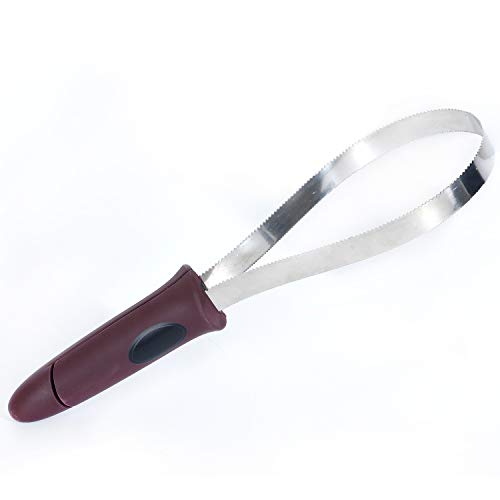
SOFT ERGONOMICALLY DESIGNED HANDLE-Which comfortably forms to your hand. It's a non-slip handle grip. No matter which way you hold, it dramatically maximizes your control while grooming.
Temperament and Behavior Traits

Understanding the temperament and behavior traits of Great Danes reveals much about why they are often referred to as “gentle giants.” Not only do they exhibit remarkable friendliness towards both family and strangers, but their sociable nature demands significant human interaction to thrive. Here are key traits to reflect upon:
- Sociability Traits: Their affectionate demeanor makes them great companions, often seeking physical closeness.
- Interaction with Children and Other Pets: Great Danes are patient with kids and generally get along well with other animals.
- Protective Instincts: While mainly friendly, they possess a strong guarding instinct, ensuring their family’s safety.
With proper training and socialization, their sociability and protective instincts can harmoniously co-exist, creating a loyal, loving companion.
Health Considerations and Lifespan

Health considerations and lifespan are critical aspects to contemplate when owning a Great Dane, especially since their large size notably impacts their overall well-being. Typically, their lifespan ranges from 6.5 to 10 years, which is considerably shorter compared to smaller breeds.
Key health issues include:
- Dilated cardiomyopathy (heart disease)
- Gastric dilatation-volvulus (bloat)
- Hip dysplasia
- Osteosarcoma (bone cancer)
To enhance their health, I recommend regular health screenings focusing on cardiac and orthopedic assessments. Adequate attention to their dietary needs is also essential; large-breed-specific diets help manage growth rates and maintain a healthy weight. Preventive care, including monitoring for genetic conditions, can greatly improve their quality of life and possibly extend their years with us.
Recommended Products

COMPREHENSIVE JOINT SUPPORT: 10-ingredient formula including Glucosamine, Chondroitin, MSM, Turmeric, and Green Lipped Mussel reduces discomfort and improves mobility in large breed and senior dogs

[Dog Joint Pain Relief] Dog joint and hip supplement provides relief for dogs from joint discomfort they may be facing. Dog joint chews are rich in natural ingredients. The ingredients in dog glucosamine chews can reduce discomfort and dog joint pain relief in dogs by reducing swelling and redness. Joint supplements for dogs are gentle on dog's joints and improves dog's comfort. Joint health supplement for dogs allow dogs to enjoy a happy life

Advanced Hip & Joint Support: Formulated with glucosamine and chondroitin, these hip and joint chews for dogs promote healthy hips and joints in dogs, potentially reducing stiffness and improving overall joint health
Care and Maintenance Requirements
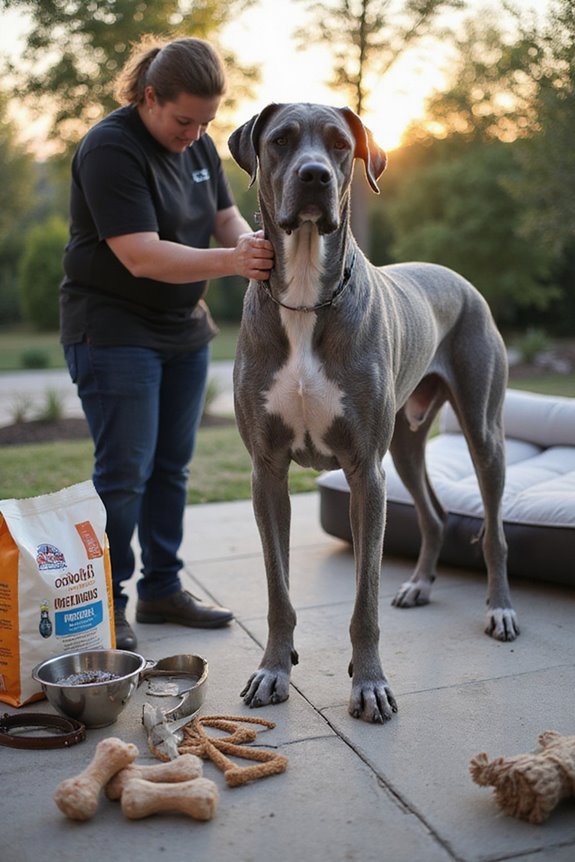
Caring for a Great Dane involves several essential practices that guarantee their well-being and longevity.
Grooming Techniques:
- Brush at least once a week to control moderate shedding.
- Bathe only when necessary to preserve natural oils.
- Trim nails regularly to prevent discomfort; avoid cutting the quick.
- Monitor eyes for any signs of irritation; consult a vet if needed.
- Regular grooming helps maintain a pet’s coat health.
Exercise Routines:
- Aim for 30 to 60 minutes of daily exercise, divided into two or three walks.
- Adjust routines to protect their joints, avoiding strenuous activities.
- Incorporate mental stimulation along with physical exercise for balanced health.
Recommended Products
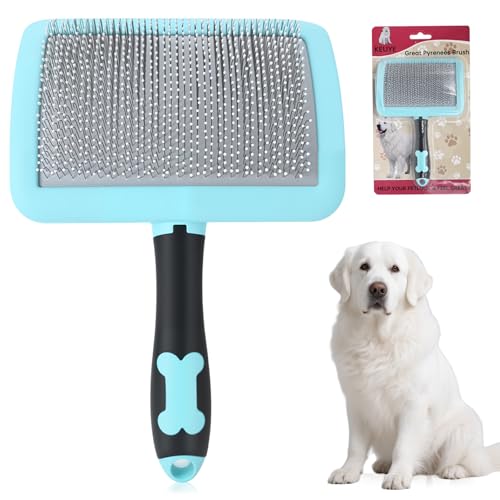
Unique Curved Design:This great pyrenees brush features a curved surface design that effectively conforms to the pet's body,making grooming easier

【Professional Pet Grooming Kit 】3 Pet grooming tools selected by pet lovers, which can meet daily all the grooming needs of pets. Let you, as the groomer, personally give your furry friend a shiny and healthy coat. This is a must-have beauty product set for pet lovers! The Best Dog Gifts - Merry Christmas

🐾【 3 In1 Dog Brushes for Grooming】2 Pet grooming tools selected by dog lovers, which can meet daily all the grooming needs of pets. Let you, as the groomer, personally give your furry friend a shiny and healthy coat. This is a must-have beauty product set for pet lovers! It is also the best gift for your pet!
Great Danes in Popular Culture
While many people may associate Great Danes with their impressive size and gentle demeanor, their representation in popular culture significantly contributes to the breed’s charm and appeal. Iconic Great Dane adaptations, like Scooby-Doo and Marmaduke, showcase their playful, comedic traits while highlighting their gentle giant nature. Scooby-Doo, designed with exaggerated features, endears himself through his lovable, albeit cowardly, character. Similarly, Marmaduke’s antics create relatable situations that resonate with audiences. The breed’s symbolism extends beyond humor; these canines embody nobility and protective guardianship, linking back to their history as protectors in German nobility. This duality reinforces their role as both loyal companions and majestic figures in film and television, making Great Danes enduring cultural icons.
Training and Socialization Tips
Training and socialization are critical components in raising a well-adjusted Great Dane, especially given their large size and strong personalities.
- Start Early: Begin socialization techniques at 8 weeks. Expose your puppy to various people, animals, and environments to build confidence.
- Positive Reinforcement: Use treats or praise immediately to reward desired behaviors during training sessions.
- Basic Commands: Focus on essential commands like sit, stay, and come, using consistent verbal cues alongside hand signals.
- Short Sessions: Keep training to 10–15 minutes to maintain your Dane’s interest.
- Leash Training: Introduce leash and harness training early to encourage polite walking.
Consistent routines, along with positive reinforcement, will help you foster a well-mannered companion.
Recommended Products

Large Dog Harness - Recommended Breeds: Medium to Large Dogs, such as Siberian Husky, Labrador, German Shepherd, Akita, Chow Chow, Schnauzer Giant,American Pit Bull Terrier, etc. Please measure your dog's neck and check girth carefully before purchasing this present for your puppy. Make your puppy stand out with this Classic Black Harness!

【No Pull & No Choke Design】: This harness simply goes through the dog's head, snaps on the belly and that's the end of it. Besides, the D-ring on the chest strap is used for no pull dog training and guiding direction, and the O-ring on the back is used for daily dog walking. The triangular design on both sides of this no pull harness helps to distribute the pulling force, so you don't have to worry about the dog choking when suddenly pulling.

Dog Harness for Large Dogs, Recommended Breeds: Large Dogs, such as Anatolian Shepherd, Newfoundland, Labrador, Alaska Malamute, German Shepherd, Large Bulldog, Irish Wolfhound, Bull Mastiff, Pyrenean Mastiff, Spanish Mastiff, Rottweiler, Boxer, Great Dane, Mastiff etc. Please measure the size carefully before purchasing this present for your puppy
Responsible Ownership and Breeding Practices
Responsible ownership and breeding practices are essential to ensuring the health, well-being, and longevity of Great Danes. As a prospective owner or breeder, it’s important to prioritize responsible breeding. This includes:
- Conducting health screenings for hips and hearts, reducing hereditary risks like hip dysplasia and dilated cardiomyopathy.
- Maintaining a calm, enriched environment for puppies, encouraging adaptability and good temperament.
Ethical ownership also plays a significant role. Owners must educate themselves on care, nutrition, and health management specific to Great Danes. Support from breeders extends beyond the sale, guiding you on recognizing health issues and fostering a strong veterinary relationship.
Recommended Products

Perfect tasty blend of Glucosamine, Chondroitin, Perna Canaliculus, and Omega-3 Fatty Acids. Dogs love the taste. They think it is treat time!

Perfect tasty blend of Glucosamine, Chondroitin, Perna Canaliculus, and Omega-3 Fatty Acids. Dogs love the taste. They think it is treat time!

A COMPLETE CANINE SUPPLEMENT - A multivitamin (Vitamins A, B, C, D, E, K & other minerals) PLUS Essential Fatty-Acids for Skin & Coat Support, Glucosamine for Hip & Joint Support AND Probiotics to promote the absorbtion of nutrients for Digestion and Gut Health.
Frequently Asked Questions
How Much Does It Cost to Adopt a Great Dane?
Adoption fees for Great Danes can range from $500 to $650. I recommend checking with a breed rescue; they often cover essential vet care, making it a loving choice for both you and your future companion.
Do Great Danes Get Along With Other Dog Breeds?
I’ve found that with proper socialization techniques, Great Danes can get along beautifully with other breeds. Their gentle nature enhances breed compatibility, fostering friendships when introduced thoughtfully and positively in shared spaces. It’s truly rewarding to see!
What Type of Leash Is Best for a Great Dane?
When choosing the best leash for my Great Dane, I swear by six-foot nylon or leather leashes. Their sturdy materials offer comfort and control, making every walk a delightful adventure for both of us.
Can Great Danes Live in Apartments?
Absolutely, Great Danes can thrive in apartment living! Just make sure you provide enough space for them to move comfortably and commit to regular outdoor exercise. They’ll be your gentle giants in no time!
Are Great Danes Good With Young Children?
Honestly, it’s like having a gentle giant playmate! Great Dane behavior is typically sweet, and their temperament shines around kids. With love, training, and supervision, these dogs can create lifelong bonds with young ones, delightfully!