

Determining how much exercise your dog needs daily depends on several factors, including breed, age, size, and health. Generally, small breeds need about 15-30 minutes, while medium-sized dogs require 24-36 minutes. Large, younger breeds often need 45-68 minutes or more. Seniors may benefit from low-impact activities tailored to their comfort. Additionally, a dog’s exercise can be influenced by your own activity levels, fostering a positive feedback loop. For further insights, it’s essential to evaluate your dog’s unique needs.
Key Takeaways
- Small and older dogs require 15-30 minutes of daily exercise, primarily through short walks and indoor play.
- Medium-sized dogs typically need 24-36 minutes of physical activity each day.
- Large, younger breeds may require 45-68 minutes or more of vigorous exercise daily.
- Adult dogs generally benefit from at least 30 minutes of exercise to maintain good health.
- Tailor exercise routines based on breed, size, age, and health conditions for optimal benefits.
Understanding Your Dog’s Breed and Size
You may be interested
Understanding your dog’s breed and size is vital for determining their daily exercise needs. Each breed has unique characteristics that directly affect their exercise requirements. For example:
- Small Breeds (e.g., Havanese, Pugs, Pomeranians)
- Typically require less intense exercise with short walks and indoor play being sufficient.
- Regular, brief sessions of physical and mental play are essential to prevent obesity.
- Large Breeds (e.g., Labrador Retrievers, German Shepherds)
- Need considerably more exercise, approximately 60-90 minutes daily, including activities like fetch or long walks.
- Athletic Breeds (e.g., Border Collies, Siberian Huskies)
- Demand up to 2 hours of vigorous exercise to stay healthy and satisfied.
Understanding these breed characteristics and their size impact helps tailor exercise routines effectively.
General Daily Exercise Recommendations
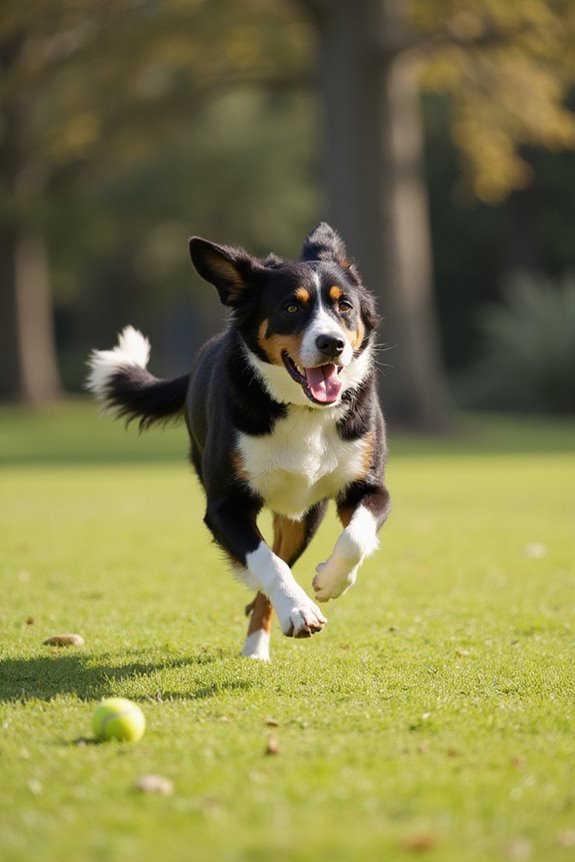
When it comes to ensuring your dog remains healthy and happy, knowing how much exercise they need daily is crucial. Most dogs require 20 to 30 minutes of walking daily if they’re in good body condition. Generally, exercise duration ranges from 15 minutes to over an hour, depending on factors like size and age. To maximize benefits, include activity variation such as aerobic exercises like running or fetch, alongside regular walks.
Here’s a quick overview of recommendations:
- Small, older dogs: 15-30 minutes daily
- Medium-sized dogs: 24-36 minutes daily
- Large, younger breeds: 45-68 minutes or more
Consistent, moderate exercise is essential for overall health and well-being; it nurtures physical and mental stimulation.
Recommended Products

🎅🎁【DOG OUTDOOR EXERCISE TOYS】Are you still looking for a toy for dog training & behavior aids ? Our dog bungee tug toy helps your dog exercise. It is a great toy for Medium to Large Dog to Exercise. The dog tug of war toy makes dogs engage to jump, grab, pull, and swing in the yard and helps your dog easily flex their necks, and strengthen their jaws and neck.

Personalized Design: Unlike Ordinary Black Headbands, Our Unique Headbands Are Fun And Unisex, Incorporating Various Individual Elements For A More Stylish Look That Will Make You Stand Out From The Crowd

🐶【Holds up to 66 lbs.】This Easy-Carry Strap is made of high-density durable polyester material, which is stronger, more durable, and resistant to deformation. Gravity tested up to 30kg/66lbs, this is enough to support an 8-panel FXW dog playpen of different heights, such as 24"H/32"H/40"H/45"H/50"H. Note: This value has been achieved under test conditions, and the actual load-bearing capacity may vary due to the use of Hook & Loop.
The Impact of Age and Health on Exercise Needs
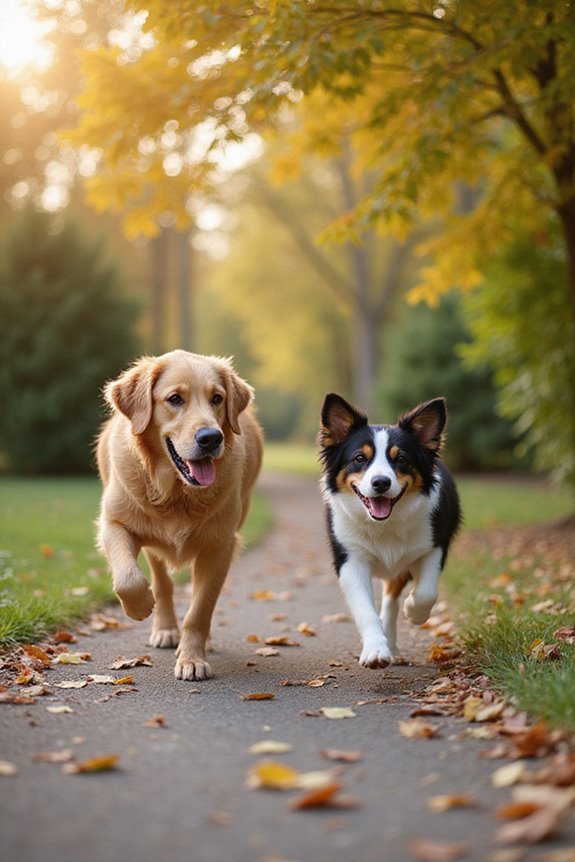
Exercise requirements for dogs aren’t one-size-fits-all; these needs can greatly vary based on age and overall health.
- Puppies: Require short, frequent bursts of exercise, focusing on mental stimulation alongside physical activity.
- Adults: Generally need at least 30 minutes daily, affected by breed and lifestyle.
- Seniors: Benefit from lower-impact exercises like walking, adjusted to their comfort and health status.
Age considerations are vital; as dogs age, their energy levels and stamina decline. Health conditions also play an important role. Dogs with obesity or joint issues require tailored routines to prevent stress. Consulting with a veterinarian is essential for creating a suitable exercise plan, ensuring both safety and enjoyment throughout your dog’s life stages.
Recommended Products

Large Dog Harness - Recommended Breeds: Medium to Large Dogs, such as Siberian Husky, Labrador, German Shepherd, Akita, Chow Chow, Schnauzer Giant,American Pit Bull Terrier, etc. Please measure your dog's neck and check girth carefully before purchasing this present for your puppy. Make your puppy stand out with this Classic Black Harness!

Effective No-Pull Solution: The PetSafe Easy Walk Harness helps create pull-free walks by using a martingale loop design that applies gentle, gradual pressure to reduce lunging
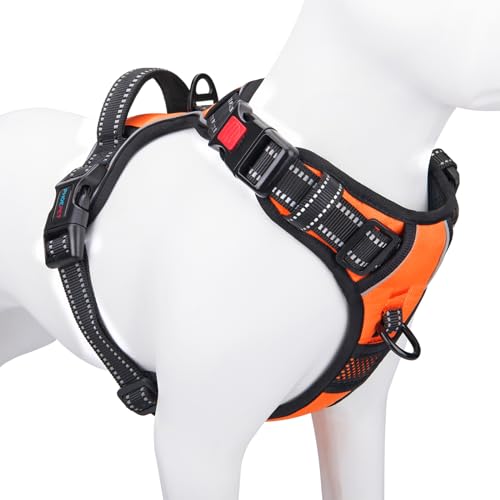
[UPDATED VESION, EASY TO PUT ON & TAKE OFF] This dog harness has 3 buckles( One is on the neck with Lockable, two are on the chest), NO NEED go through dog’s head. This will let your dog loves to wear harness!
The Link Between Owner and Dog Exercise Routines
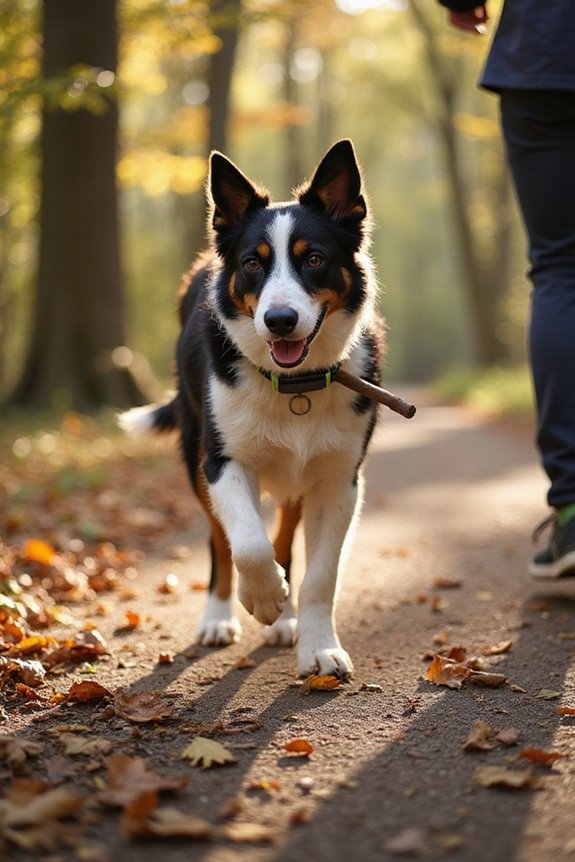
The relationship between an owner’s exercise routine and their dog’s activity levels can greatly impact both pets’ health and well-being. When we engage in regular physical activity, our dogs often mirror those behavior patterns, reflecting our lifestyle influence on their exercise frequency and, ultimately, their fitness. Studies show that owners who exercise vigorously at least four days a week are markedly more likely to perceive their dogs as maintaining an ideal body weight. This emotional bond fosters daily activity; dogs with strong attachments to their owners tend to be more active. Furthermore, higher owner activity correlates with enhanced dog health perception, creating a positive feedback loop that benefits both of us. This connection not only influences our health but shapes our pets’ lives as well.
Recommended Products

Warm & Water Resistant:Soft fleece inner layer traps heat to keep you warm & comfortable, perfect for cold days under 40°F. Water resistant fabric can handle light rain for a short time or keep dry in snow days and provide wind protection.

Durable, yet soft design to last for years

Types of Exercise Suitable for Dogs
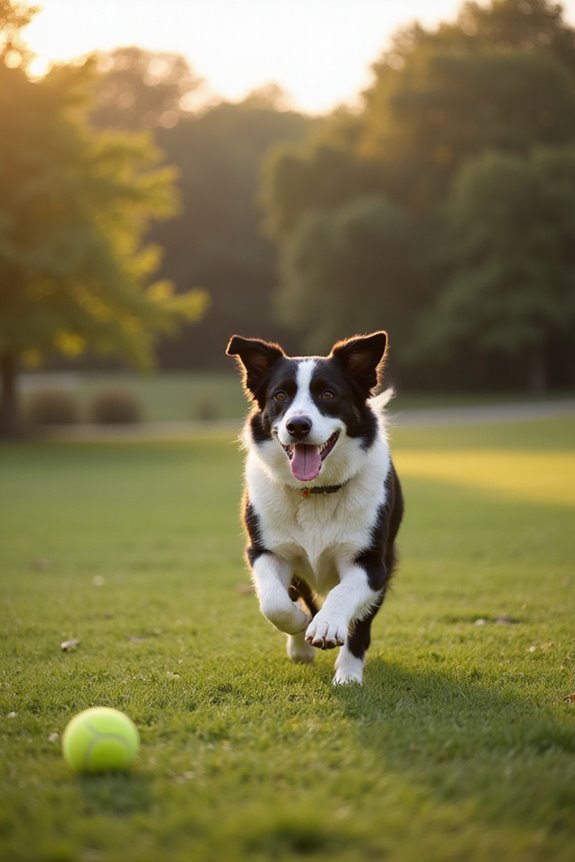
Understanding the various types of exercise suitable for dogs is crucial for maintaining their health and preventing obesity. Here’s a breakdown:
Outdoor Activities:
- Hiking and jogging build cardiovascular endurance.
- Playing fetch provides high-intensity cardio.
Indoor Games:
- Tug of War and indoor fetch offer moderate activities and mental stimulation.
- Obstacle courses enhance agility and coordination.
Water Exercises:
- Swimming is a low-impact option perfect for older dogs.
- Controlled retrieval games build endurance without strain.
High-Intensity Sports:
– Agility training and competitive fetch increase speed and stamina.
Mental Stimulation:
– Puzzle toys and hunting games stimulate the mind while encouraging light movement. Engaging in activities that include interactive features promotes both physical and mental health.
Low-Impact Options:
– Chewing outlets and gentle indoor activities guarantee your dog remains engaged without heavy exertion.
Embracing these exercise types keeps your dog healthy and happy.
Recommended Products

UNIQUE & HEALTH: Running, jumping, playing, and most of exercising for maximum dog agility. Whether training for competition or just for fun, you should own this dog agility equipment kit to build trust with your pets and keep them healthy!

[Durable And Safe New Materials] The fun dog agility equipment kit is made of 190T tear-resistant ABS material, which greatly improves the life of the product;non-toxic, odorless and environmentally friendly materials that can be used with confidence for your pets;dog agility course backyard set durable,lightweight features for easy installation and storage,two complimentary storage bags that can be easily carried to a variety of indoor and outdoor scenes

Build Your Dog's Agility Course: Includes 12 cones & 6 durable rods. Mix and match to create endless training layouts!
Benefits of Regular Exercise for Dogs
Regular physical activity offers numerous benefits for dogs, emphasizing the importance of integrating exercise into their daily routines. Here are some key advantages:
- Health Benefits: Regular exercise helps prevent obesity, maintaining a healthy body weight and reducing risks of diseases such as diabetes and heart disease. Joint health improves with activities that keep them lubricated, essential for seniors or dogs with disorders.
- Behavioral Improvements: Exercise can greatly reduce anxiety and destructive behaviors, providing mental stimulation. It helps create a positive bond between you and your dog, improving emotional well-being.
- Social Adaptation: Engaging in different exercise types prepares your dog for various environmental stresses, making them more adaptable.
Incorporating regular activity is vital for enhancing your dog’s overall health and longevity, particularly when paired with joint health supplements that support mobility and comfort.
Frequently Asked Questions
Can I Exercise My Dog Indoors Effectively?
I love using indoor activities like hide and seek or tug of war with my pup. Interactive exercise toys keep him engaged too, ensuring he gets the fun and stimulation he needs, even indoors.
How Do I Recognize if My Dog Is Over-Exercised?
When I notice my dog showing over-exercise symptoms like panting heavily or limping, I pay close attention to fatigue indicators. These signs reveal when he’s had enough, helping me keep his well-being a priority.
What Are Signs My Dog Enjoys Exercising?
When I see my dog’s tail wagging joyfully, and he engages in playful behavior, I know he enjoys exercising. Those moments of pure happiness are the best indicators that he’s loving our time together.
Should I Consult a Vet Before Starting a New Exercise Routine?
Imagine planting a delicate seed; it needs the right soil and sunshine to thrive. Similarly, I’d consult a vet for tailored exercise guidelines and vet recommendations, ensuring my pup flourishes safely and happily.
How Can I Motivate My Dog to Exercise More?
To motivate my dog, I mix up playtime activities and use reward systems like treats and praise. Keeping things fresh not only excites him but also strengthens our bond through shared fun and joy.