
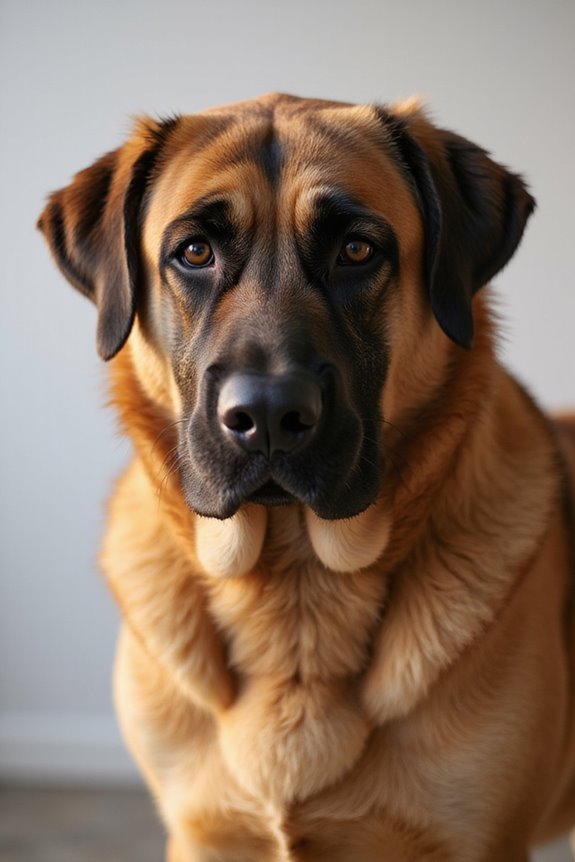

To manage the strength of large dogs, I recommend a structured approach focusing on several key areas. Routine training with consistent commands fosters understanding. Daily physical exercise, scheduling 1 to 2 hours, maintains energy levels and promotes health. I also emphasize physical conditioning for handlers to enhance control. Utilizing appropriate equipment guarantees safe training, while behavior management techniques address distractions effectively. By adhering to these strategies, you can establish a strong foundation for managing a large dog’s strength. Further insights await you.
Key Takeaways
- Establish consistent commands across all family members to prevent confusion and strengthen training effectiveness.
- Schedule 1 to 2 hours of daily physical activity to manage energy levels and promote joint health.
- Utilize positive reinforcement techniques with high-value treats to enhance focus during training sessions.
- Train impulse control behaviors, like “Walk Away,” to effectively manage overexcitement and aggression triggers.
- Incorporate functional muscle conditioning for handlers to improve strength, endurance, and control when managing large dogs.
Training Foundations for Large Dogs
You may be interested

Training large dogs effectively requires a solid foundation built on consistency, structure, and positive reinforcement. Establishing command consistency is crucial; using the same commands across all family members prevents confusion. I recommend creating a daily routine for training sessions, which enhances predictability and strengthens your dog’s understanding of commands.
Positive reinforcement is essential for motivating large dogs. I find that high-value treats, paired with praise and affection, really bolster their focus during training. Start with foundational commands such as “sit” and “stay,” gradually increasing difficulty and distractions. When correcting unwanted behaviors, consistency is key; it extinguishes confusion and encourages desired behaviors. Your dog thrives on this structured environment, fostering a trusting and productive relationship. Incorporating dog training collars can further enhance communication and reinforce positive behaviors during training sessions.
Recommended Products

[4 Effective Training Mode - Recall & Correct Unwanted Dog Behavior] Featuring advanced Safe-Tech with 4 modes: Beep(1-8), Vibration(1-16), Shock(1-99 levels), and Emergency Shock Mode (stimulation for emergency behavior correction), our dog shock collar with remote control lets you customize the intensity and mode for efficient training, whether you're teaching basic commands at home or stopping excessive barking during outdoor walks.

3 training modes and 2 channels. This dog electric collar provides beep, vibration(levels 1-8), and shock(levels 1-16). You can operate 2 collars with the same remote and switch easily between dogs
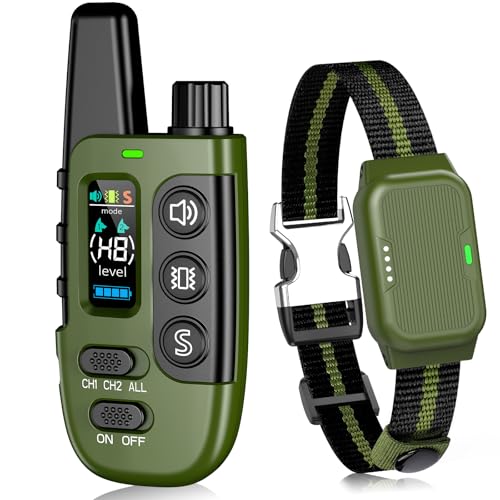
[3 Training Modes & Customizable Intensity]: This dog training collar offers Beep (8 tones), Vibration (1-16 levels), and Safe Static (1-99 levels). Adjust the intensity to match your dog's behavior, providing a tailored and effective training experience.
Physical Exercise and Energy Management
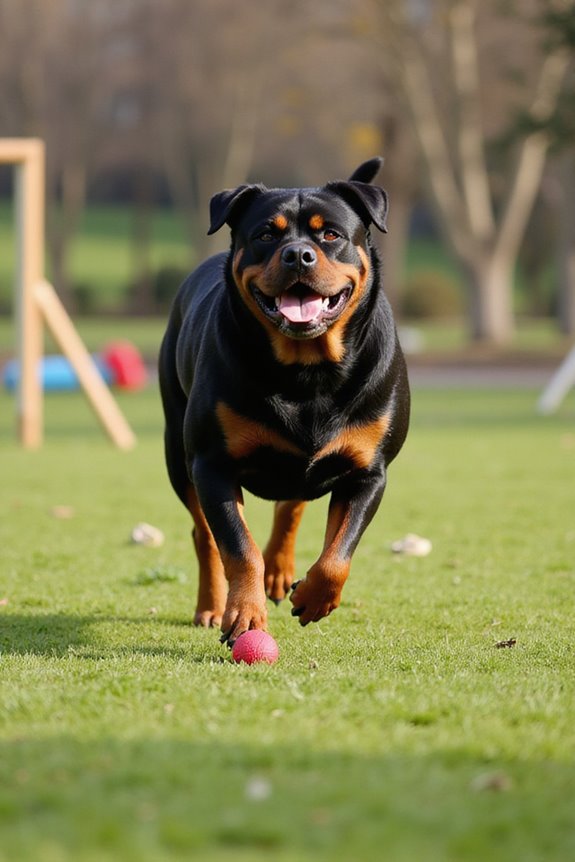
While managing a large dog’s physical exercise and energy levels may seem challenging, establishing a well-structured routine is essential for their overall well-being. Here’s how I approach routine structuring:
1. Recommended Exercise Duration: I schedule 1 to 2 hours of activity each day, varying it based on my dog’s breed, age, and health.
2. Exercise Types:
- Walking: Essential for joint and muscle health; brisk, longer walks are beneficial.
- Running: Suitable if the dog is physically prepared; moderation is key.
- Interactive Play: Activities like fetch provide mental stimulation.
3. Consistency: Regular, varied activities prevent boredom and enhance energy management.
4. Rest Days: Incorporate recovery periods to avoid exhaustion or injury.
Additionally, ensuring your dog is secure during travel is important, as safety features in dog car seats and carriers provide peace of mind during your outings.
Following these guidelines helps maintain my dog’s physical and mental health effectively.
Recommended Products
](https://m.media-amazon.com/images/I/41ji4lsxEIL._SL500_.jpg)
[UPDATED VESION, EASY TO PUT ON & TAKE OFF] This dog harness has 3 buckles( One is on the neck with Lockable, two are on the chest), NO NEED go through dog’s head. This will let your dog loves to wear harness!

Large Dog Harness - Recommended Breeds: Medium to Large Dogs, such as Siberian Husky, Labrador, German Shepherd, Akita, Chow Chow, Schnauzer Giant,American Pit Bull Terrier, etc. Please measure your dog's neck and check girth carefully before purchasing this present for your puppy. Make your puppy stand out with this Classic Black Harness!

【No-Pull & No-Choke Design – Front Clip Redirects Pulling, Triangle Prevents Choking】 – Attach leash to front chest D-ring to gently redirect direction and discourage mild to moderate pulling. Great for daily training and loose-leash walking. Switch to back O-ring for relaxed daily walks. Triangular design spreads force across the chest, helping avoid choking on sudden lunges.
Handler Physical Conditioning
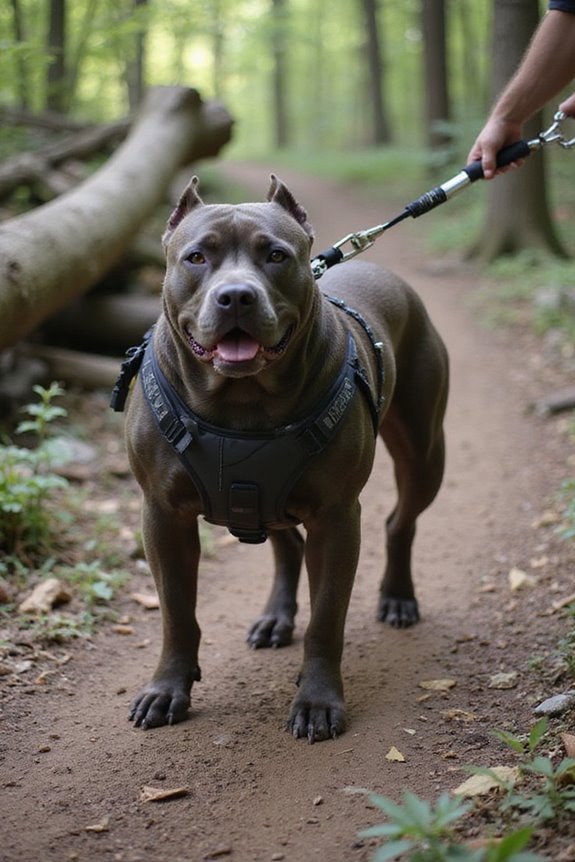
When managing large dogs, it’s imperative to contemplate the handler’s physical conditioning, as this directly impacts the ability to control and engage with a strong canine effectively. Here are key aspects of strength training and conditioning exercises that can enhance your capabilities:
- Focus on Functional Muscle Groups: Prioritize exercises targeting shoulders, arms, back, and core to build relevant strength.
- Use Full Range of Motion: This supports injury prevention and endurance during sudden, intense handling actions.
- Incorporate Cardiovascular Conditioning: Pair strength work with cardio for improved stamina.
- Progressive Overload: Gradually increase weights or repetitions to adapt to high strength demands.
- Engage in Compound Exercises: Incorporate moves like dumbbell presses and bent-over rows for overall upper body strength critical for control and leverage.
Recommended Products

Built for Professional Use – Designed for professional dog trainers and competitive dog sports, these slip leads provide superior control and performance in training environments.

BRITISH-STYLE SNAP LEASH: Braided snap leash perfect for walking, exercise, or field use. These leads are soft on the hands with a “Broken in Feel”. Easy to use and pliable enough to fit in your coat pocket.

SUPER LASTING TEAR RESISTANT: Our 12x3.5x1.9 in tug toy is carefully hand made of Linen to ensure that your dog when having fun secure double stitching on the edges won't allow the stuffing to fall out even after a long period of service
Equipment and Leverage Use
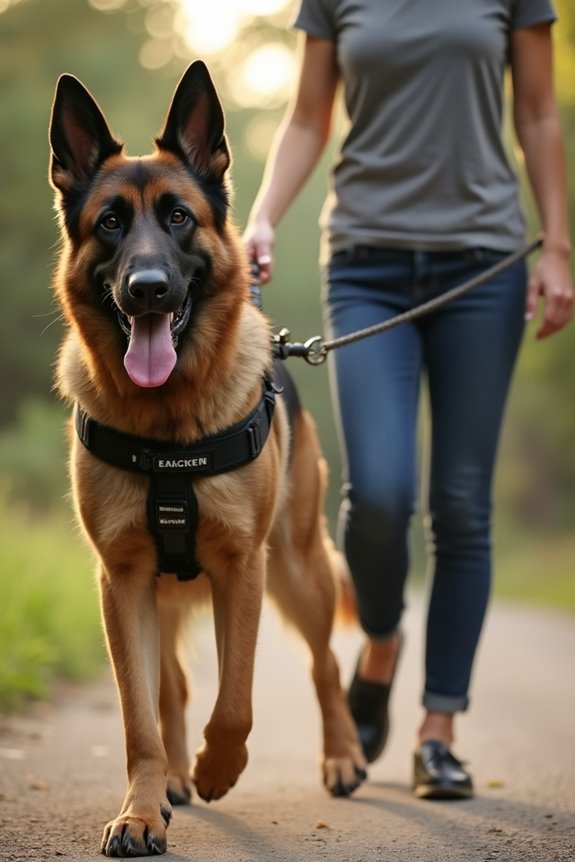
Effective management of large dogs requires the right selection and use of equipment, particularly in addressing their unique strength and balance needs. When I consider equipment selection, I focus on tools that enhance leverage techniques, like the Propel Air Platform and BOSU Ball. Both provide stability and versatility, allowing for progressive training.
I find that stable surfaces are essential for initial training, helping dogs learn proper foot placement. As they gain confidence, I introduce unstable equipment like wobble boards and balance pads, which promote core strength and joint stability. Weight vests and muscle-building balls can also be instrumental in enhancing strength during exercises. Carefully choosing these pieces guarantees my dog’s training is effective and safe.
Recommended Products


IMPROVE CORE STRENGTH & BALANCE – Strengthens and engages multiple core muscles at once to maintain balance during exercises

Dog Exercise Equipment for Indoor & Outdoor Use: This inflatable dog training platform improves your dog's core strength, stability, and coordination – perfect for home gyms, backyards, or anywhere with a flat surface! Take it to the park for a fun outdoor workout or use it in the comfort of your living room on rainy days. Whether you're a professional dog trainer, agility competitor, or simply looking to keep your pup active and healthy, the FitPaws Balance Disc is the perfect dog training & exercise tool. It helps build muscle, improve proprioception (body awareness), and prevent injuries!
Behavior and Distraction Management
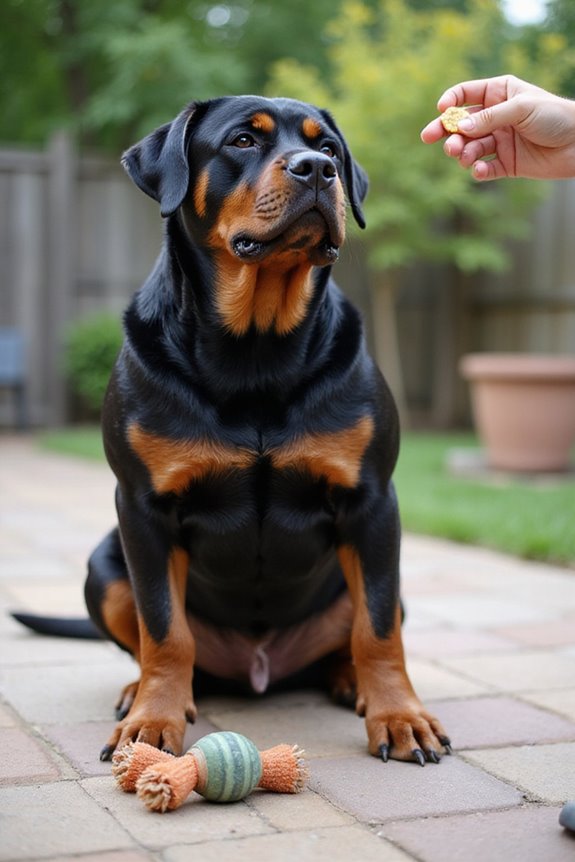
Managing the behavior of large dogs is essential for both their well-being and the safety of those around them, especially in public or social settings. Effective behavior and distraction management involves:
- Trigger Identification: Observe and document stimuli that provoke overexcitement or aggression. Limit exposure to these triggers to reduce risk.
- Impulse Control: Train behaviors like “Walk Away” to help your dog disengage from potential conflicts. Utilize basic commands like “sit” and “stay” to maintain focus.
- Environmental Management: Use barriers to shield your dog from triggers and create safe spaces.
- Structured Boundaries: Reinforce consistent rules across your household. Use positive reinforcement for desired behaviors.
Implementing these strategies can lead to a calmer, well-adjusted dog, enhancing both their quality of life and your interactions with them.
Recommended Products

【Ideal Size 60"x12"】Pet shock mat at ideal size 60"x12" with improved detection efficiency keeps dogs and cats off furniture, countertop, couch, sofa, tables, desk, chair, armchair, door, doorways, door threshold, floor, hallway, bed, stairs, plant, carpet, entertainment center, baby activity area, motorcycle, car, door gate, fireplace mantle, stove, standing, Christmas tree and trash can, more efficiency than most other pet deterrent or repellent, Enjoy better time with your pet friends

cat mat for and works as an effective electronic pet training solution It adopts safe static stimulation to keep pets away from furniture and countertops. rechargeable battery system, it offers 3 adjustable training modes and 3 intensity levels to fit pets of all sizes and temperaments, eliminating frequent battery replacements, guiding pets to stay out of restricted areas and keeping your home scratch-free

SAFE DRIVING: This durable pet barrier attaches to the back of car front seats to prevent pets from launching into the front seats during sudden stop and to keep pets staying at the backseat without distracting the driver to ensure the safety for the driver, passengers and pets.
Frequently Asked Questions
What Are the Best Breeds for First-Time Large Dog Owners?
When I adopted my Great Dane, I discovered they’re gentle giants perfect for first-time owners. With effective training tips and their loving nature, I found managing this beautiful dog a rewarding, heartwarming experience.
How Can I Socialize My Large Dog Safely?
Socializing my large dog safely involves using positive reinforcement in controlled environments. I find gradual introductions to new experiences work best, rewarding calm behavior lets him feel secure and builds his confidence around others.
What to Do if My Large Dog Is Aggressive?
If my large dog shows aggression, I often reflect on what might trigger it. By implementing effective training techniques and learning to identify specific triggers, I can create a safer, calmer environment for both of us.
How Can Weather Affect My Large Dog’s Behavior?
I’ve noticed that temperature sensitivity and seasonal changes really affect my large dog’s behavior. Hot days make him restless, while chilly weather often leads to cozy cuddle sessions. I try to adapt our activities accordingly!
What Should I Do During a Dog Park Visit?
Did you know that 70% of dog park incidents stem from poor leash management? When visiting, I always follow dog park etiquette, keeping my pup leashed initially, and observing interactions closely to guarantee everyone’s comfort and safety.
