


Senior dogs should see the vet at least twice a year to monitor their health effectively. This frequency helps detect age-related issues early, such as arthritis and diabetes. Key health indicators like increased thirst, weight loss, or changes in appetite may require immediate attention. Regular evaluations, including blood tests and musculoskeletal assessments, are essential for maintaining their well-being. It’s important to understand that individual factors can influence the specific care each senior dog requires. Exploring these factors can enhance your dog’s health management.
Key Takeaways
- Senior dogs should have veterinary check-ups at least twice a year to monitor their health status and catch potential issues early.
- If you notice increased thirst or urination, schedule a vet visit for potential kidney or diabetes concerns.
- Immediate veterinary attention is needed for persistent vomiting, diarrhea, or any lameness lasting more than three days.
- Changes in appetite or weight loss, despite normal eating habits, warrant a sooner appointment with your veterinarian.
- Larger breeds may require more frequent visits compared to smaller breeds, especially as they age or develop specific health concerns.
Recommended Frequency of Veterinary Visits for Senior Dogs
You may be interested

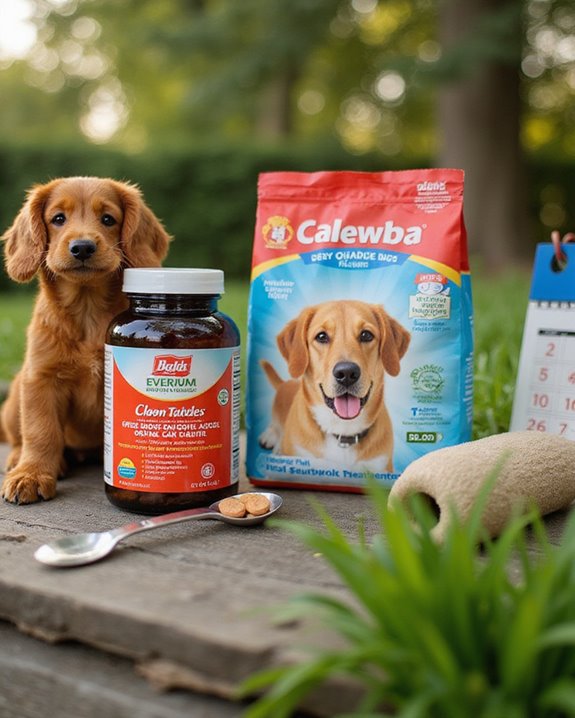

When it comes to the recommended frequency of veterinary visits for senior dogs, regular check-ups are crucial to maintain their health and wellbeing. I’ve learned that having my senior dog seen at least twice a year allows for thorough evaluations of their heart, lungs, and joints. During these visits, important tests are conducted to monitor kidney and liver function, as well as diabetes.
Preventative care, including senior dog vaccinations and dental check-ups, is essential to catch early signs of disease. Evaluating nutrition and behavior can help address any cognitive decline and adjust diets as needed. Additionally, discussing senior dog supplements during these visits can provide insight into enhancing their overall health. By adhering to this schedule, we can improve the quality of life for our aging companions and guarantee they receive the necessary care throughout their golden years.
Recommended Products

Joint Health Supplement for Dogs - Cosequin is the #1 vet recommended retail joint health supplement brand▼, supporting joint health in dogs for over 25 years.

Joint Health Supplement for Dogs: Cosequin is the #1 vet recommended retail joint health supplement brand, supporting joint health in dogs for over 25 years

Joint Health Supplement for Dogs - Cosequin is the #1 vet recommended retail joint health supplement brand▼, supporting joint health in dogs for over 25 years.
Key Health Indicators Necessitating Immediate Veterinary Attention

Recognizing the key health indicators that necessitate immediate veterinary attention can be essential for your senior dog’s wellbeing, as timely action can prevent more serious health complications. It’s vital to monitor for specific health symptoms that indicate an urgent need for care, including:
- Increased water consumption or urination, signaling potential kidney or diabetes issues.
- Repeated vomiting or persistent diarrhea extending beyond three days.
- Lameness lasting over three days, or sudden non-weight bearing lameness.
- Any noticeable changes in appetite or weight loss despite normal eating.
- Difficulties with breathing, excessive panting, or unexplained collapse.
If any of these signs appear, don’t hesitate to seek urgent care, as early intervention can often lead to effective management of underlying conditions.
Essential Evaluations Conducted During Veterinary Visits
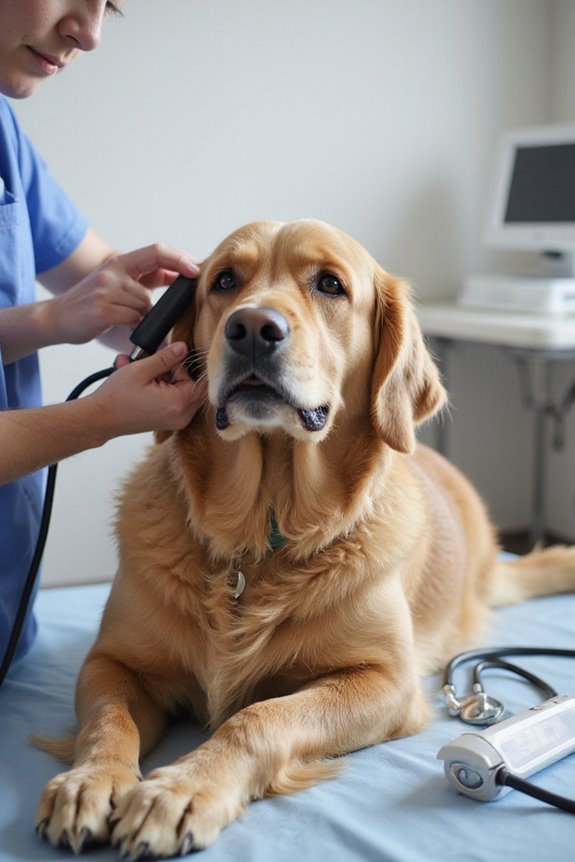
Veterinary visits for senior dogs are essential for maintaining their health and longevity, as these appointments allow for a thorough evaluation of their overall wellbeing. During these visits, essential physical exams are conducted, including:
- Comprehensive Physical Exam: Measures blood pressure and assesses oral health.
- Musculoskeletal Evaluation: Focuses on joints and pain levels.
- Full Neurologic Exam: Identifies neurological issues.
Laboratory tests are equally important. A Complete Blood Count (CBC) checks blood health, while a biochemistry profile assesses liver and kidney function. Urinalysis evaluates kidney health and can detect urinary tract issues. Additionally, thyroid hormone testing checks for common disorders in senior dogs. Regular, thorough evaluations help catch potential health problems early, ensuring your beloved companion maintains a good quality of life.
Recommended Products

SHIPMENT CONTAINS: 1 resealable bag of 120 hip & joint bite-sized chews for dogs with duck flavor

Enhanced Senior Formula: This joint supplement for dogs&horses is perfect for seniors, offering increased glucosamine and hyaluronic acid to promote your pet's active lifestyle and smooth movements. Our formula is a top choice among senior dog supplements

Health Supplement for Dogs: VetIQ hip and joint chews for dogs are soft and a great way to support mobility, whether they love running, jumping, playing, or resting; They suit senior pets or those who need extra support staying active & comfortable
Benefits of Regular Veterinary Check-ups for Senior Dogs
Regular veterinary check-ups form the backbone of maintaining health and well-being in senior dogs. These visits guarantee essential preventive measures are in place for early detection of age-related diseases like arthritis and diabetes. By monitoring health consistently, we can recognize subtle changes in weight, mobility, and behavior that might indicate serious issues.
Through preventive blood work and urine tests, we can uncover internal problems that aren’t immediately visible. Additionally, routine assessments enhance our ability to manage chronic conditions effectively, allowing for timely interventions that improve quality of life. Vets also provide invaluable insights into personalized wellness plans, addressing dietary needs, exercise adjustments, and updates on vaccinations. Ultimately, regular vet visits are key for both health monitoring and guaranteeing our furry companions live comfortably and happily.
Recommended Products

Joint Health Support for Senior Dogs: Dasuquin, the #1 veterinarian recommended joint health supplement brand, contains avocado/soybean unsaponifiables (ASU), glucosamine hydrochloride, and sodium chondroitin sulfate that work better together to support joint health in dogs

Joint Health Supplement for Dogs - Cosequin is the #1 vet recommended retail joint health supplement brand▼, supporting joint health in dogs for over 25 years.

Joint Health Supplement for Dogs: Cosequin is the #1 vet recommended retail joint health supplement brand, supporting joint health in dogs for over 25 years
Considerations for Personalized Senior Dog Veterinary Care
When considering the unique needs of senior dogs, it’s essential to tailor veterinary care according to individual factors such as breed, size, and health history. Individualized care helps guarantee that each dog receives the right level of health monitoring suited to their specific needs.
- Breed and Size: Larger breeds often require biannual visits earlier than smaller breeds due to accelerated aging.
- Health History: Each dog’s past health challenges dictate a unique care plan, influencing how often they should visit the vet.
- Symptom-Based Check-Ups: Signs like joint pain or cognitive changes can necessitate more frequent visits.
Ultimately, through regular assessments tailored specifically for your dog, you can support their health, longevity, and overall quality of life more effectively.
Recommended Products

Vet Recommended Joint Health Supplement for Dogs: More veterinarians recommend Dasuquin than any other brand, making it the #1 veterinarian recommended joint health...
Frequently Asked Questions
How Do I Choose the Right Veterinarian for My Senior Dog?
Choosing the right vet for my senior dog means prioritizing experience in geriatrics and a supportive clinic environment. I look for compassion, tailored care services, and open communication to guarantee my dog’s well-being.
Can I Conduct Home Health Checks Between Veterinary Visits?
Think of home health checks as a gentle lighthouse guiding you through the stormy seas of health monitoring. I regularly conduct these checkups to catch signs early, ensuring my beloved companion’s well-being between vet visits.
Are There Any Vaccines Specifically Needed for Senior Dogs?
I’ve learned senior vaccinations are essential, and a tailored vaccine schedule considers my dog’s health and lifestyle. Regular vet assessments help guarantee she gets the right shots, balancing protection with her well-being.
What Dietary Changes Should I Consider for My Aging Dog?
When considering my aging dog’s nutrition, I focus on senior nutrition with lower calories and high-quality protein. I also look into dietary supplements, like omega-3s, to support her joint health and overall well-being.
How Can I Help My Dog Feel Comfortable During Vet Visits?
Ah, vet visits! The ultimate stress fest for us both. I’ve found calming techniques, like bringing their favorite toy and speaking softly, truly help ease that vet anxiety. It’s a small world; let’s make it comfy!