
When choosing an outdoor dog fence, consider your dog’s size, behavior, and escape tendencies. Fences like chain link or wood offer durability and visibility, while vinyl provides low maintenance. Confirm the fence height matches your dog’s jumping ability; taller options are better for energetic breeds. Evaluate the material’s durability, and consider factors like local regulations and security features, such as dig prevention methods. For a thorough understanding, I’ll share more insights on specifics that can enhance your decision.
Key Takeaways
- Assess your dog’s size and behavior to determine the appropriate fence height and design needed for effective containment.
- Consider the type of material for durability and maintenance; options include chain link, wood, vinyl, and composite fences.
- Evaluate your dog’s escape tendencies and choose features like dig prevention and physical barriers to enhance security.
- Be aware of local regulations regarding fence height to ensure compliance and effectiveness in containing your pet.
- Factor in your lifestyle and preferences, balancing aesthetics with functionality when selecting an outdoor dog fence.
Understanding Different Types of Outdoor Dog Fences
You may be interested
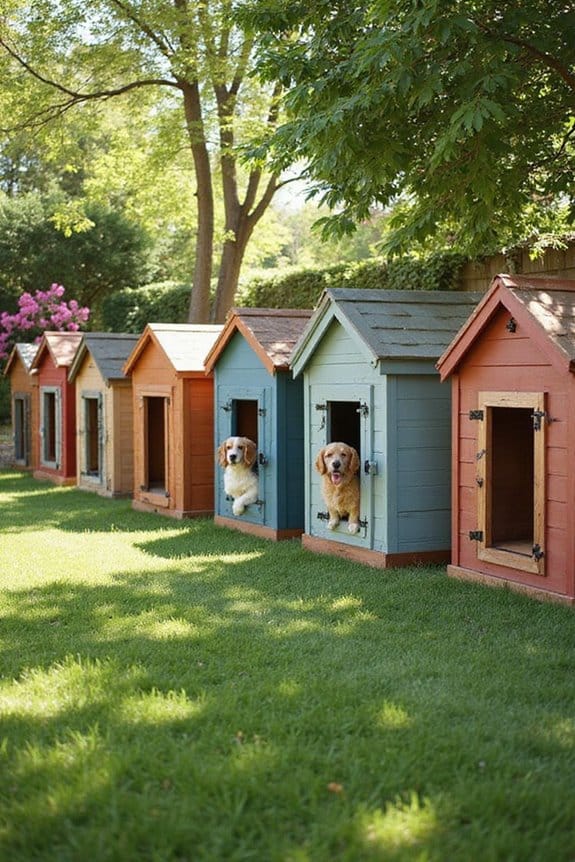


When selecting an outdoor dog fence, it’s essential to understand the various types available, as each option offers distinct advantages and disadvantages.
- Chain Link Fences:
- Great durability and weather resistance.
- High fence visibility but limited privacy. Some agile dogs can climb.
- Solid boards provide privacy and security, but require maintenance.
- Dogs may chew through, reducing effectiveness.
- Low maintenance and durable, offering privacy similar to wood.
- Aesthetic benefits with no physical structure, but training is essential for effectiveness.
- Dog Size: Larger breeds need fences of at least 6 feet to prevent jumping, while smaller breeds can be contained with 3 to 4-foot fences.
- Breed Behavior: High-energy dogs, like Australian Shepherds, require reinforced fences to deter jumping and climbing.
- Escape Tendencies: Research specific breed behaviors; some dogs may dig under or squeeze through fence openings.
- Height Considerations: Verify the fence is tall enough based on your dog’s physical abilities, not just their size.
- Aluminum Fences: Extremely durable, resistant to chewing, and require minimal upkeep due to their powder coating.
- Vinyl Fences: Chew-proof and weather-resistant, needing little maintenance—just occasional cleaning.
- Wood Fences: Aesthetically pleasing but prone to rot and damage, demanding regular maintenance like staining and sealing.
- Chain Link Fences: Affordable and durable, generally low maintenance but may need rust prevention treatment.
- Composite Fences: Offer moderate durability and lower maintenance than wood, although quality varies.
Each type has its own installation methods and long-term considerations. Weighing these factors helps in making an informed choice that aligns with your outdoor space and your dog’s behavior.
Recommended Products

Package Content: You will get a metal gate chain, measuring about 51cm / 20.08inch long and 3mm / 0.12inch thick. Equipped with two spring buckles for locking.

Upgrade iCover Privacy Screen For Fence: Our privacy screen is made of heavy-duty knitted net, measuring 4 ft high by 50 ft long. It is suitable for fences with a height of 4 ft or slightly higher. Please accurately measure your fence before purchase

Premium Quality: The UPGRADE privacy screen for fences is made from 170 GSM non-recycled High-Density Polyethylene (HDPE). This ensures lasting durability, reliable privacy protection, and excellent weather resistance. A high-density composition makes it a dependable solution for outdoor privacy needs.
Assessing Your Dog’s Size and Behavior
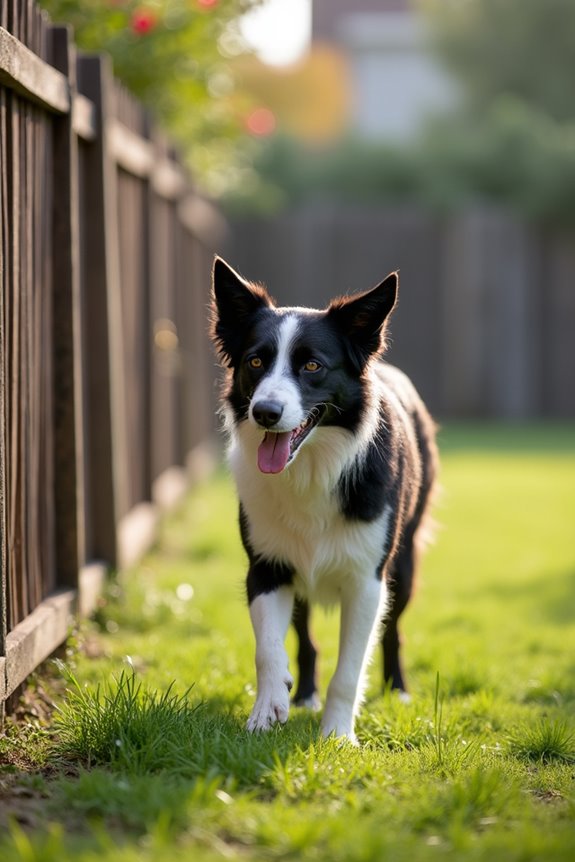
Evaluating your dog’s size and behavior is essential for selecting the right outdoor fence, since these factors directly influence both the type and height of the enclosure needed for effective containment.
Choosing the appropriate fence height and design can greatly enhance your dog’s safety and containment.
Evaluating Material Durability and Maintenance
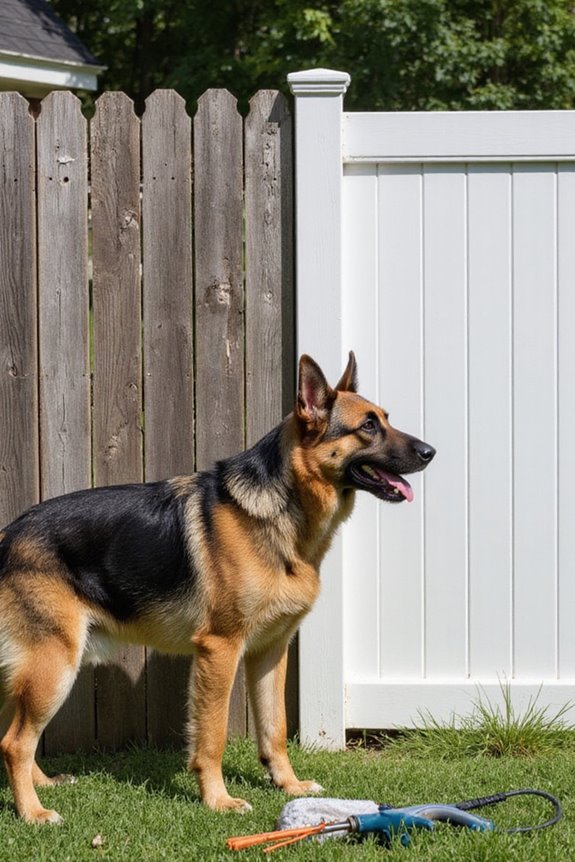
Selecting the right material for your outdoor dog fence is essential for ensuring durability and minimizing maintenance needs over time. When evaluating options, consider their material longevity and maintenance frequency:
Recommended Products

【HIGH VISIBILITY DAY & NIGHT】Highly reflective Beware of Dog sign with a durable outer layer that reflects light and features UV protection, ensuring clear visibility day and night in any weather conditions, Easily seen by visitors, delivery drivers, and strangers before entering your property

1.【HIGHLY VISIBLE IN ANY WEATHER】: the outer layer of our Beware of the Dog sign is made of highly reflective film material, the pattern, text and background color can reflect the light, with reflective and UV protection, to ensure that it can be highly visible in any weather conditions.

Clear and Visible Message: 8 x 12 inch keep off grass signs for yard printed on one side with bold lettering; easy to read from a distance and suitable for residential or public outdoor areas
Factors Influencing Fence Height and Structure
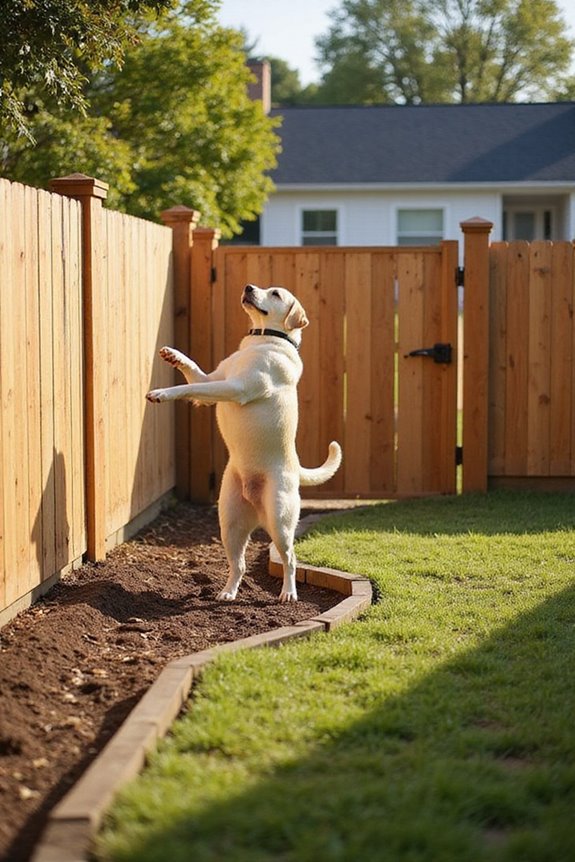
Choosing the appropriate height and structure for your outdoor dog fence is essential for maintaining containment and ensuring safety. Several factors impact your decision:
- Dog Size and Breed
- Small dogs: 3-4 feet recommended.
- Medium dogs: 5 feet ideal.
- Large breeds (Boxers, Huskies): Minimum of 6 feet; consider 8 feet for exceptional jumpers.
- Energetic dogs often require taller, sturdier fences.
- Escape-prone breeds need both height and secure structures.
- Be mindful of local regulations; heights may vary within urban settings. Additionally, the minimum height of 40 inches is ideal for larger breeds to prevent escapes effectively.
Recommended Products

🐶 【Pet Safety Space】Our dog fence is 40" high, consisting of 16 fences with two gates,which can be built into a 100"×100"square field or other various shapes of fields. There is enough space for small/medium/large dogs to play. The height of 40"H is sufficient for safety,provide them with sufficient living and playing space.


【Anti-Rust Coatings Material】Kfvigoho puppy playpen made of heavy-duty metal, sturdy and durable, steel wire smooth and solid, pet dogs couldn't damage or chew it, anti-corrosion coatings and rust-proof process helps panels works well outdoor and extend its life, the indoor and outdoor dog pen great for people with dogs
Security Features to Prevent Escapes
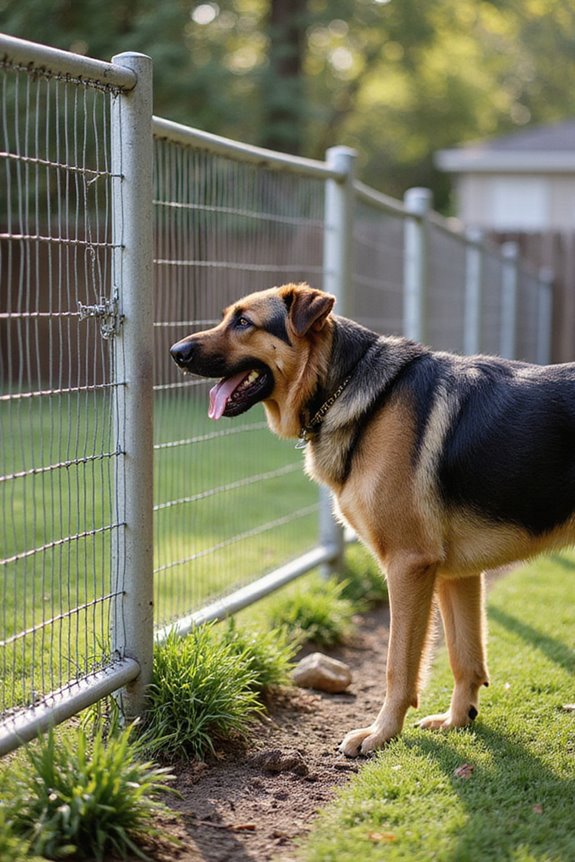
When addressing the containment needs for your dog, security features play a pivotal role in preventing escapes. To enhance escape prevention, consider the following deterrent strategies:
- Physical Barriers:
- Increase fence height and install coyote rollers.
- Create rotating barriers using fence crowns or rollers.
- Cover gaps at the top to eliminate climbing opportunities.
- Use privacy screens or opaque materials to block outside views.
- Incorporate sound or vibration collars for boundary alerts.
- Bury the fence bottom or add concrete footer barriers.
- Incorporate gravel at the base to deter digging.
- Employ GPS or electric fences for additional alert systems.
Recommended Products


2-Pack Heavy-Duty Metal Construction - This set includes two complete roller and bracket kits, each built with a 1.5" stainless steel roller and galvanized mild steel axle. Durable, rust-resistant, and designed for long-term use on trailers, fences, or custom conveyor systems.
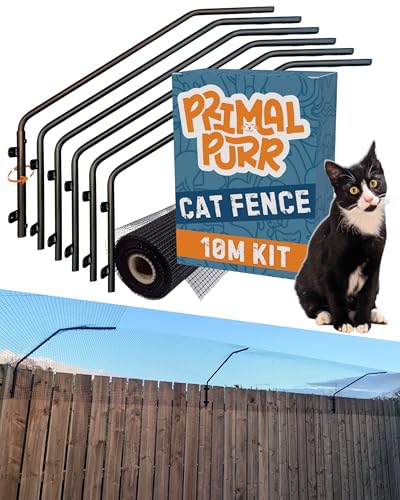
PRIMAL INSTINCT - Keep your pets safe while embracing their primal instincts! Our cat fence topper and outdoor barrier blends seamlessly with your existing fence, keeping cats and other animals contained for worry-free outdoor fun.
Impact of Fencing on Dog Behavior
Understanding the impact of fencing on dog behavior is essential if you want to guarantee your dog thrives in its environment.
A fenced yard offers numerous benefits, such as a safe area for dogs to run and play. However, relying solely on yard access can lead to less structured exercise. Without regular walks, dogs may face increased obesity risk.
Additionally, while fenced yards provide enrichment opportunities, limited space can lead to boredom or undesirable behaviors. Invisible fences present unique challenges; dogs may experience confusion and fear if they don’t grasp the boundaries.
To optimize behavior, engage with your dog actively. Training is vital, as it fosters a respectful relationship that balances freedom and safety while addressing potential frustrations related to different fencing types.
Balancing Cost and Aesthetic Preferences
Selecting the right outdoor dog fence involves not only understanding its impact on behavior but also evaluating costs and aesthetic preferences. When considering cost effectiveness, I find options like chain link fences can be budget-friendly but lack aesthetic appeal. Wood provides a charming, natural look but requires maintenance, balancing its moderate costs with upkeep demands. Vinyl and aluminum fences, while pricier, offer minimal maintenance and stylish designs that may align with my aesthetic goals. Invisible dog fences excel in unobtrusiveness but prioritize less visible barriers. Ultimately, it’s about harmonizing my financial constraints with my desire for a visually pleasing environment, ensuring the fence complements my home while keeping my dog secure.
Installation Considerations for Your Fencing Choice
Installing an outdoor dog fence requires careful planning and execution to guarantee its effectiveness and durability. I’ve learned that proper installation techniques are vital. First, plan your fence layout to form a complete loop, considering your property size and your dog’s roaming area. Before digging, identify utility lines and mark boundaries with flags.
Consider electrical aspects, too. The transmitter needs to be placed in a dry area, while the wire should be buried to prevent signal interference from metal objects or pipes. Use twisted-wire connections to maintain signal strength and avoid shorts. Testing the collar before burying the wire is essential, as any faults could disable the system. Follow these steps carefully to create a reliable, safe environment for your dog.
Recommended Products

🎖️ 10 Waterproof Wire Connectors (Splices) for installation or repair of any wired electric dog fence system (Invisible Fence, SportDog, Perimeter Technologies, and ALL others)

DIMENSIONS: Gate with wings is 51-3/8in wide, gate opening is 36in wide; please give these measurements special consideration prior to ordering

Durable Material: Made of high-quality stainless-coated iron poles, it is strong. 220 gsm high-density polyethylene fabric is not easy to fade and deform, which can protect privacy, reduce UV rays, and resist weather effects
Frequently Asked Questions
How Do I Train My Dog to Respect the Fence Boundaries?
Training my dog to respect fence boundaries involves consistent boundary training and positive reinforcement. I start with a leash, use clear cues, and reward good behavior, slowly letting them learn and respect their limits. It’s rewarding!
Can I Install a Fence Myself, or Should I Hire Professionals?
I remember the thrill of my first DIY installation, but honestly, it’s a gamble. While I could save money, professional services guarantee safety and efficiency—something I value when it comes to my furry friend’s space.
What Are the Best Fence Colors for Visibility and Aesthetics?
When I consider color psychology, I find bright hues like white or yellow not only enhance visibility but also create aesthetic harmony in my yard. It’s about balancing safety and beauty for everyone, including my dog.
How Do Seasonal Changes Affect Outdoor Dog Fences?
I’ve noticed seasonal changes really affect outdoor dog fences. Temperature effects on the ground can challenge durability, while harsh winters and heavy rains can disrupt signals, so I always check the system to guarantee my pup’s safety.
Are There Any Local Regulations Regarding Outdoor Dog Fences?
I’ve learned that local zoning regulations can greatly affect your outdoor dog fence, especially concerning fence height and materials. Always check with local authorities to guarantee you’re compliant and avoid any unnecessary hassle down the road.